
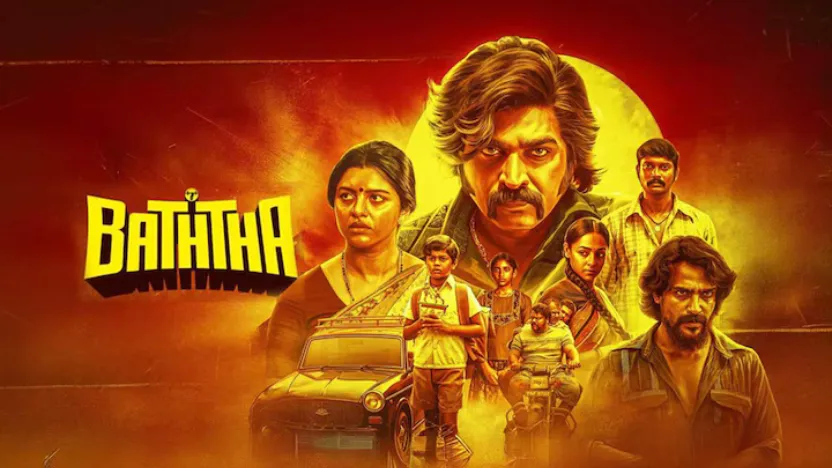
What happens when a feared gangster finds himself at the mercy of a little boy?
That is the intriguing premise behind Baththa, directed by Balaji Tharaneetharan and starring Vijay Sethupathi. While the film brings together an unlikely pair, its story goes beyond the relationship between a gangster and a child. Beneath its humour and unusual circumstances lies a thoughtful exploration of kindness, fear, forgiveness and the possibility of change.
From learning to apologise understanding the consequences of revenge, here are five life lessons that make Baththa a film worth adding to your watchlist.
1. Never underestimate the power of kindness
At the centre of Baththa is Sabari, a young boy played by Sai Prithviraj, whose unexpected connection with the feared gangster Baththa becomes one of the film's most meaningful elements.
Despite knowing Baththa's intimidating reputation, Sabari gradually finds the courage to help him. Even while Baththa remains trapped in the bathroom, Sabari continues bringing him food.
What makes this gesture touching is its simplicity. Sabari does not need to deliver a grand speech or make a dramatic promise. His small, consistent acts of kindness are enough to begin changing the situation.
The film reminds us that people are often more complicated than the image they present to the world. Someone who appears frightening or unapproachable may also carry pain, insecurity and vulnerability that others rarely get to see.
Kindness does not excuse someone's wrongdoing, nor does it guarantee that they will change. But sometimes, a simple act of compassion can create an opportunity for someone to reflect on their behaviour.
In a world where people are often quick to judge, Sabari's actions remind us that kindness can make a difference in ways we may never fully realise.
2. Being strong does not mean hiding your vulnerable side
Baththa has built his identity around being a feared gangster. In front of his men, he maintains the image of someone who must always appear powerful and in control.
Yet, as the story unfolds, viewers begin to see another side of him.
His interactions with his wife, Kannima, and Sabari reveal a more vulnerable man who is capable of recognising his mistakes and reconsidering his behaviour. Away from the expectations of his gang, Baththa begins to let his guard down.
Vijay Sethupathi's portrayal brings out this internal conflict, showing the difference between the intimidating image Baththa projects and the person, he is beneath it.
Sometimes, real strength means being honest about our mistakes, acknowledging our insecurities and allowing the people we trust to see us as we truly are.
We do not have to maintain a tough exterior all the time. Being vulnerable does not make us weak; it gives us the opportunity to build more honest and meaningful relationships.
3. Saying sorry can be the beginning of making things right
One of the film's more memorable lessons comes when Baththa begins recognising the consequences of his past behaviour and decides to apologise to people he has wronged.
The situation is presented with the film's characteristic dry humour, creating moments that are amusing while carrying a deeper message.
For someone who has spent years relying on intimidation and violence, admitting fault is no small step. Baththa must confront the possibility that his actions have caused lasting hurt, rather than simply treating his enemies as people who deserve punishment.
An apology cannot erase the past, and saying sorry does not automatically mean that someone deserves forgiveness. Genuine accountability requires acknowledging the harm caused and trying to do better.
But apologising can still be an important first step towards making peace with us and others. Sometimes, the hardest words to say are also the ones that allow us to begin moving forward.
4. Everyone has fears and insecurities, even those who seem fearless
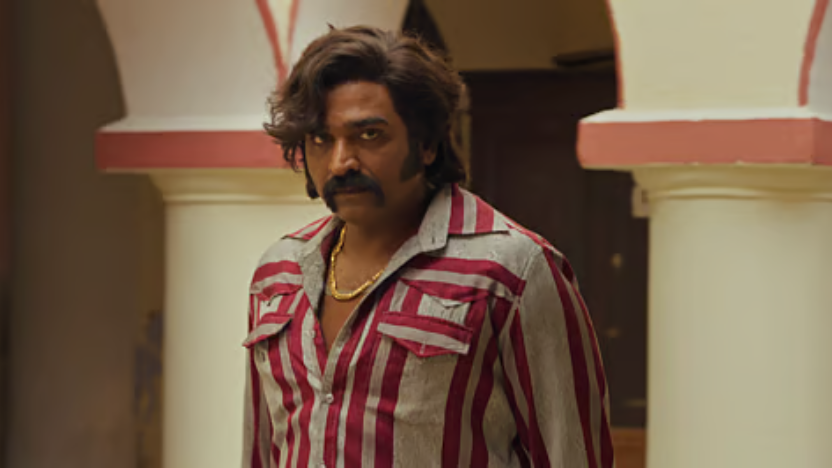
Despite his fearsome reputation, Baththa is not without his own insecurities.
The film reveals that his childhood experiences, particularly the humiliation he experienced over his singing, have left a lasting impact on him. His decision to retreat to an isolated bathroom reflects a vulnerability that contrasts sharply with the image he presents to the outside world.
Sabari, too, has his own fears. Having heard stories about Baththa and witnessed the gangster's violence, the boy struggles with the idea of letting him go. Meanwhile, Kannima worries about her husband's disappearance despite the hurt she has endured in their relationship. These different experiences show how fear can affect people in ways that are not always immediately obvious.
Someone may appear confident while privately struggling with insecurity. Another person may remain in a difficult situation because their fears and emotions are more complicated than outsiders realise.
Understanding someone's fear does not mean excusing the harm they cause. Rather, it reminds us that people are complex, and that recognising their vulnerabilities can help us understand their actions without overlooking their consequences.
5. Revenge may feel satisfying, but breaking the cycle takes greater courage
At its heart, Baththa explores a familiar idea: responding to every hurt with another act of revenge can keep a cycle of violence going.
One of the film's defining moments comes when Sabari's father, played by Hari Krishnan, refuses to blame someone for hurting him, even after Baththa retaliates against that person on the boy and his parent's behalf.
His response forces Baththa to confront a different way of looking at the world. For a man accustomed to using violence to settle scores, the decision not to seek revenge challenges everything he believes about strength and justice.
The moment reflects the principle often associated with Mahatma Gandhi: answering harm with more harm does not necessarily bring peace. It is easy to believe that making someone suffer in return will settle the score. But revenge can prolong conflict, deepen resentment and leave everyone involved carrying more hurt.
Choosing not to retaliate does not mean accepting injustice or refusing to stand up for ourselves. It means recognising that we can respond to wrongdoing without allowing anger to dictate every decision. Sometimes, the bravest thing we can do is refuse to continue a cycle that has already caused enough pain.
So, why Baththa is worth watching?
What makes Baththa interesting is the way it explores these lessons through an unusual relationship rather than relying on lengthy speeches about morality.
Through Baththa, Sabari and the people around them, the film examines what happens when fear gives way to understanding, when pride makes room for accountability and when a person begins to question the choices that have shaped their life.
It also acknowledges that change is not always simple or immediate. Kindness does not erase wrongdoing, apologies do not guarantee forgiveness, and understanding someone's struggles does not mean ignoring the pain they have caused.
Instead, the film invites viewers to think about the choices people make and the possibility of doing better.
For anyone looking for a film that combines humour, emotion and meaningful reflections on human behaviour, Baththa offers plenty to think about beyond its gangster storyline.
Sometimes, the most important lessons come from the most unexpected people. And sometimes, a story about a feared gangster and a little boy can remind us of something we all need to hear: no matter how far we have strayed, taking responsibility for our actions is always a more meaningful step than continuing to run from them.
Source : cinemaexpress
Image Credit : district.in
You may be interested in

Indian Wedding Forehead Netti Pattam & Hand Wrist Pattam Gold Plated Traditional Bridal Ceremony Set

Ethnic Retro Corful Peacock Jhumka Earrings Womens Indian Jewelry Flower Gold Bell Tassel White Pearl Earrings

Royal Heritage Embroidered Anarkali Gown for Women | Premium Festive Wear by RANGOLI BAZAAR

Bollywood Style 1 Pair Of Earrings + 1 Necklace Vintage Jewelry Set Retro Design Inlaid Gemstone Match Daily Outfits Party Accessories