


The concept of the Ashtabhairavas occupies an important place in Shaivite traditions of Hinduism. The Ashtabhairavas are regarded as eight powerful manifestations of Shiva, each guarding one of the eight cardinal directions. These fierce forms symbolize Shiva’s protective and transformative energy, believed to destroy evil forces while safeguarding cosmic order and dharma.
According to the Shiva Purana, the origin of Bhairava is linked to a cosmic dispute between Brahma and Vishnu over supremacy in creation. When Brahma spoke arrogantly and questioned Shiva’s authority, Shiva manifested in his fierce form as Kala Bhairava.
In a symbolic act meant to destroy ego and arrogance, Bhairava severed one of Brahma’s five heads. However, this act resulted in the sin known as Brahmahatya. To restore cosmic balance and purify this act, Shiva manifested eight powerful forms known as the Ashtabhairavas, each assigned to protect a direction of the universe.
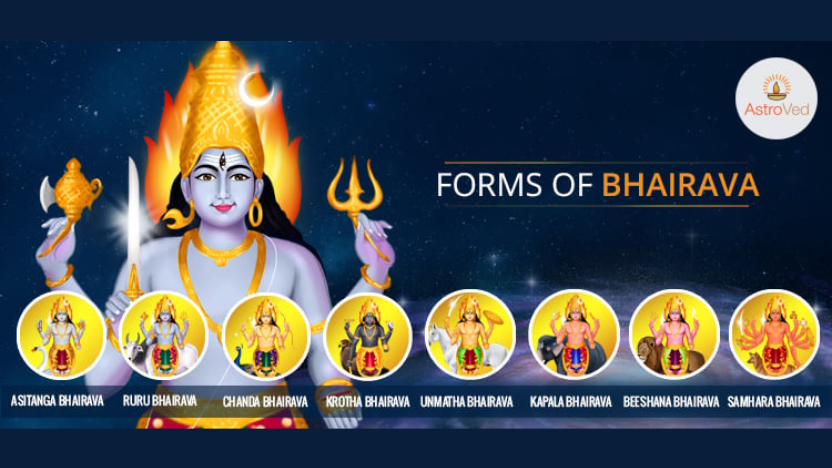
The eight forms of Ashtabhairava and their symbolism include:
- Asitanga Bhairava – Represents creative power and spiritual discipline. Associated with the beginning of creation and sustaining harmony.
- Ruru Bhairava – Symbolises wisdom, knowledge, and artistic expression that guides devotees toward enlightenment.
- Chanda Bhairava – Worshipped for courage and victory over enemies, both internal and external.
- Krodha Bhairava – Represents righteous anger used to destroy negative forces and protect righteousness.
- Unmatta Bhairava – Symbolises divine ecstasy and the spiritual bliss attained through devotion and meditation.
- Kapala Bhairava – Known as the guardian of sacred rituals, representing discipline and purity in worship.
- Bheeshana Bhairava – Embodies fearlessness and strength to overcome life’s challenges.
- Samhara Bhairava – Represents the ultimate destruction of ignorance and negativity, guiding devotees toward moksha.
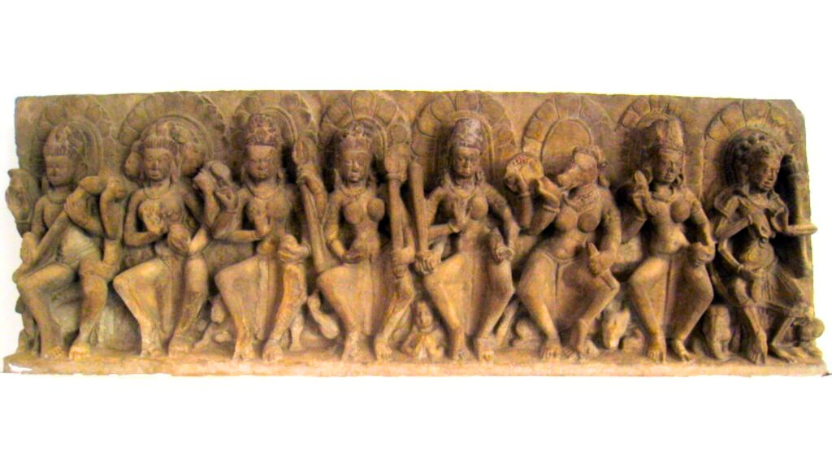
Each of the Bhairavas is also associated with a divine feminine counterpart known as the Ashta Matrikas. These goddesses represent the Shakti energy that complements the power of Shiva.
The eight Matrikas include:
- Brahmi – Associated with wisdom, knowledge, and creative power.
- Maheshwari – Represents authority, protection, and divine strength.
- Kaumari – Symbolises youthful energy, courage, and valor.
- Vaishnavi – Associated with preservation, prosperity, and protection of dharma.
- Varahi – Represents nourishment, courage, and protective energy
- Indrani – Symbolises leadership, power, and authority.
- Chamundi – Embodies fierce energy that destroys evil forces.
- Chandika – Represents transformative power that destroys ignorance and grants liberation.
Worship of the Ashtabhairavas is believed to be highly powerful and spiritually beneficial. Devotees often perform prayers during significant occasions such as:
- Kala Bhairava Jayanti – Celebrated on the eighth day of the waning moon in the Hindu month of Margashirsha.
- Ashtami Tithi – The eighth lunar day in both waxing and waning phases is considered auspicious for Bhairava worship.
- Daily Worship – Offerings such as black sesame seeds, mustard oil lamps, flowers, and recitation of sacred hymns like Bhairava Ashtakam are commonly practiced.
Devotees believe that sincere worship of the Ashtabhairavas brings several spiritual and material blessings, including:
- Protection from negative energies and evil influences
- Removal of obstacles and challenges in life
- Spiritual growth and self-realisation
- Courage and fearlessness
- Prosperity and success
- Good health and longevity
- Liberation (moksha) from the cycle of birth and death
Through these eight powerful forms, Lord Shiva is revered not only as the destroyer of evil but also as the guardian who guides devotees toward spiritual awakening and liberation.
Source : thestonestudio.in , OM TAT SAT