
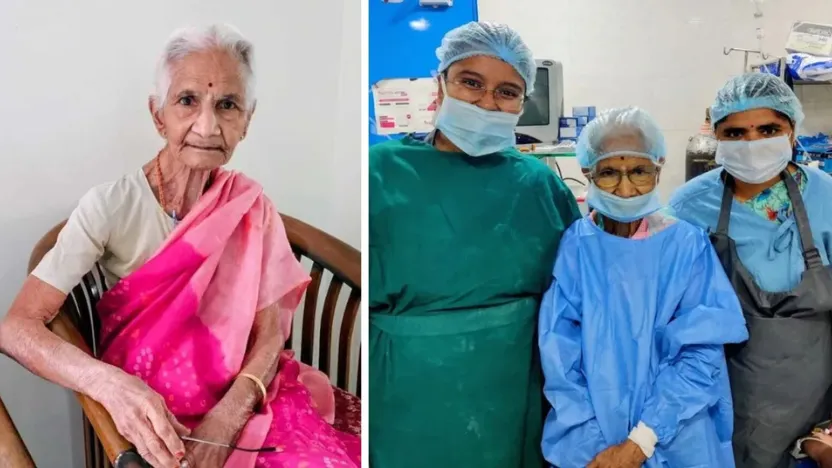
Imagine being one of the 200,000 babies welcomed into the world by the same doctor. You may never remember her face, but the care she provided helped shape the very beginning of your life.
For Dr Suri Srimathi, 92, bringing new life into the world has been more than a career. It has been a lifelong calling that has spanned six decades, witnessed generations of change and touched countless families across India.
Even at an age when many would have long stepped away from their profession, Dr Suri continues to see patients and assist with medical care, approaching her work with the same dedication that has defined her remarkable journey.
Her story is not just about the thousands of babies she has delivered. It is also about the women she has cared for, the lives she has fought to save and the extraordinary changes she has witnessed in maternal healthcare.
Dr Suri's journey into medicine was not without challenges. At a time when women pursuing medical careers faced social disapproval, her decision to become a doctor was met with resistance, even from members of her extended family. But her determination was shaped by something deeply personal.
When she was young, her brother and sister became seriously ill with smallpox. Although medical treatment helped save them, the experience left a lasting impression on her and inspired her to pursue medicine.
Her parents supported her decision, even as they faced criticism from society and a social boycott by relatives who disapproved of their daughter studying medicine. One of the objections was that medical students had to handle cadavers as part of their training.
What some people considered unacceptable never stopped Dr Suri from pursuing her dream. In fact, she later recalled how some of those same relatives who had criticised her family began boasting about her achievements once she became a doctor. Looking back, her journey is a reminder that sometimes, the decisions that change our lives begin with the courage to challenge what others expect of us.
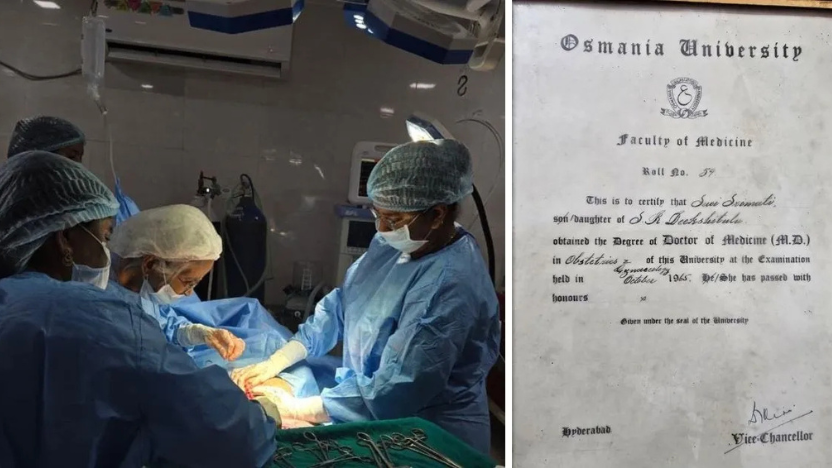
Dr Suri still remembers her first independent delivery in 1959 at a district government hospital in Sangareddy, Telangana. The patient was a girl of around 15 who needed a caesarean section. Medical facilities were far less advanced than they are today, and doctors often had to take on multiple responsibilities with limited resources.
“I was the anesthesiologist, the gynecologist and the pediatrician,” she recalled.
It was a very different world from modern hospitals, where teams of specialists can work together to care for mothers and newborns. Over the decades, Dr Suri has witnessed significant advances in medical technology, diagnostic tools and surgical care. Yet, one thing has remained unchanged: the joy she feels when a baby is safely delivered.
Her career has also brought her into contact with the difficult realities faced by women, particularly during her early years in medicine, when teenage pregnancies and child marriages were far more common. She remembers caring for young mothers and witnessing couples having very large families, including one couple for whom she performed their 13th delivery.
Each delivery, however, remains different, and each mother and baby deserves individual care. After a 35-year career across several hospitals and medical institutions in Telangana, Dr Suri retired from her institutional work but did not completely leave the profession behind.
In 1999, she started a clinic at her home to continue consulting pregnant women in her neighbourhood. She does not perform deliveries or surgeries there. Instead, she provides consultations and refers expectant mothers to nearby nursing homes when hospital care is needed.
Her days still begin early, with yoga sessions at home before she starts reviewing patient updates and planning her work. For Dr Suri, retirement did not mean turning away from the people who needed her. It meant finding another way to continue serving them.
Her dedication has also influenced the doctors she taught. One of her former students, Dr Rajani Kumari, remembered her as an exceptionally compassionate teacher who would spend entire nights attending to patients.
She also praised Dr Suri's surgical precision and meticulous approach, qualities that helped shape the next generation of medical professionals. In this way, her legacy extends beyond the babies she has delivered. It lives on in the doctors she has trained and the patients they continue to care for.
Despite her many years of experience, Dr Suri acknowledges that losing a mother or baby never becomes easy. The bond between a doctor and an expectant mother often grows over months of consultations, making every loss deeply personal.
She recalls a couple who travelled around 12 kilometres by bullock cart to reach a hospital in Telangana's Nizamabad. Delays during the journey and delivery resulted in the loss of both the mother and baby.
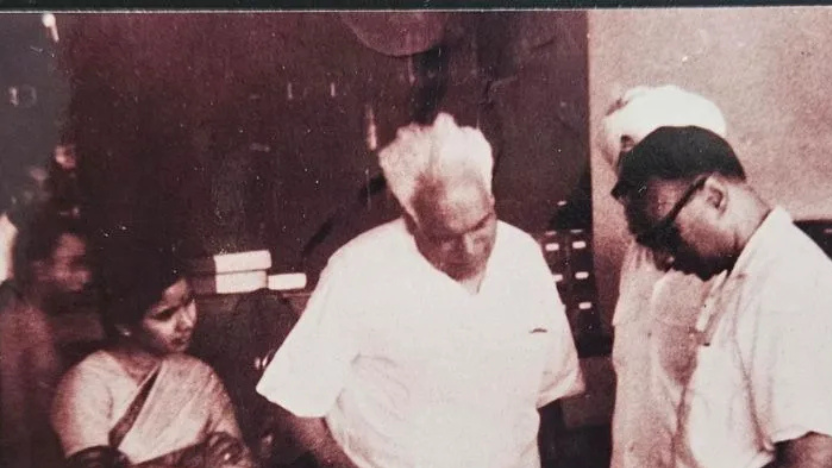
Over the years, improvements in maternal and infant healthcare have helped reduce preventable deaths in India. Dr Suri also recognises the important role played by frontline health workers, including ASHA workers and Auxiliary Nurse Midwives, who connect rural families with essential healthcare services.
While progress has been made, she understands that there is still much work to be done to ensure every woman receives the care she needs.
Medicine has changed dramatically since Dr Suri began her career. Technology has advanced, diagnostic methods have improved and medical teams have become better equipped to manage complex pregnancies and deliveries.
Yet, for a doctor who has spent much of her life caring for mothers and babies, the purpose of her work remains remarkably simple. It is about helping mothers return home safely with their babies. It is about giving families the chance to welcome a new member into their lives. And it is about ensuring that every patient receives care with compassion and dignity.
Source / Image Credit : dailygood.org , thebetterindia
You may be interested in
Royal Heritage Embroidered Anarkali Gown for Women | Premium Festive Wear by RANGOLI BAZAAR

Ready stock lotus design indian saree
Ethnic Retro Corful Peacock Jhumka Earrings Womens Indian Jewelry Flower Gold Bell Tassel White Pearl Earrings
Bollywood Style 1 Pair Of Earrings + 1 Necklace Vintage Jewelry Set Retro Design Inlaid Gemstone Match Daily Outfits Party Accessories