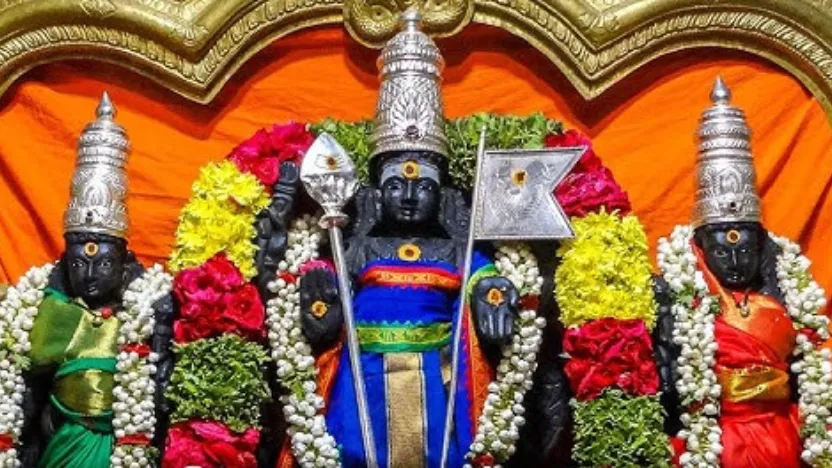
Karthigai is considered an important day for devotees of Lord Murugan, and many believe that observing the Karthigai Viratham with devotion can help fulfil heartfelt prayers and bring blessings into their lives.
According to tradition, Lord Murugan and His Vel are deeply connected, making Vel worship especially significant on days dedicated to Murugan. Devotees may also keep a small Vel at home and worship it as part of their spiritual practice.
But what makes Karthigai Nakshatram so special, and how should devotees observe the viratham? Here’s everything you need to know.
According to Hindu tradition, Lord Murugan emerged from six divine sparks that came from Lord Shiva’s third eye. The six babies were cared for and raised by the six Karthigai women. To honour the six women who nurtured Murugan, Lord Shiva is believed to have blessed them with a special significance. Murugan came to be known as Karthikeya, and Karthigai Nakshatram became an important day for devotees to worship Him.
It is traditionally believed that those who observe a fast and worship Lord Murugan on Karthigai will be blessed with prosperity and relief from difficulties.
What is Karthigai Viratham?
Karthigai Viratham, also known as Karthika Viratham, is a devotional fast dedicated to Lord Murugan. Those who wish to observe the viratham continuously are traditionally encouraged to begin with Aadi Karthigai and continue the practice for six months, concluding with Thai Karthigai.
Why is Karthigai considered an important day for Murugan devotees?
Although Karthigai Nakshatram is associated with Lord Murugan throughout the year, three Karthigai days are particularly significant - Aadi Karthigai, Karthigai during the Tamil month of Karthigai, and Thai Karthigai. Karthigai in the month of Karthigai is celebrated as Thirukarthigai, while Aadi Karthigai and Thai Karthigai are traditionally observed as important fasting days.
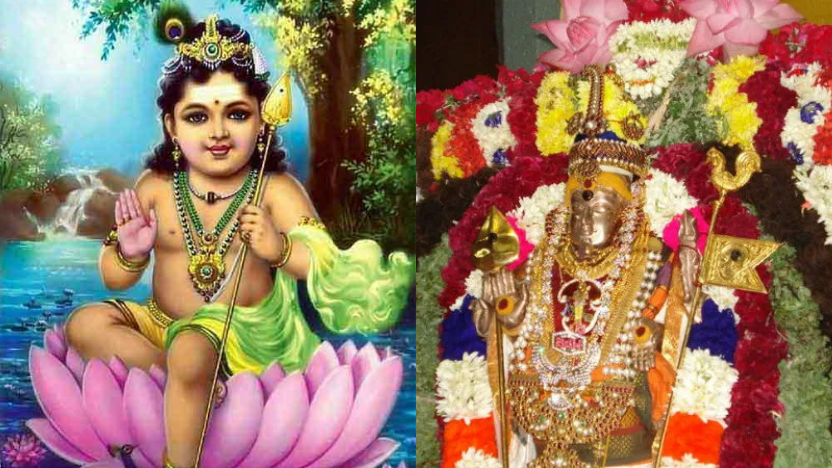
How to observe Karthigai Viratham?
Devotees can begin the day by waking up early, taking a bath and offering prayers to Lord Murugan.
- Clean the prayer area and place an image or idol of Lord Murugan.
- Offer flowers and light a lamp.
- Those who are able to may observe a full fast from morning until evening.
- Those who cannot fast completely may choose to consume simple foods such as milk, fruits or porridge, according to their ability.
- Recite devotional prayers such as the Kanda Sashti Kavacham or Shanmuga Kavacham.
- In the evening, light a lamp and offer neivedyam to Lord Murugan before performing the pooja.
- Devotees may also visit a nearby Murugan temple and participate in abhishekam, archanai and other prayers.
- Offering food such as curd rice or lemon rice to those in need outside temples is also traditionally considered a meaningful act of charity.
What should you offer as neivedyam?
Traditionally, devotees may offer six varieties of neivedyam, perform archana with six types of flowers and conduct six forms of worship. For those who prefer a simpler offering, sakkarai pongal may be offered as neivedyam.
What are they believed benefits of Karthigai Viratham?
According to the traditional beliefs shared in the source, devotees who sincerely observe Karthigai Viratham and worship Lord Murugan may receive blessings including:
- Relief from marriage-related obstacles associated with Sevvai Dosham
- Resolution of property, land and housing-related difficulties
- Blessings for childbirth
- Relief from debts and financial difficulties
- Improved relationships between siblings
- Greater prosperity and wellbeing
- Opportunities for career growth and higher positions
- A loving and well-mannered life partner
- Blessings of good children
- Long life and a fulfilling life
- Fulfilment of heartfelt wishes
These are traditional spiritual beliefs associated with the observance and should not be understood as guaranteed outcomes.
Who can observe Karthigai Viratham?
According to tradition, devotees facing marriage-related obstacles, those seeking blessings for children, those praying for career advancement or those simply wishing to deepen their devotion to Lord Murugan may observe the viratham.
Devotees who are unable to observe a complete fast may instead consume milk, fruits or porridge. The focus is on devotion and sincere prayer rather than simply going without food.
When should the Karthigai pooja be performed?
The main worship is traditionally performed in the evening after lighting the lamp. Devotees can offer flowers and neivedyam, recite Murugan prayers and perform archana before concluding the day's worship.
What is the connection between Bharani and Karthigai?
One interesting tradition mentioned is that Karthigai Viratham may begin on the Bharani Nakshatram that precedes Karthigai.
Devotees following this practice stop eating after their daytime meal on Bharani and continue the fast until the evening pooja on Karthigai, when the viratham is concluded. For those who follow the tradition of staying awake at night, Murugan mantras may also be recited before performing prayers again the following morning.
For Murugan devotees, the Vel holds a special place in worship. Since Murugan and His Vel are traditionally regarded as inseparable symbols, worshipping the Vel on Tuesdays, Karthigai days and Sashti is considered especially auspicious.
Devotees may keep a Vel made from metals such as silver, copper or brass at home and include it in their prayers. Ultimately, Karthigai Viratham is more than simply a fast. For devotees, it is a time to pause, pray with faith and seek Lord Murugan’s blessings with a sincere heart.
From the story of the six Karthigai women to the significance of the Vel and the traditional benefits associated with the viratham, there is much more to this sacred day than many may realise.
Source / Image Credit : Samayam Tamil , Times Of India , Maalaimalar , youtube , Hindu Blog , oneindia.
You may be interested in
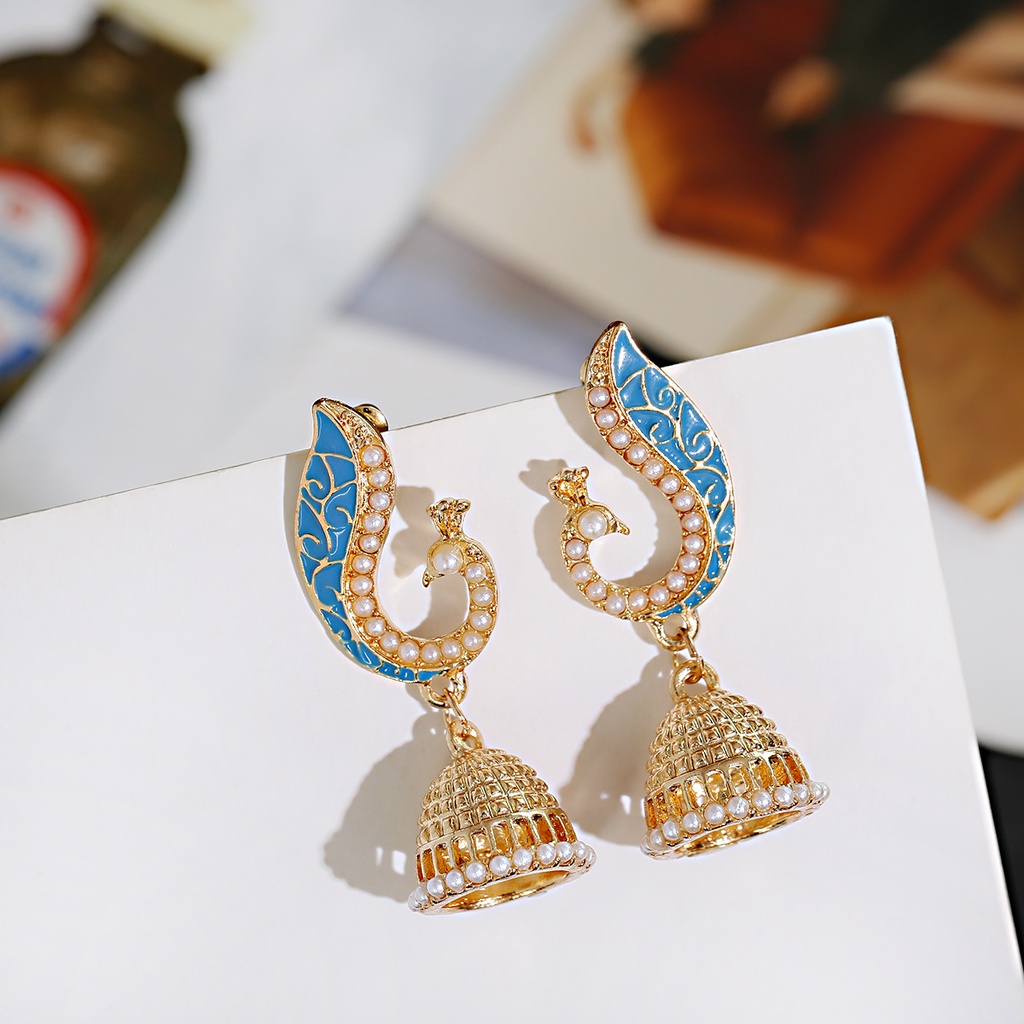
Ethnic Retro Corful Peacock Jhumka Earrings Womens Indian Jewelry Flower Gold Bell Tassel White Pearl Earrings
Ready stock lotus design indian saree
Bollywood Style 1 Pair Of Earrings + 1 Necklace Vintage Jewelry Set Retro Design Inlaid Gemstone Match Daily Outfits Party Accessories

Indian Wedding Forehead Netti Pattam & Hand Wrist Pattam Gold Plated Traditional Bridal Ceremony Set