

When we think of Lord Ganesha worship, one offering that immediately comes to mind is kozhukattai.
During Vinayagar Chaturthi and other occasions dedicated to Lord Ganesha, devotees prepare different varieties of kozhukattai and modakam as offerings. But have you ever wondered why this simple dish became so closely associated with Lord Ganesha?
Behind the tradition is a spiritual story that speaks about devotion, transformation and surrender. While the story itself may be understood as a traditional belief, its deeper message is what continues to give the offering meaning.
According to the traditional story, Gnanapali was a king and a devoted worshipper of Lord Ganesha. Although he was known for his devotion and ruled his kingdom well, a severe famine once struck the land. He tried various ways to protect his people, but when the situation continued, he began performing a Rudra Yagna on the advice of his Rajaguru.
During the ritual, however, Gnanapali became distracted by his attraction towards Menakai, who happened to pass by the place where the yagna was being performed. He abandoned the ritual midway and followed her.
Later, when he returned, his Rajaguru warned him that stopping the yagna halfway could bring serious consequences.
According to the story, Gnanapali was subsequently cursed by the Ashtadhika Balas and transformed into a fierce, one-eyed demon. Consumed by an insatiable hunger, he began attacking and devouring living beings, becoming a threat to everyone around him. Yet, he never stopped worshipping Ganesha. Despite his transformation and cruel actions, Gnanapali continued to worship Lord Ganesha, whom he had remained devoted to.
His growing threat eventually became impossible for even the gods to ignore. Bhooma Devi is said to have prayed to Lord Ganesha to protect the people and living beings from him. Ganesha then decided to confront his devotee. Taking the form of a hunter, Ganesha appeared before Gnanapali. A long battle followed, but Gnanapali was unable to defeat the mysterious hunter.
Eventually, he realised that the hunter was none other than Lord Ganesha himself. Overwhelmed, Gnanapali surrendered and begged Ganesha for forgiveness and salvation. He also pleaded with the deity to keep him close rather than abandon him.
What did Ganesha do?
According to the story, Ganesha did not simply destroy his devotee. Instead, he chose to accept Gnanapali and fulfil his wish to remain close to him. At the same time, Gnanapali's enormous hunger needed to be satisfied. Ganesha is said to have transformed him into a lump and swallowed him. In this form, Gnanapali came to rest within Ganesha's stomach.
The story says that Gnanapali was overjoyed to have received this blessing and to remain with the deity he had worshipped.
So, where does kozhukattai come in?
According to this belief, Lord Ganesha instructed the gods and people to prepare kozhukattai as an offering to satisfy Gnanapali's hunger. From then on, devotees began making kozhukattai as an offering during Ganesha worship.
This is why the dish is traditionally associated with Lord Ganesha, not merely as a favourite food, but as part of a deeper spiritual story about devotion and surrender.
Beyond the story itself, the tradition carries a philosophical message. Kozhukattai has a simple outer covering with a sweet filling inside. In the spiritual interpretation, it represents the human body and the soul within it.
The offering symbolises surrendering ourselves to the divine. The idea is simple: just as the kozhukattai is offered completely to Ganesha, devotees symbolically offer their body, mind and soul to God.
For many devotees, therefore, making kozhukattai is not simply a culinary tradition. It becomes an act of devotion and a reminder to surrender one's ego, worries and desires to the divine. And that is why the humble kozhukattai holds such a special place in Ganesha worship.
Source / Image Credit : Tamil Samayam , traditionallymodernfood
You may be interested in

Indian Wedding Forehead Netti Pattam & Hand Wrist Pattam Gold Plated Traditional Bridal Ceremony Set
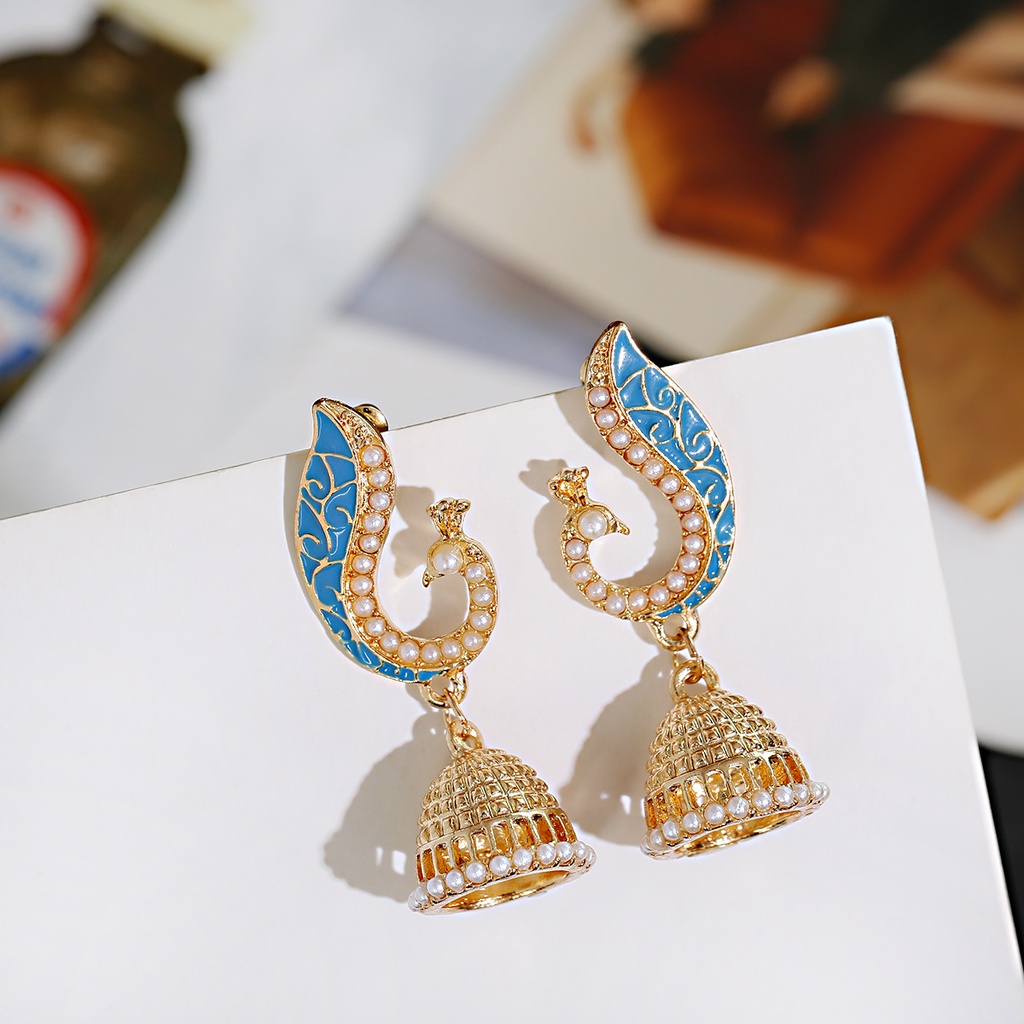
Ethnic Retro Corful Peacock Jhumka Earrings Womens Indian Jewelry Flower Gold Bell Tassel White Pearl Earrings

Ready stock lotus design indian saree
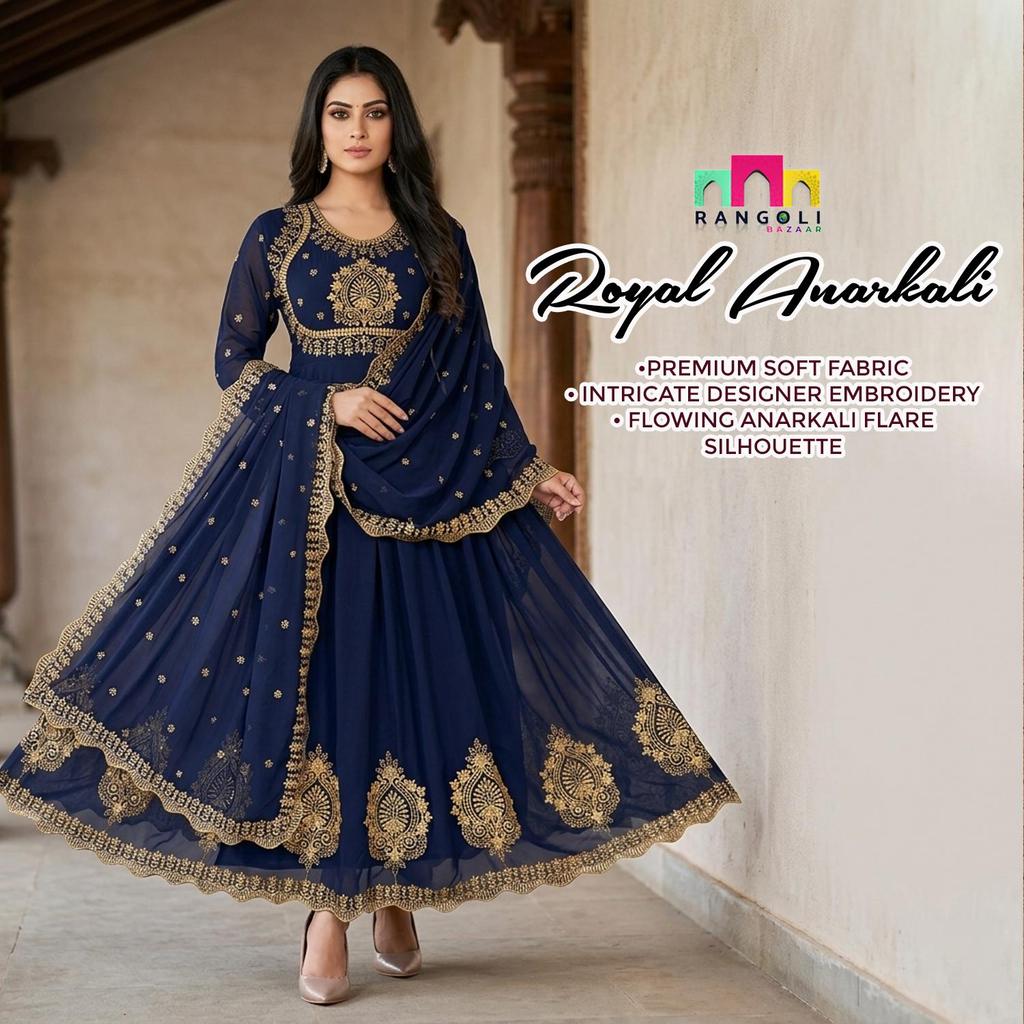
Royal Heritage Embroidered Anarkali Gown for Women | Premium Festive Wear by RANGOLI BAZAAR