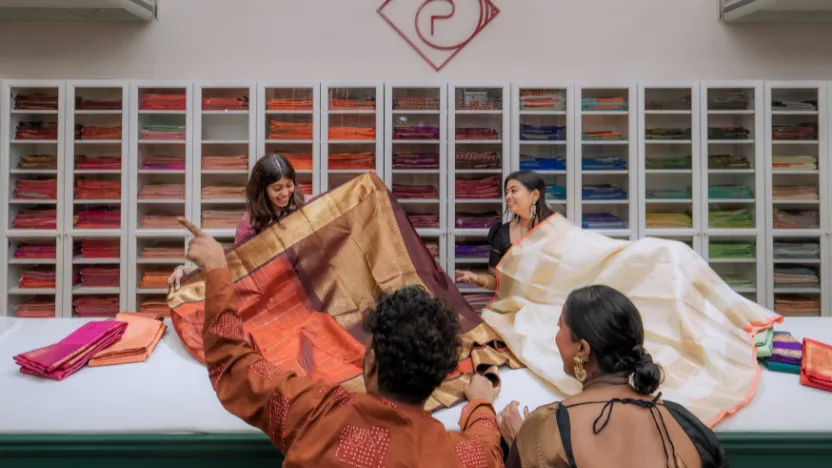
Scroll through TikTok on any given evening and you'll find sarees everywhere, draped in seconds, sold within the same breath, priced low enough to feel almost disposable. It's a retail phenomenon built for speed. But according to the sisters behind Malaysian heritage boutique Pattushastra, speed was never really the point of a saree in the first place and that's precisely why authentic handloom has never needed to compete on TikTok's terms to remain relevant.
"Today, inexpensive semi-silks, art silks and powerloom sarees command a much larger market than authentic handloom weaves," says Suvitha Rajasingam, who co-founded Pattushastra with her sister Jeevitha in 2012. It's a market shift she describes plainly, without alarm because for a craft built on generations of skill, market noise has never been the thing that determines whether it survives.
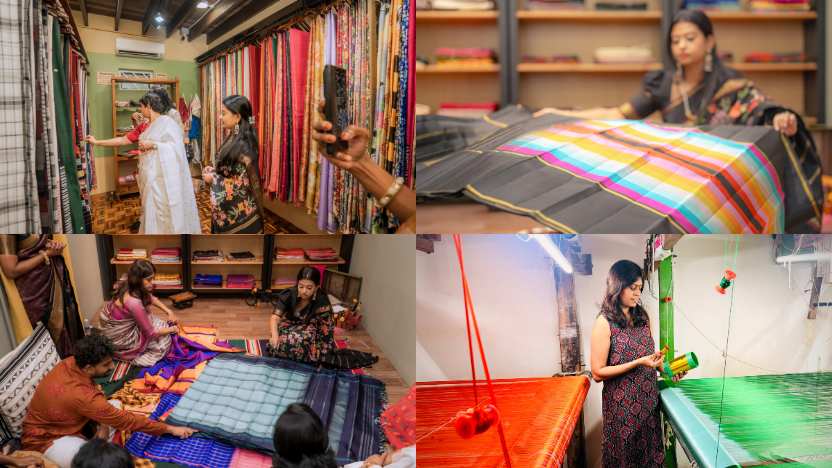
A Craft That Was Never Built for Speed The mismatch between viral commerce and handloom craftsmanship is structural, not just aesthetic. A single Kanjivaram saree can involve close to 50 pairs of hands across its production from harvesting silk yarn to the final knot on the loom, a process measured in days and weeks, not minutes. TikTok commerce, by contrast, rewards immediacy: fast content, fast checkout, fast turnover.
"It is cheaper to produce a machine-made saree, as not much human labour is involved," Suvitha explains, a plain economic fact, but not one that changes what she believes actually matters.
"We need to support handloom products; weavers and their families depend on it for their survival."
When "Handloom" Doesn't Mean Handloom One consequence of the rush to sell fast has been a blurring of language. Jeevitha says the boutique regularly encounters customers who had purchased sarees marketed elsewhere as "authentic handloom" or "pure silk," only to later seek out Pattushastra to verify or replace what they'd bought.
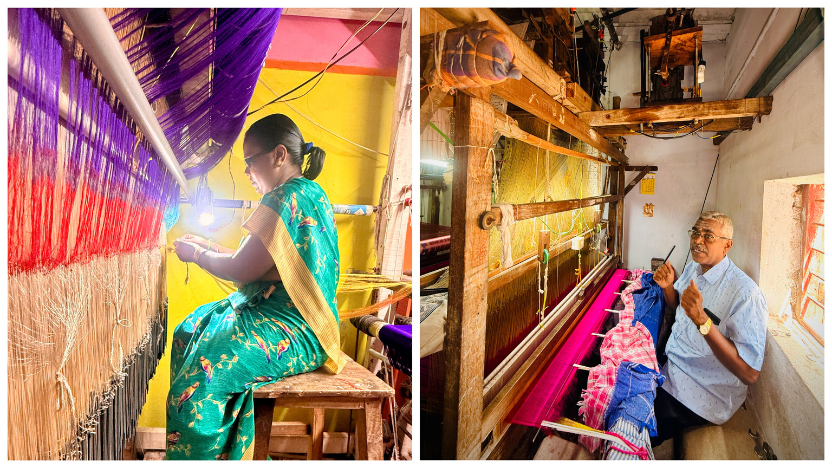
"We have met many clients who purchased sarees presented as 'authentic handloom' and labelled 'pure silk,' only to discover that they had been misled," she says. It points to a wider issue in unregulated online retail: without consistent standards, terms like "handloom" and "Kanjivaram" have become marketing language as much as craft descriptors applied loosely enough that buyers often can't tell the difference until the saree is in their hands. For the sisters, the fix isn't policing every seller.
It's making sure buyers know what to look for. Educating, Not Competing Notably, the sisters' response to this shift hasn't been to compete on price or platform, it's been to lean further into education, sharing the provenance and labour behind each piece, even if it means slower growth.
"We may not be able to stop every seller from doing this," Suvitha says, "but there is something we can do: we can continue educating people about handloom. We will continue this journey even if it generates slower growth and income for us. True craftsmanship cannot be rushed."
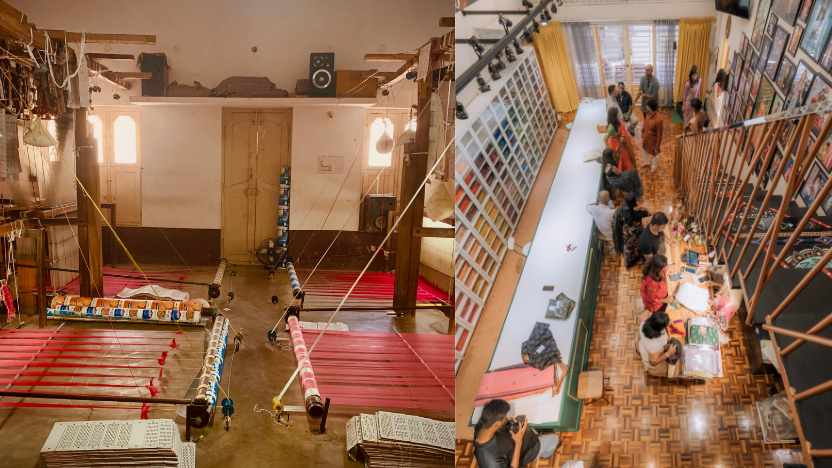
Jeevitha's advice to buyers runs on the same unhurried logic, deliberately at odds with the instantgratification pace of viral commerce: "Before purchasing, take time to learn about the brand, read genuine customer reviews and understand the product. Social media hype alone should never determine authenticity."
What Actually Stands the Test of Time Strip away the retail framing, and what's really being described is a simple truth the sisters have staked their business on: trends move fast, but genuine craftsmanship doesn't need to keep up with them to matter.
A Kanjivaram saree made the right way by the right hands, over the right amount of time, carries a kind of permanence that a viral trend, by definition, can't. That's the bet Pattushastra has made for fourteen years, and it's one the sisters show no sign of walking back.
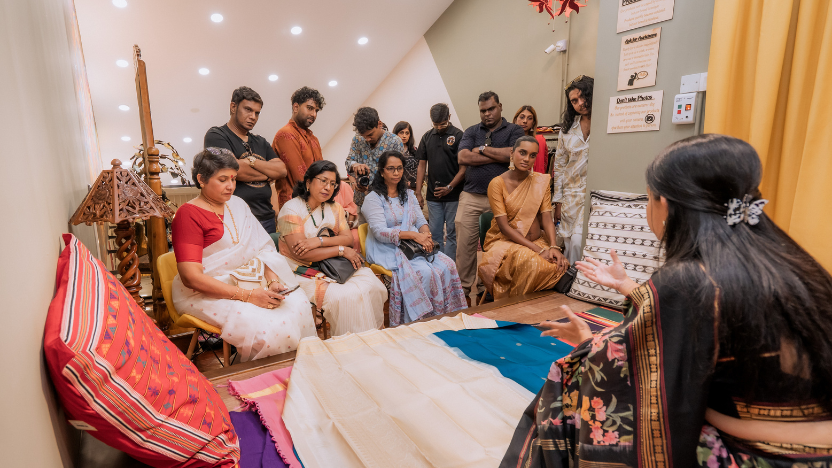
"Money was never the reason we started Pattushastra," Suvitha says. "True craftsmanship was."
Everything else, the algorithm, the price wars, the fast-fashion churn is noising the real thing has learned to outlast.
Tags and follow for more at: @pattushastra
You may be interested in
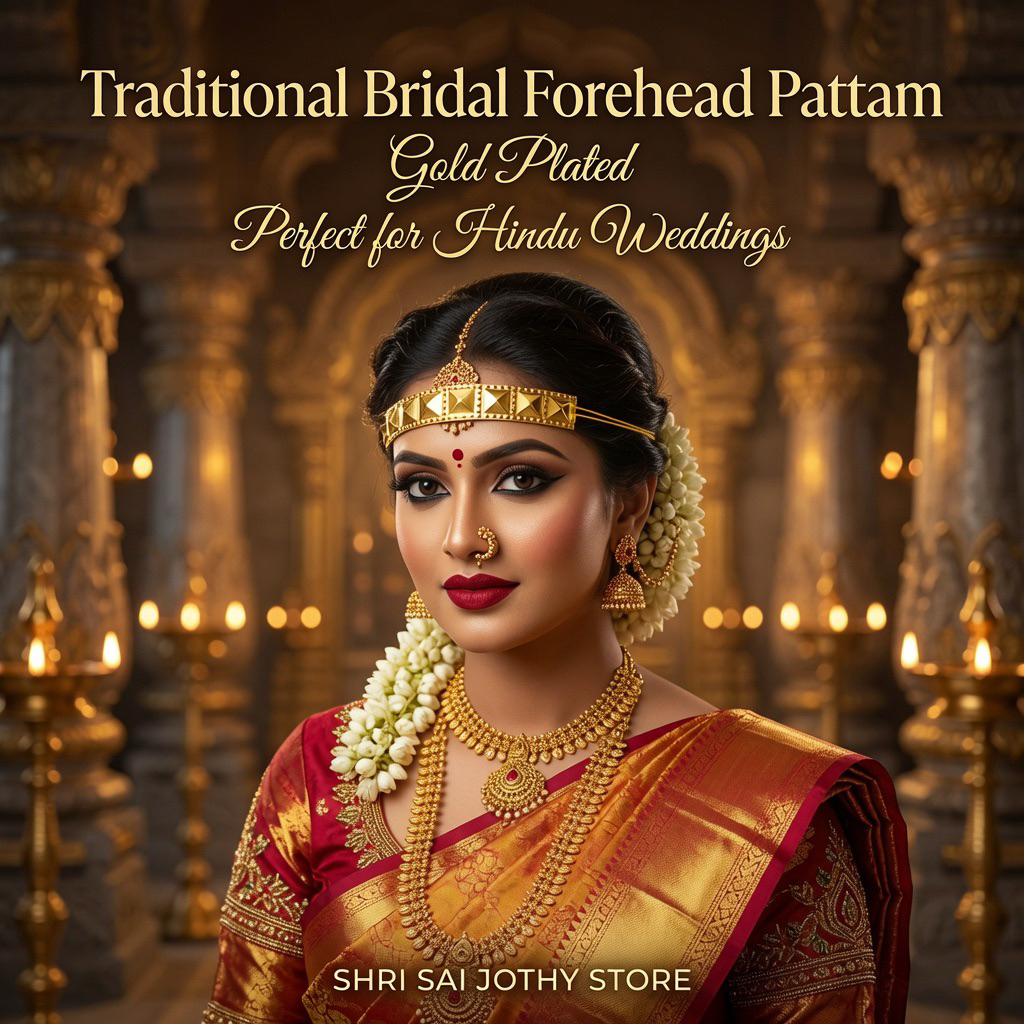
Indian Wedding Forehead Netti Pattam & Hand Wrist Pattam Gold Plated Traditional Bridal Ceremony Set
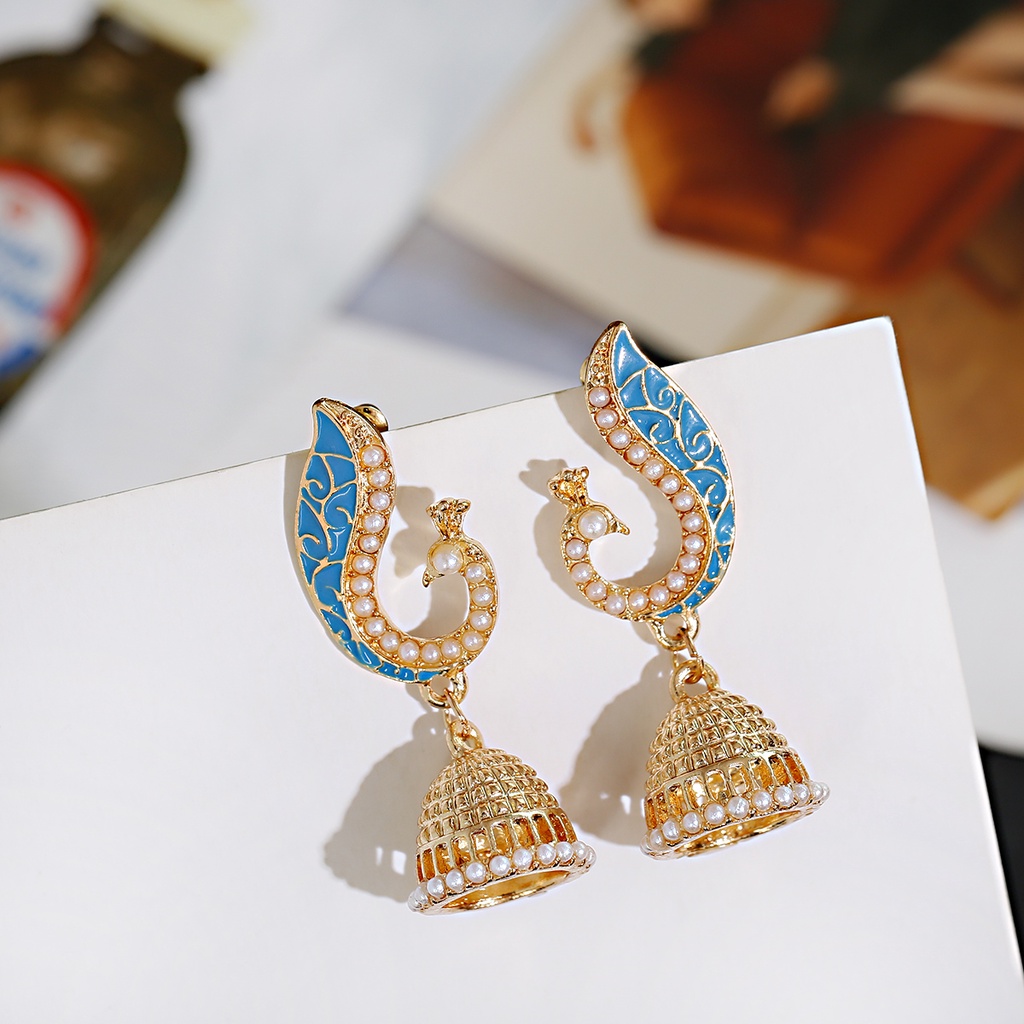
Ethnic Retro Corful Peacock Jhumka Earrings Womens Indian Jewelry Flower Gold Bell Tassel White Pearl Earrings
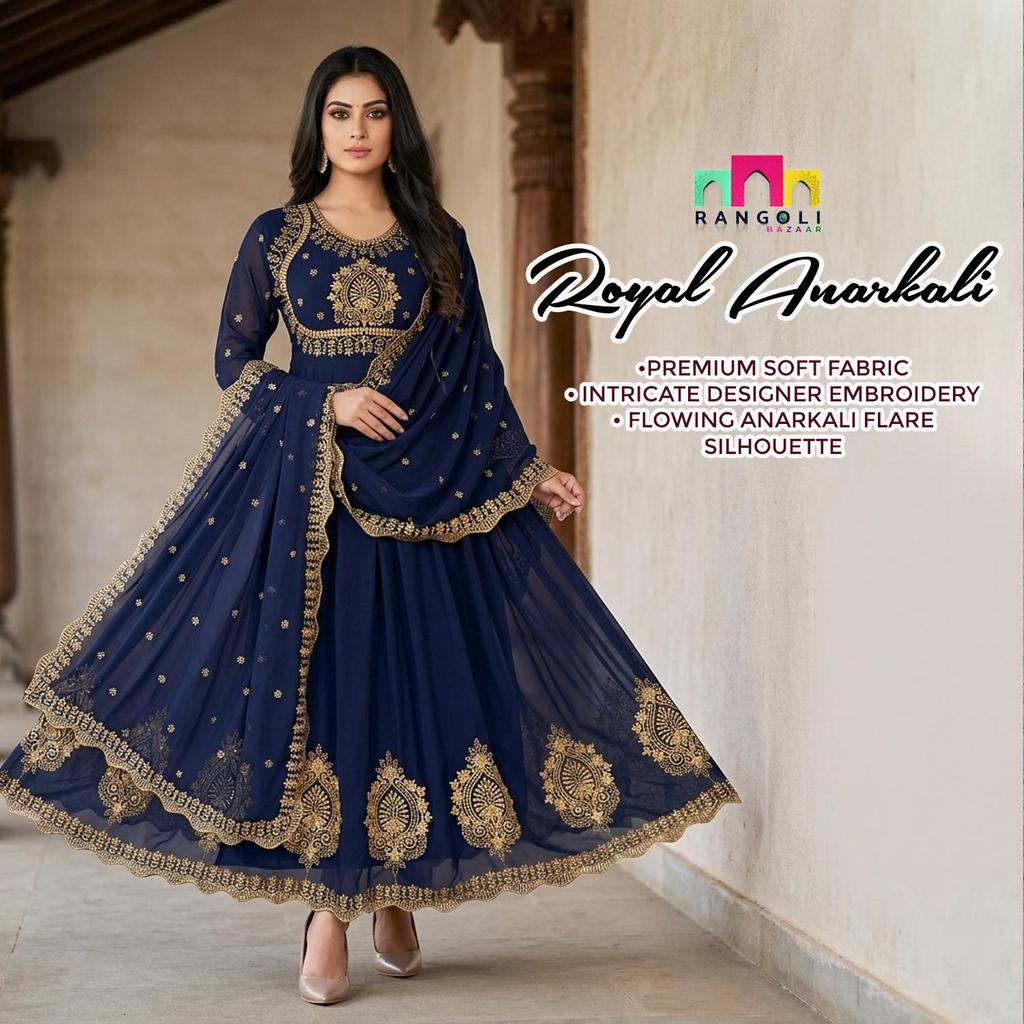
Royal Heritage Embroidered Anarkali Gown for Women | Premium Festive Wear by RANGOLI BAZAAR
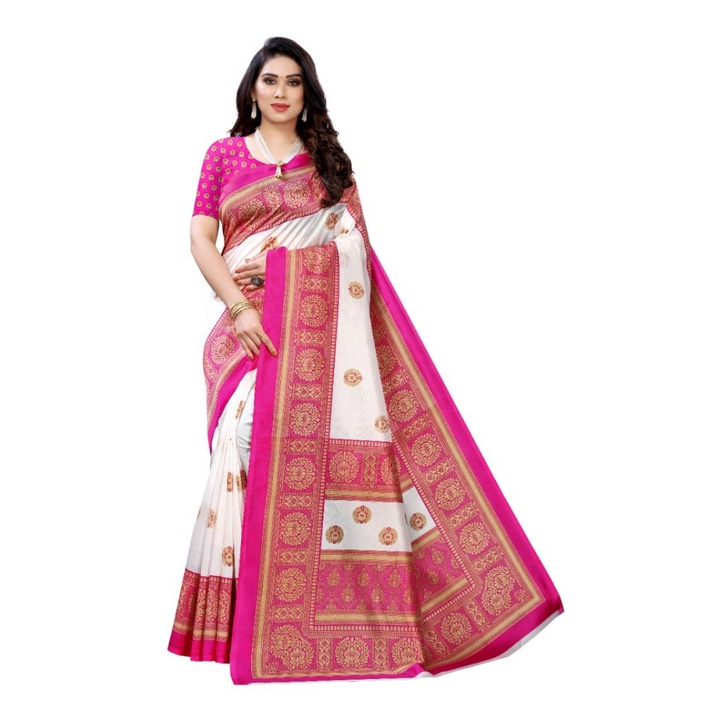
Ready stock lotus design indian saree