

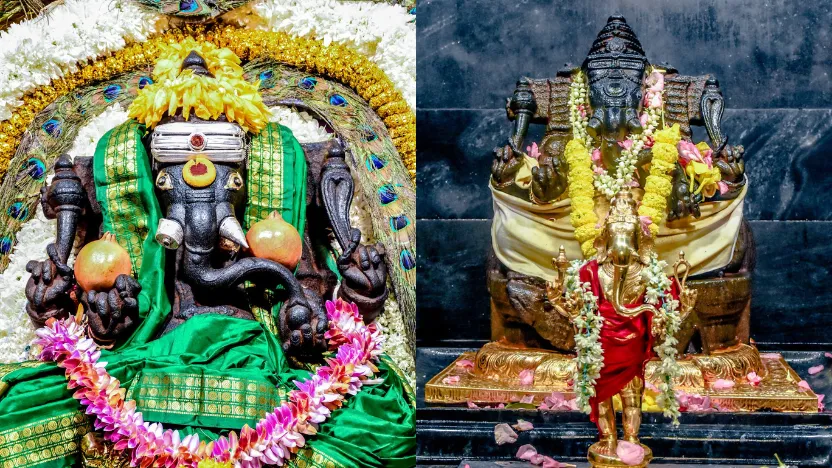
Vinayagar Chathurthi is a sacred festival commemorating the birth of Lord Ganesha, the revered Hindu deity symbolizing wisdom and success. This year in Malaysia, the auspicious occasion is slated to be observed today on the 14th of September, 2026.
What are the symbols and attributes of Lord Ganesha?
Every element of Lord Ganesha’s form carries a deeper spiritual meaning, offering devotees valuable lessons about wisdom, humility, strength and the journey of life.
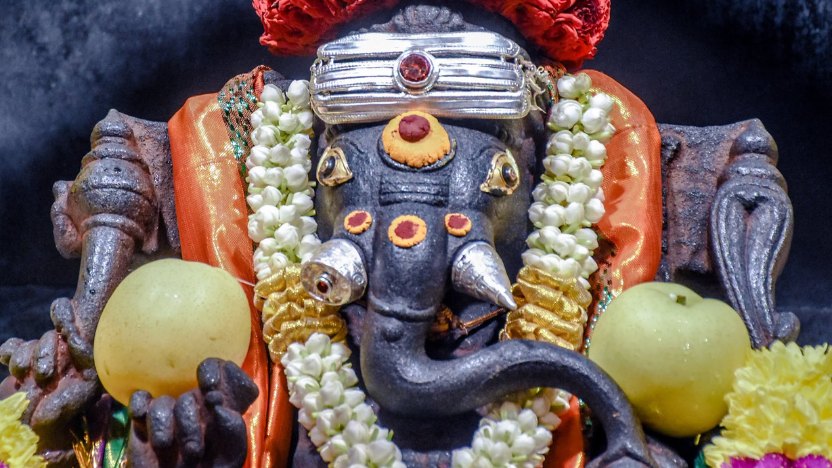
- Elephant Head – Represents wisdom, strength and the ability to overcome challenges and obstacles.
- Large Ears – Remind us to listen more, speak less and receive knowledge with patience.
- Small Eyes – Symbolise concentration, focus and the ability to see with clarity.
- Trunk – Represents adaptability and strength, showing the ability to handle both great and small tasks.
- Large Belly – Symbolises acceptance, contentment and the ability to embrace both happiness and sorrow with equanimity.
- One Tusk (Ekadanta) – Represents perseverance and sacrifice, reminding devotees that wisdom can come through overcoming difficulties and making sacrifices.
- Mouse (Vahana) – Ganesha’s vehicle represents humility and reminds us that even the smallest creature has a place in serving the divine.
- Modakam / Kozhukatai – The sweet dumpling represents the sweetness and spiritual rewards that come through devotion and sincere practice.
What Is the Story of Lord Ganesha’s Birth?
Lord Ganesha holds an important place in Hindu philosophy and tradition, and his many names reflect the different qualities and aspects associated with him. He is known as Ekadanta, Gajanana, Vakratunda, Lambakarna, Dhumravarna and Akhuratha, among many other names. As the leader of Shiva’s ganas, or divine attendants, he is also known as Gananayaka.
The story of Ganesha’s birth is found in several Hindu traditions and Puranic accounts, with different versions offering their own explanations of his origin and divine nature. In popular Hindu tradition, Ganesha is regarded as the son of Lord Shiva and Goddess Parvati and the brother of Skanda.
One of the most widely known versions tells of how Parvati created Ganesha while preparing to bathe. Wishing to remain undisturbed, she needed someone to guard the entrance. In the absence of Nandi, she fashioned a young boy from the turmeric or sandalwood paste she used while bathing and breathed life into him.
Parvati instructed the boy not to allow anyone to enter while she was bathing. When Lord Shiva arrived and attempted to enter, Ganesha faithfully followed his mother’s instructions and refused to let him pass. A confrontation followed, and Shiva, unaware of Ganesha’s identity, severed the boy’s head.
When Parvati discovered what had happened, she was furious and demanded that Ganesha be brought back to life. To pacify her, Shiva agreed to restore the boy and ordered his attendants to find the head of the first living creature they encountered, with its head facing north.
The attendants returned with the head of an elephant, which was placed upon Ganesha’s body. He was then brought back to life and accepted as a divine being. In some versions of the story, Lord Brahma plays a role in restoring Ganesha to life and granting him divine status. There are several variations of Ganesha’s birth story across Hindu scriptures and traditions.
Significance of Vinayagar Chaturthi
This auspicious day holds profound spiritual and cultural significance. It centers around Lord Ganesha, the cherished son of Lord Shiva and Goddess Parvati, revered as the deity bestowing wisdom, success, and good fortune upon his devotees. Lord Ganesha is traditionally invoked at the outset of new ventures or auspicious occasions, symbolically removing obstacles and paving the way for triumph.
The practice of seeking Lord Ganesha's blessings before embarking on significant endeavours, be it starting a new job, organizing events like weddings, or initiating any important work, is deeply ingrained in Hindu customs. This timeless ritual is a symbol of reverence and the hope for a prosperous and obstacle-free journey towards success and fulfilment.
Mantras to chant
1. Vakratunda Maha-Kaaya Surya-Kotti Samaprabha Nir - Vighnam Kuru Me Deva Sarva-Kaaryeshu Sarvadaa
2. Aum Ekadantaya Viddhamahe, Vakratundaya Dhimahi, Tanno Danti Prachodayat.
3. Om Gan Ganpataye Namah
Source: The Times of India
Image Credit : Kortumalai Ganesar Temple