

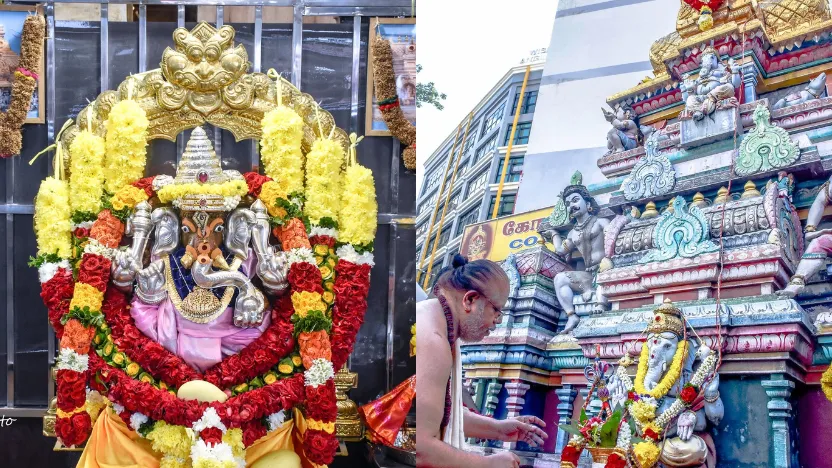
Court Hill Sri Ganesar Temple in Kuala Lumpur is one of the foremost Hindu temples in the country, its origins are rooted in a humble act of devotion that eventually grew into a powerful spiritual centre.
The story of the temple begins in 1897, during the colonial era of British Malaya. At the time, an Indian gardener working in the orchard of a British official’s residence created a small shrine dedicated to Lord Ganesha. What started as a simple place of prayer slowly began attracting devotees from the surrounding area. People came quietly to offer prayers, seeking blessings from the remover of obstacles.
As the shrine gained popularity, the gardener installed a bell so that the sound could announce auspicious prayer times. However, the ringing of the bell disturbed the British official who owned the residence, a man popularly known as Wagner Durai. Initially serving as a senior police officer in Malaya before later becoming a lawyer, Wagner was known for his strict and authoritative personality.
Annoyed by the sound of the bell, Wagner reportedly ordered the gardener to remove it immediately. He even warned that if the bell was not taken down, he would demolish the shrine entirely. But the moment he uttered those words, something unexpected happened, Wagner suddenly became paralysed.
The gardener was deeply troubled by the incident. That night, he had a dream in which Lord Ganesha appeared before him. In the dream, the deity instructed him to perform prayers for Wagner Durai and apply sacred vibuthi, or holy ash, to his hands and legs.
Following the divine instruction, the gardener conducted the prayer and gently smeared vibuthi on Wagner’s limbs. To everyone’s amazement, Wagner soon recovered from his paralysis. The incident transformed his outlook completely. Grateful for the miracle he had experienced, Wagner began visiting the shrine himself to pray. He eventually became one of its supporters and contributed towards the development and construction of the temple.
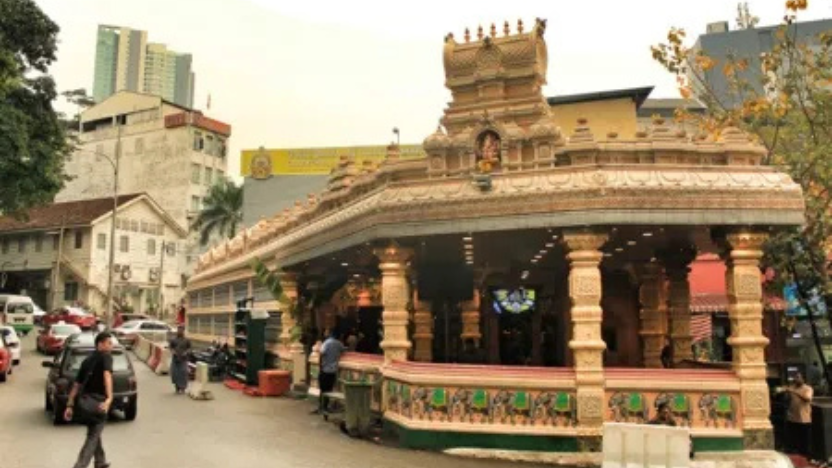
Over time, the humble shrine evolved into a revered place of worship. The temple was constructed on a sloping land known in Tamil tradition as “moonu muchandi,” meaning a meeting point of three adjoining corners. In Hindu belief, such locations are considered spiritually powerful, believed to enhance divine energy within the temple grounds.
One of the temple’s most unique and sacred traditions is the daily Sangam Poojai. This temple is believed to be the only one in the world where this ritual is conducted twice every day throughout the year. The practice began in 1939 and continues uninterrupted to this day.
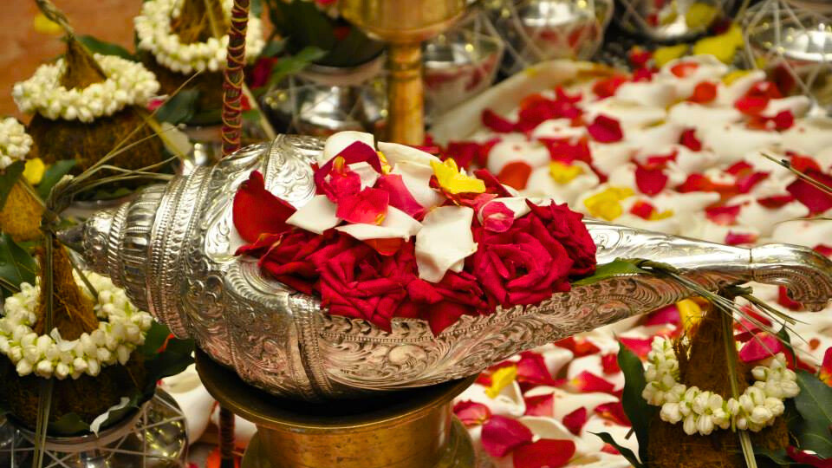
During the ritual, holy water known as tirtham is poured through a sacred conch shell before being used for the ceremonial bathing of Lord Ganesha. The natural spiral formation of the conch causes the water to flow in a swirling motion as priests chant sacred mantras. Devotees believe that this process amplifies the spiritual energy of the ritual. In Hindu tradition, the conch shell itself is regarded as the dwelling place of celestial beings, making the Sankha Puja especially auspicious. Those who participate in it are believed to receive blessings of health, prosperity and happiness.
The temple’s spiritual grandeur is further elevated by the golden entrance to the sanctum, known as the garbha graham. According to Hindu scriptures, gold carries the highest spiritual vibration and is capable of channeling divine energy, or shakti. This sacred metal is therefore used to enhance the spiritual atmosphere within the temple’s inner sanctum.
The temple eventually became known as Court Hill Ganesar Temple because the old High Court building once stood nearby. Lawyers who came to represent clients at the court often visited the temple before their hearings, praying to Lord Ganesha for favourable outcomes. When their cases were successful, many returned to offer thanks and contribute towards the temple’s upkeep.
Source : mysticaltemplesofmalaysia.blogspot
Image Credit : Kortumalai Ganesar Temple / Court Hill Sri Ganesar Temple (Kortumalai Vinayagar Temple) , Like The Wheels - Word ,