

Katrina Kaif’s return to the public eye after becoming a mother has sparked an uncomfortable conversation not about motherhood itself, but about how quickly people feel entitled to comment on a woman’s body after childbirth.
Instead of simply welcoming a new mother back into the spotlight, social media discussions once again focused on her weight, appearance and how different she looked from before pregnancy. Several Bollywood celebrities came forward to defend her, questioning why women are expected to return to their pre-pregnancy bodies almost immediately.
But perhaps the bigger question is: why do we expect that at all?
Pregnancy changes a woman’s body in ways that cannot simply be reversed within a few weeks. According to Dr Mannan Gupta, Chairman and HOD of Obstetrics & Gynaecology at Elantis Healthcare, postpartum recovery does not follow a fixed timeline. Physical and hormonal changes can continue for several months or even longer.
And recovery is about far more than weight.
After childbirth, the uterus gradually contracts, the body sheds excess fluid and hormones undergo significant changes. Breastfeeding, sleep, nutrition, physical activity, pre-pregnancy weight and pregnancy weight gain can all influence how a woman feels and looks after giving birth.
There is no single way for every woman to recover. Yet the phrase “bounce back” continues to create an unrealistic expectation that a new mother should quickly look exactly as she did before pregnancy.
A softer stomach, stretch marks, changes in breast shape or a different body composition are often treated as something that needs to be fixed. But these can be completely normal parts of pregnancy and childbirth.
New mothers often face immense pressure to regain their pre-pregnancy shape, despite there being no universal standard for what a “perfect” postpartum body should look like. And when the woman happens to be a celebrity, that pressure can become even louder.
Photographs are analysed. Weight is discussed. Comparisons are made. A woman's body becomes a topic of public conversation at a time when she may simply be trying to adjust to a completely new chapter of her life.
But behind that photograph could be a woman who is exhausted, recovering, breastfeeding, struggling with sleep or simply learning how to care for her baby while adjusting to everything her body and life have just been through.
Postpartum recovery is not a competition. It is also not a deadline. New mothers need nutritious food, adequate rest, hydration, gentle physical activity when medically appropriate and, perhaps most importantly, emotional and practical support. There should also be no shame in asking for help when motherhood becomes overwhelming.
The expectation that a woman should quickly become her “old self” overlooks something very important; she has been through something life changing.
Her body has carried a child. It has given birth. It is recovering. It is adapting. So perhaps instead of asking, “Why doesn’t she look like she did before?” we should ask ourselves, “Why did we expect her to?”
Katrina Kaif’s experience may have sparked the conversation, but this is not really about one celebrity. It is about millions of women who face similar comments, comparisons and expectations away from the spotlight.
A new mother’s body is not a before-and-after photograph. It does not need to “bounce back” on anyone else’s schedule.
Motherhood changes the body. What new mothers need in return is not criticism, but kindness, patience and understanding.
Source / Image Credit : pmck.com , indianexpress
You may be interested in
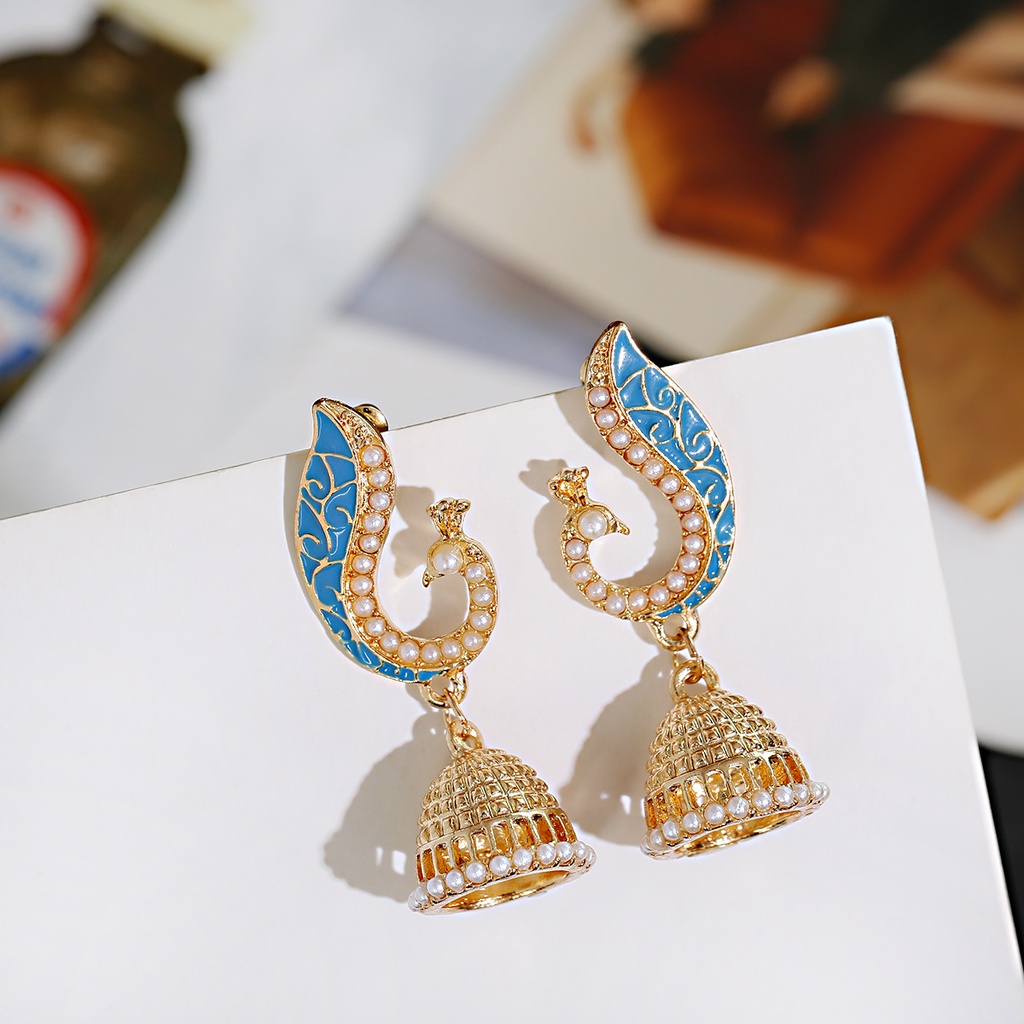
Ethnic Retro Corful Peacock Jhumka Earrings Womens Indian Jewelry Flower Gold Bell Tassel White Pearl Earrings

Bollywood Style 1 Pair Of Earrings + 1 Necklace Vintage Jewelry Set Retro Design Inlaid Gemstone Match Daily Outfits Party Accessories

Ready stock lotus design indian saree

Royal Heritage Embroidered Anarkali Gown for Women | Premium Festive Wear by RANGOLI BAZAAR