


Among the eight sacred fasts dedicated to Lord Shiva, known as the Ashta Vrathas, Pradosha Vratham is one of the most significant. This sacred observance is performed on the Trayodashi tithi, the 13th day of the lunar cycle. Every month generally has two Pradosham days, one during the waxing moon (Shukla Paksha) and another during the waning moon (Krishna Paksha).
Apart from these monthly observances, the time between 4.30 pm and 6.00 pm every day is known as Nithya Pradosham. Worshipping Lord Shiva during this sacred twilight period is considered highly auspicious.
Among the important sacred days dedicated to Lord Shiva, Pradosham holds a prominent place. Of these, Pradosham that falls on Saturdays and Mondays is considered especially powerful. Monday, known as Somavaram, is a day particularly dear to Lord Shiva. The word Soma refers both to the Moon God Chandra and to Lord Shiva who is united with Goddess Parvati.
According to legend, the Moon God once suffered from a curse that caused him to gradually lose his brilliance and strength. In distress, Chandra performed intense penance and worshipped Lord Shiva. Moved by his devotion, Lord Shiva lifted the curse and blessed him by placing the crescent moon upon his matted locks. Shiva also granted Chandra a position among the Navagrahas, the nine celestial planetary deities.
At that time, Chandra humbly prayed to Lord Shiva that people who observe fasting and worship on the day dedicated to him should receive divine blessings and good fortune. From this request emerged the sacred Somavara Vratham. Those undergoing the planetary influence of the Moon or those whose ascendant is ruled by Chandra are believed to gain peace of mind and happiness by visiting Shiva temples and participating in Pradosham worship.
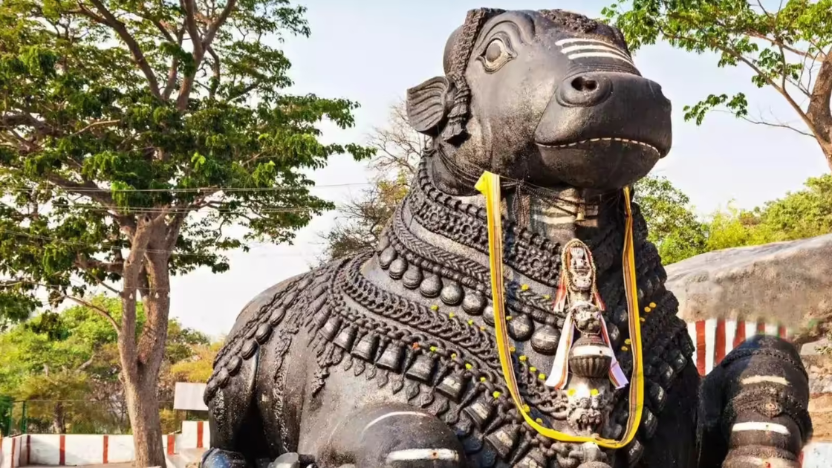
On Somavara Pradosham, devotees offer sacred Bilva leaves to Lord Shiva and worship Nandi Deva with red oleander flowers and garlands made from sacred arugampul grass. It is believed that sincere prayers made during this sacred time will fulfil one’s heartfelt wishes. Offering simple foods such as lemon rice, curd rice, sakkarai pongal or ven pongal to the Lord and distributing them as prasadam to devotees is believed to bring prosperity and abundance in life.
Performing Pradosham pooja is believed to enhance wisdom, increase memory power and remove karmic obstacles. No matter how severe a dosha may be, observing the Pradosha fast and performing abhishekam to Lord Shiva with freshly drawn cow’s milk and sacred flowers is believed to bring powerful spiritual benefits.
Traditional belief also says that worshipping Lord Shiva and Nandi with the milk of a healthy cow during Pradosham can help remove karmic effects from past births and certain curses.
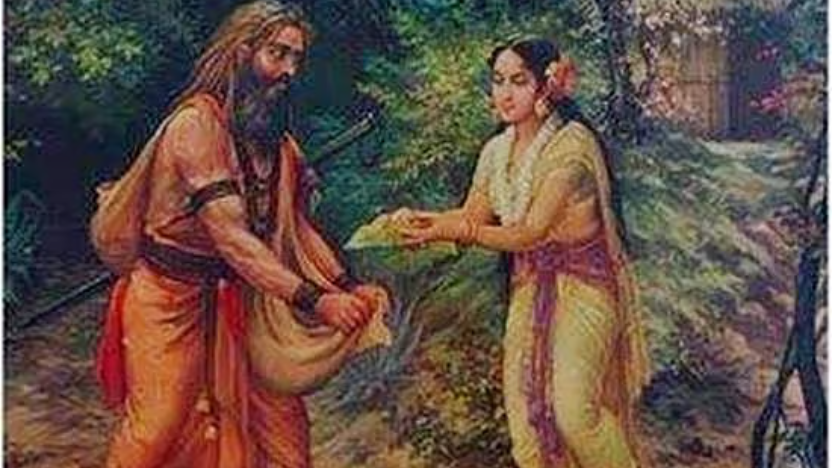
Observing the Pradosha fast is believed to bring many blessings in life. Couples who long for children may receive the blessing of childbirth. Unmarried women may soon find suitable marriage alliances. Poverty may disappear and wealth may grow. Career progress improves, debts are resolved and students appearing for competitive examinations may achieve success. Visiting a Shiva temple during the Pradosham period and participating in the pooja with devotion is believed to help fulfil one’s wishes.
Pradosham is considered a powerful time to receive Lord Shiva’s grace. When Pradosham falls on a Monday, it is called Somavara Pradosham, which is regarded as particularly sacred. Engaging in Shiva meditation and devotion during this time is believed to remove the negative effects caused by the Navagrahas and eliminate various doshas.
The Tamil month of Panguni is considered highly auspicious for worshipping all deities. The waxing phase Somavara Pradosham in Panguni this year falls on April 3. It is believed that on this sacred day, even the celestial beings worship Lord Shiva to receive blessings.
The word Soma refers to both the Moon and Lord Shiva, who adorns the crescent moon upon his head. Therefore, Mondays are regarded as especially sacred for Shiva worship. By having darshan of Lord Shiva and Nandi during the Pradosham period, devotees believe that all sins and doshas are removed, spiritual merit increases and all forms of prosperity and good fortune are attained. It is also believed that such devotion grants honour and influence comparable to that of Indra, the king of the Devas.
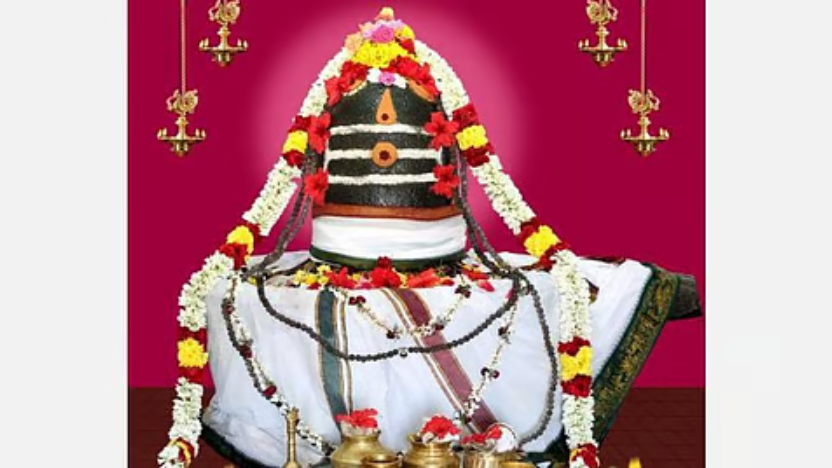
According to sacred mythology, Pradosham is also the time when Lord Shiva performed the divine cosmic dance, the Shiva Tandava, after consuming the deadly poison that emerged from the churning of the cosmic ocean in order to protect all living beings. During this sacred moment, it is believed that all life in the universe merges into the divine presence of Lord Shiva.
For this reason, it is traditionally believed that during the Pradosham period devotees should focus solely on worshipping Lord Shiva. They are advised not to circumambulate the temple or worship other deities during this time. Even those who contribute items required for Pradosham worship are believed to receive the same spiritual merit as those who observe the fast.
Although all Somavara Pradoshams are sacred, the Somavara Pradosham that falls during the waxing phase of the Panguni month is considered exceptionally powerful. It is often said that observing a fast on Somavara Pradosham brings the same spiritual merit as observing a thousand ordinary Pradosham fasts. On this day, devotees traditionally observe fasting throughout the day while chanting the sacred names of Lord Shiva.
Benefits of Pradosham based on the day it falls
- If Pradosham falls on Monday (Soma Pradosham), it brings peace of mind and emotional balance.
- If it falls on Tuesday (Bhouma Pradosham), it helps remove illnesses and improves health.
- If it falls on Wednesday (Saumya Pradosham), it ensures the well-being and prosperity of children.
- If it falls on Thursday (Guru Pradosham), it brings the blessings of ancestors.
- If it falls on Friday (Shukra Pradosham), it increases wealth and prosperity.
- If it falls on Saturday (Shani Pradosham), it brings career growth, recognition and improved memory power.
Pradosham is thus regarded as one of the most sacred times for devotees of Lord Shiva, a divine period when sincere devotion and prayer are believed to remove karmic burdens and fill life with peace, prosperity and spiritual grace.
Source : TamilSamayam , kalkionline , Temples Of India , Seithipunal , Dinamani , Hindu Tamil , Boston Sri KaliKambal ShivaTemple