
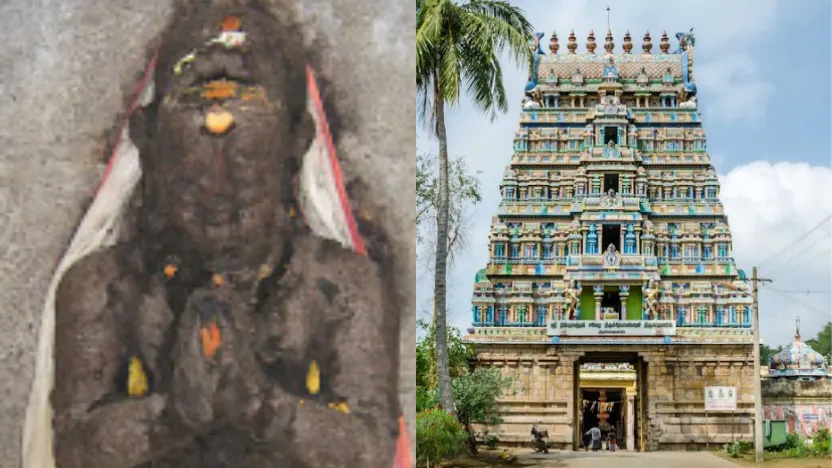
Hidden along the sacred banks of the River Kaveri there is an ancient Shiva temple that has fascinated devotees for centuries. Known as Thirukodikaval, this sacred shrine is not only known for its spiritual power but also for a belief that even Yama, the God of Death, has no authority within its sacred boundaries.
According to ancient legends, all 33 crore (330 million) devas once gathered here to worship Lord Shiva. Because of this, the presiding deity came to be known as Koteeswarar, meaning "The Lord Worshipped by Crores of Devas," while the village itself became known as Thirukodikaval.
The temple is also closely associated with the power of sacred mantrams. It is believed that millions of mantras that had lost their spiritual potency due to incorrect chanting came to this holy place. In the divine presence of Lord Shiva, they were recited correctly once again and regained their original power.
One of the temple's most astonishing legends speaks of a divine comparison between Mount Kailash and Thirukodikaval. It is said that when both sacred places were placed on a celestial balance, Thirukodikaval outweighed Kailash itself. Lord Shiva is believed to have declared that this temple holds the same divine greatness as His own sacred abode.
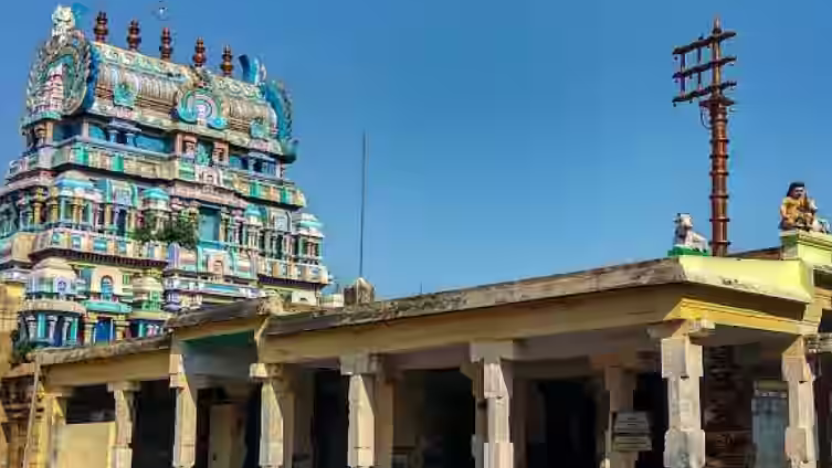
Another belief makes this temple unlike any other. Just as Kashi is regarded as the city that grants liberation, devotees believe those who live in Thirukodikaval are freed from the fear of death. Even today, locals say the village has no separate cremation ground, as those who pass away here are traditionally taken to a neighbouring village for their final rites.
The temple is also believed to multiply the spiritual benefits of every act of worship. Whether it is meditation, chanting, prayers or homams, devotees believe the blessings received here are three times greater than elsewhere.
Bathing in the sacred waters of the Kaveri near the temple during the month of Karthigai, particularly at sunrise on a Sunday, is believed to wash away accumulated sins and grant spiritual purification.
Perhaps the most powerful story connected to Thirukodikaval is that of a woman named Lokakantha.
According to legend, she had committed grave sins during her lifetime, including murdering her husband and living a life filled with wrongdoing. Towards the end of her life, she happened to stay in Thirukodikaval.
When she died, Yama's messengers arrived to take her soul to Naraka (hell). But before they could do so, Shiva's divine attendants stopped them. Yama himself approached Lord Shiva, asking why he was being prevented from carrying out his duty.
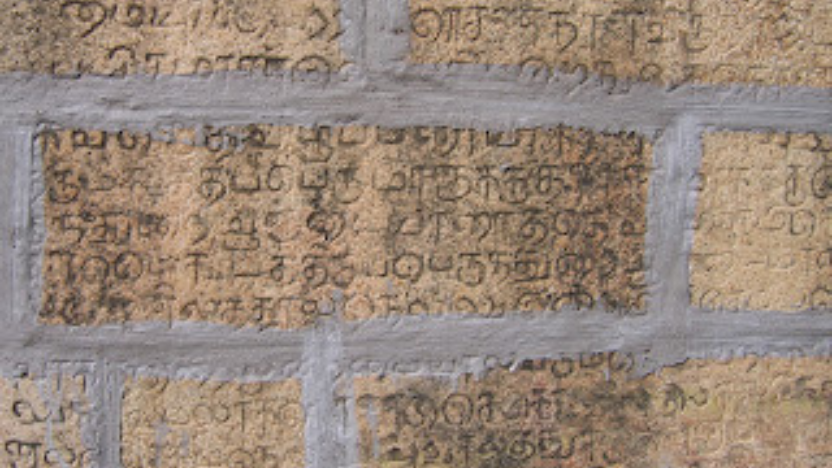
Lord Shiva's reply became one of the temple's greatest legends.
He declared that Yama had no authority over anyone connected to Thirukodikaval. Not only those who lived there, but even those who merely heard the sacred name "Thirukodikaval" or stepped upon its holy soil were beyond Yama's power. Those who performed prayers, meditation, penance or spiritual practices there would remain under Shiva's protection.
Because Lokakantha had spent her final days in this sacred place, she was freed from Yama's judgment and ultimately attained moksha (liberation).
For generations, devotees have continued to visit Thirukodikaval seeking forgiveness, and liberation. To them, this is far more than an ancient Shiva temple, it is a sacred place where faith is believed to overcome even karma itself, and where Lord Shiva's grace is said to triumph over death.
Source : prtraveller.blogspot, Shaivam
You may be interested in

Ethnic Retro Corful Peacock Jhumka Earrings Womens Indian Jewelry Flower Gold Bell Tassel White Pearl Earrings

Royal Heritage Embroidered Anarkali Gown for Women | Premium Festive Wear by RANGOLI BAZAAR

Bollywood Style 1 Pair Of Earrings + 1 Necklace Vintage Jewelry Set Retro Design Inlaid Gemstone Match Daily Outfits Party Accessories

Indian Wedding Forehead Netti Pattam & Hand Wrist Pattam Gold Plated Traditional Bridal Ceremony Set