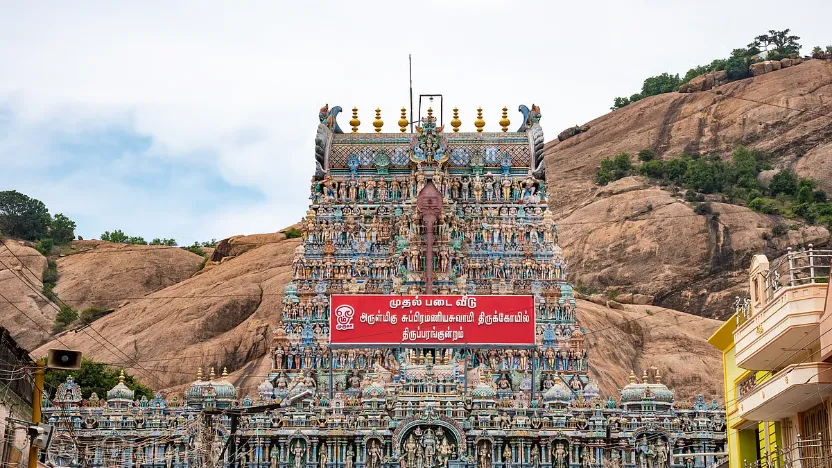
Located approximately eight kilometres from Madurai in Tamil Nadu, India, the Thiruparankundram Murugan Temple is one of the most sacred places of worship dedicated to Lord Murugan.
Known as the first among the six sacred abodes of Lord Murugan, collectively called Arupadaiveedu, the temple holds a special place in Hindu mythology and Tamil religious traditions.
Unlike many other Murugan temples, Thiruparankundram is famous for its ancient rock-cut architecture, spiritual significance and beautiful legends associated with the divine marriage of Lord Murugan and Deivayanai.
For centuries, devotees have visited this sacred hill seeking the blessings of Lord Murugan, particularly for marriage, family happiness and prosperity.
1. The Ancient History Of Thiruparankundram
The history of Thiruparankundram Murugan Temple dates back several centuries, with its origins commonly associated with the Pandya dynasty.
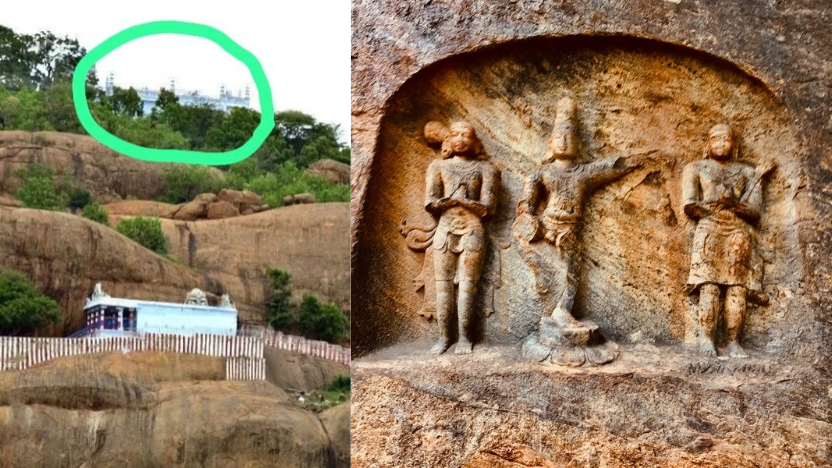
The temple is believed to have been developed as a rock-cut shrine during the 6th century AD. Rather than constructing the entire temple using separate stones, ancient craftsmen carved the sanctums and important structures directly into the massive hill.
This remarkable architectural style reflects the artistic skills and craftsmanship of the Pandya rulers. Over the years, the temple underwent several renovations and expansions, particularly during the Nayak dynasty, which ruled Madurai between 1559 and 1736 AD.
During this period, several beautiful structures were added, including towering gopurams, spacious mandapams and intricately carved pillars. One of the most impressive sections is the Mukha Mandapam, which features 48 beautifully carved pillars showcasing the artistic excellence of the Pandya and Nayak periods.
2. The divine wedding Of Lord Murugan and Deivayanai
One of the most important reasons Thiruparankundram is celebrated among Murugan devotees is its connection to the divine marriage of Lord Murugan and Deivayanai.
According to Hindu mythology, a powerful demon king named Surapadman once troubled the Devas and brought suffering to the three worlds. Despite having received divine blessings from Lord Shiva through intense penance, Surapadman eventually became arrogant and began using his powers to torment others.
Unable to bear his cruelty, the Devas approached Lord Murugan for help. Lord Murugan accepted their request and fought a great battle against Surapadman. After a fierce struggle, he defeated the demon and freed the Devas from his control.
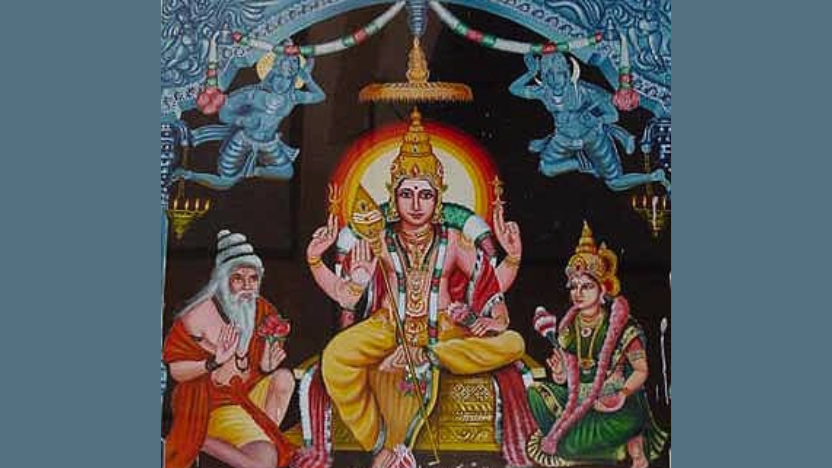
As a mark of gratitude, Lord Indra, the king of the Devas, offered his daughter Deivayanai in marriage to Lord Murugan. Their divine wedding is traditionally believed to have taken place at Thiruparankundram, in the presence of several celestial beings, including Lord Shiva, Goddess Parvati, the Sun and the Moon.
Following the wedding, Lord Murugan received the blessings of his divine parents. This sacred event is one of the reasons why Thiruparankundram is considered an auspicious place for marriages. Even today, many couples choose to get married at this temple, believing that the blessings of Lord Murugan and Deivayanai will bring happiness, harmony and prosperity to their married lives.
3. What Makes This Temple Different From Other Murugan Temples?
Although all six abodes of Lord Murugan hold great religious significance, Thiruparankundram has several distinctive features that make it special. One of its most interesting features is the posture of Lord Murugan.
Unlike the standing form commonly seen in many Murugan temples, the presiding deity at Thiruparankundram is worshipped in a seated posture alongside his consort, Deivayanai. It is also traditionally recognised as the only one among the six abodes where Lord Murugan is worshipped in this particular seated form.
Another interesting feature is its location. While most of the Arupadaiveedu are associated with hills or elevated landscapes, Thiruparankundram is situated at the base of a massive rocky hill, with the main shrine carved into the hill itself.
The temple is also known for its unusual arrangement of deities. In the main rock-cut sanctum, the images of Lord Shiva and Lord Vishnu face each other, a distinctive feature of the shrine. This arrangement reflects the presence and worship of both Shaivite and Vaishnavite traditions within the same sacred space.
4. A temple with remarkable rock-cut architecture
Apart from its religious importance, Thiruparankundram is admired for its extraordinary architecture. The temple is carved directly into the rocky hillside, with several sanctums dedicated to different Hindu deities.
Devotees entering the temple can find shrines dedicated to Lord Murugan, Lord Shiva, Goddess Durga, Lord Vinayagar and Lord Vishnu. The temple also features several mandapams, including the Kambathadi, Ardha and Maha Mandapams.
The entrance is marked by an impressive seven-tiered Raja Gopuram, which rises approximately 150 feet high. Another interesting attraction is the Shadashara Padigal, a flight of six steps leading towards the Ardha Mandapam.
The temple walls and pillars feature intricate carvings of Hindu deities and scenes from religious traditions, offering visitors a glimpse into the artistic achievements of ancient Tamil kingdoms.
Outside the temple, visitors can also find a sacred pond where devotees traditionally feed fish with salt and rice flakes. A Vedic school is also located near the pond, adding to the temple's spiritual atmosphere.
5. The sacred hill known as the Southern Himalayas
Thiruparankundram is not just known for its temple but also for the spiritual importance associated with its hill. According to local beliefs and religious traditions, the hill is considered the Southern Himalayas, a sacred place where celestial beings gather.
Some legends also associate the hill with the Sun and Moon, who are believed to rest there. The hill has long been regarded as a place of meditation, worship and spiritual enlightenment. Many devotees believe that praying at this sacred location helps them overcome difficulties and find peace in their lives.
6. The spiritual connection of Machamuni Siddhar
Thiruparankundram is also associated with the life and spiritual journey of Machamuni Siddhar, popularly known as Nondi Siddhar. Machamuni is regarded as one of the 18 Siddhars in Tamil spiritual tradition.
According to legend, his spiritual journey began through a divine incident involving Lord Shiva and Goddess Parvati. It is believed that while Lord Shiva was sharing sacred spiritual knowledge with Goddess Parvati near the sea, a fish nearby listened to their teachings and absorbed the divine wisdom.
The fish eventually transformed into a human form, who came to be known as Machamuni. He was later guided by Siddhar Pinnakeesar and continued his journey in search of spiritual knowledge. Machamuni is traditionally associated with practices such as meditation, Vaasiyogam and Kundalini awakening.
He is also credited with contributions to Siddha medicine, yoga and spiritual philosophy. According to traditional accounts, he attained Jeeva Samadhi at Thiruparankundram, making the sacred hill an important place for Siddhar worship as well.
Thiruparankundram Murugan Temple is much more than an ancient place of worship. It is a sacred destination that brings together centuries of history, Tamil heritage, remarkable architecture and powerful religious traditions.
From the divine wedding of Lord Murugan and Deivayanai to its ancient rock-cut structures and unique religious associations, every part of the temple carries a story worth discovering. For generations, devotees have visited this sacred hill with prayers for good health, family happiness, marriage and prosperity.
Whether it is the temple's historical significance, its connection to the Siddhars or the belief that Lord Murugan blesses those who seek his guidance, Thiruparankundram continues to hold a special place in the hearts of devotees.
Source : behindeverytemple.org , outlooktraveller, sanatanprabhat , murugan
You may be interested in
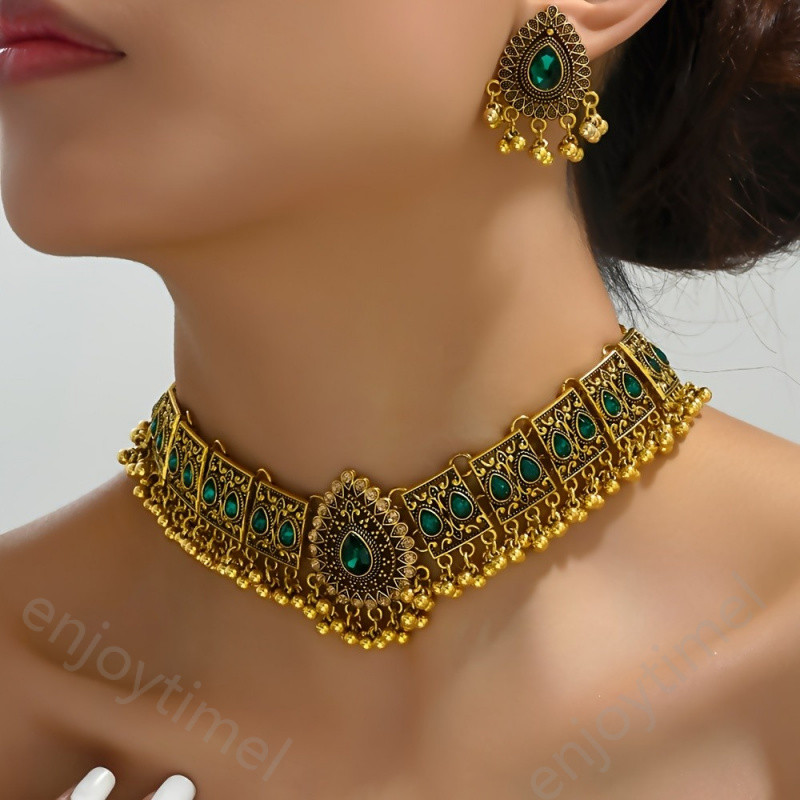
Bollywood Style 1 Pair Of Earrings + 1 Necklace Vintage Jewelry Set Retro Design Inlaid Gemstone Match Daily Outfits Party Accessories
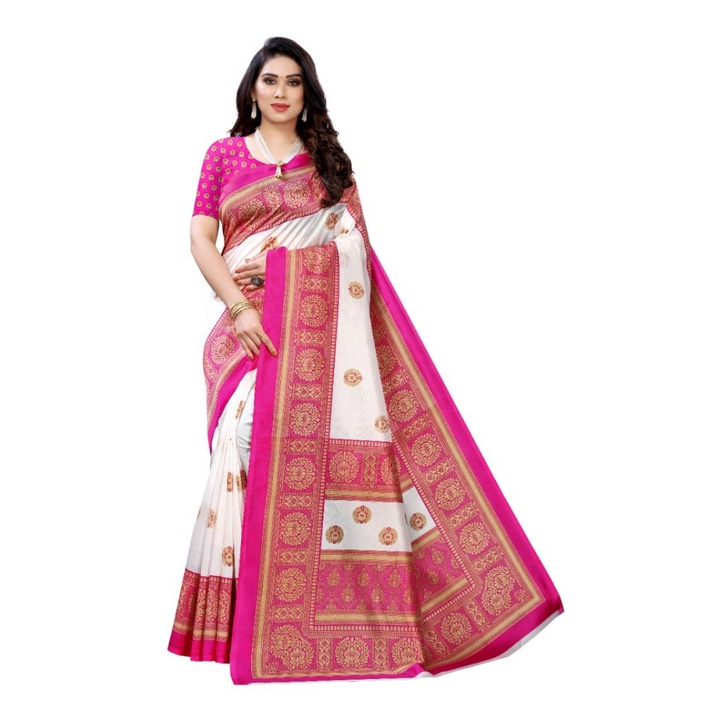
Ready stock lotus design indian saree
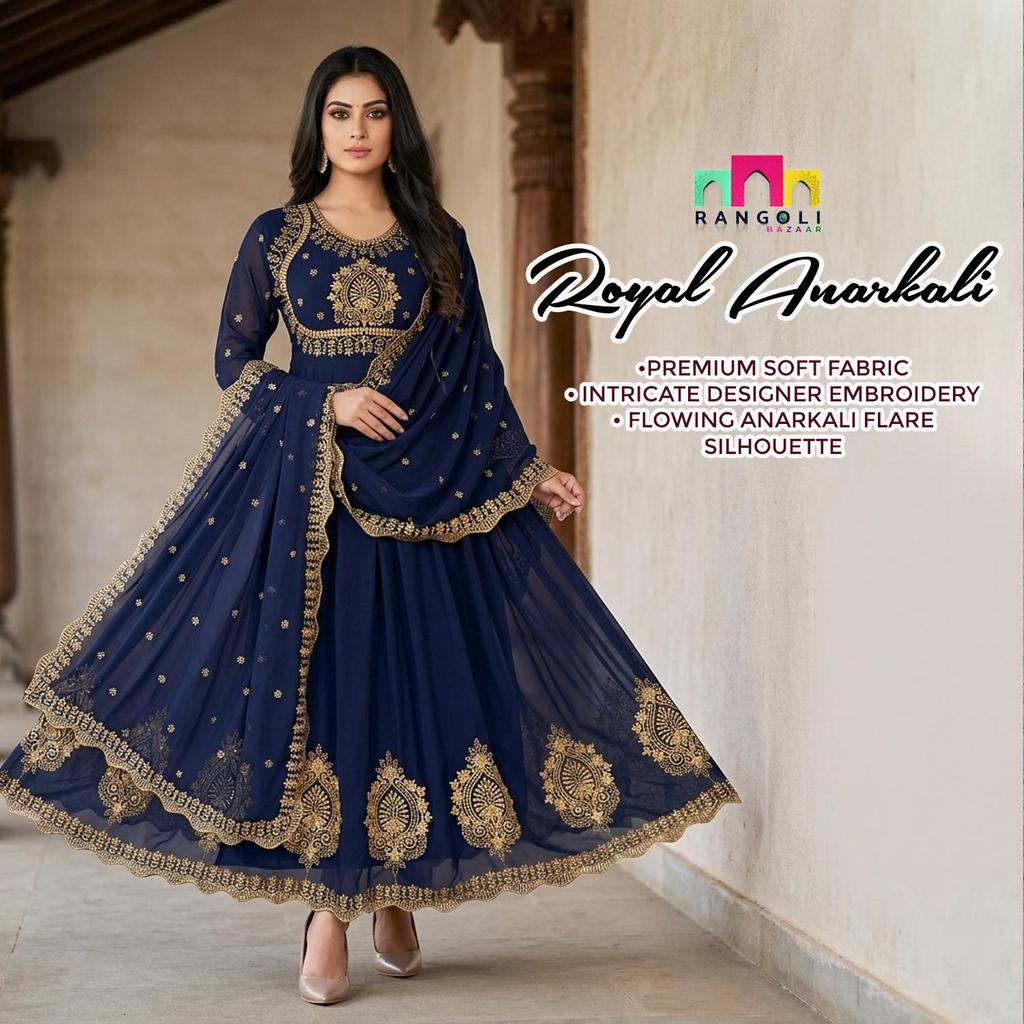
Royal Heritage Embroidered Anarkali Gown for Women | Premium Festive Wear by RANGOLI BAZAAR

Indian Wedding Forehead Netti Pattam & Hand Wrist Pattam Gold Plated Traditional Bridal Ceremony Set