


Ashoka Ashtami is a spiritually significant day observed on the eighth lunar day (Ashtami) following the new moon in the month of Panguni (Chaitra). Rooted in devotion and ancient belief, this day is dedicated to seeking relief from life’s difficulties and inviting peace, prosperity, and emotional well-being.
On this sacred occasion, prayers and respect are offered to the Ashoka tree and to Lord Shiva. In Hindu tradition, every tree is believed to hold divine energy, and the Ashoka tree is particularly associated with removing sorrow and bringing happiness. It is widely believed that the tree itself has a divine origin, emerging from Lord Shiva, and that worshipping it invokes his blessings.
Devotees perform simple yet meaningful rituals. Milk is poured at the roots of the Ashoka tree, followed by offerings of sandalwood and saffron. Lamps are lit, prayers are offered, and the atmosphere is filled with quiet devotion. Women observe this day with faith, often applying henna on their hands as a symbol of auspiciousness and inner joy.
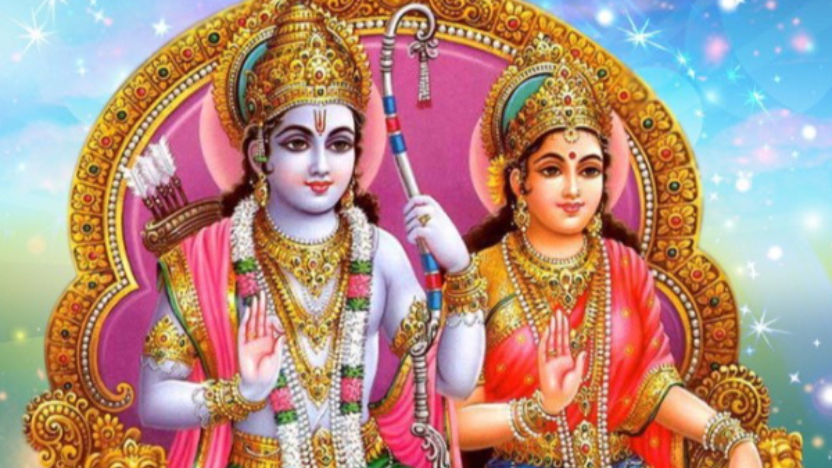
The significance of the Ashoka tree is deeply embedded in sacred texts and legends. According to the Puranas, the tree, like the Rudraksha, is believed to have originated from the divine energy of Lord Shiva. Another widely known reference comes from the Ramayana, where Sita was held captive in the Ashoka Forest of Lanka. It is said that Hanuman first found her beneath this very tree, making it a symbol of hope, protection, and endurance during times of distress.
There are also beliefs that when Sita Devi left the Ashoka forest, she blessed the tree, granting it the power to protect those who embrace it with sincerity. This connection further elevates the tree as a source of divine grace and feminine strength.
References in the Garuda Puranam highlight the spiritual benefits of observing a fast on this day, especially when aligned with the Punarvasu star. It is said that such observances help cleanse past difficulties and bring emotional and spiritual relief.
From a traditional living perspective, the Ashoka tree also holds importance in Vastu Shastra. Planting it in the northern direction of a home is believed to enhance positive energy, remove imbalances, and promote prosperity and harmony within the household.
The observance of Ashoka Ashtami often begins early in the morning with a ritual bath. Devotees offer Ashoka leaves to the Shivalingam, perform circumambulation around the tree, and light a ghee lamp. Sitting in its presence, many choose to read verses from the Ramayana, allowing the mind to settle into reflection and devotion.
Source : KalkiOnline , IBC Bakthi