
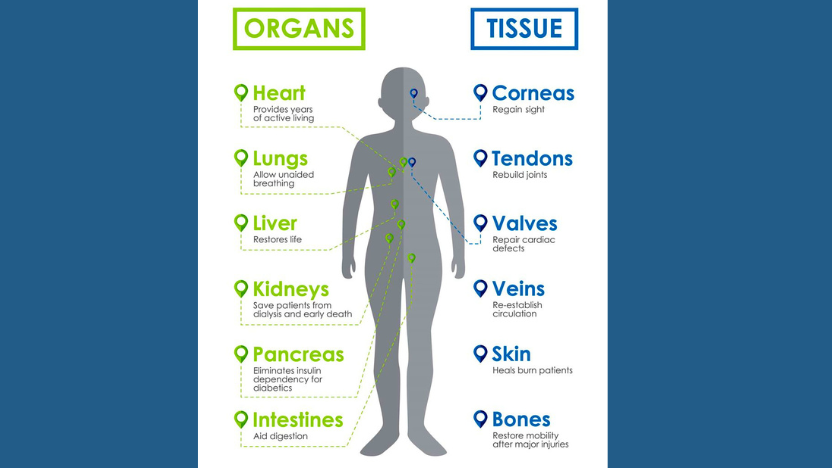
Organ donation remains one of the most meaningful ways to give back to society, offering hope and a second chance at life to those in need. It is estimated that a single donor can save up to eight lives through the donation of vital organs and tissues.
In Malaysia, individuals can choose to become organ donors either after death or while still alive, subject to specific medical and legal guidelines.
Understanding organ donation options in Malaysia
There are two primary pathways for organ donation:
Deceased donation (posthumous donation) allows individuals to pledge their organs and tissues after death.
Living donation involves donating an organ or part of an organ while the donor is still alive, typically under strict medical supervision.
How to register as a deceased organ donor?
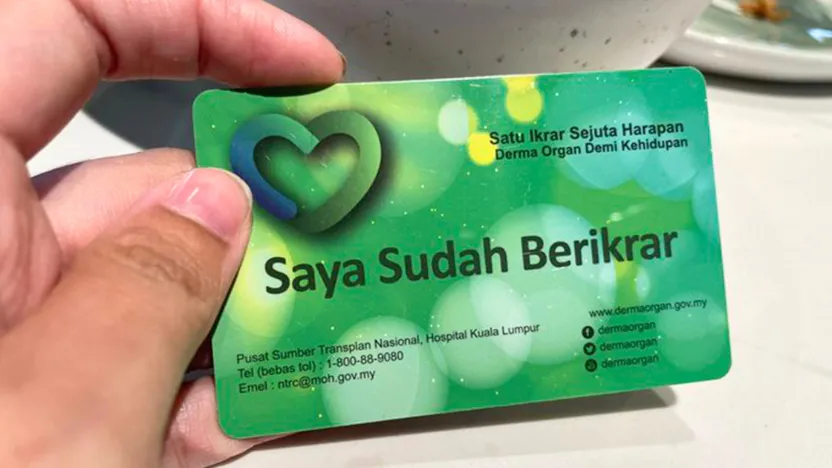
Registering as a deceased donor is a straightforward process and can be done through several official channels:
- Via the MySejahtera application
Users can access the “Organ Donor Pledge” section within the app and complete the registration digitally.
- Through the official Derma Organ portal
Online registration is available for those who prefer using a web platform.
- Manual registration at government healthcare facilities
Individuals may visit public hospitals or health clinics to complete a physical form.
- Family consent remains essential
Although individuals may register as organ donors, consent from the next of kin is still required before organ retrieval can proceed. For this reason, it is important to communicate your decision clearly with family members to ensure your wishes are respected.
Living organ donation in Malaysia is strictly regulated to ensure ethical practices and donor safety.
- Eligibility
Living donors are generally limited to immediate family members such as parents, siblings, or children, as well as legal spouses.
- Unrelated donors
Donation to non-family members may be considered under special circumstances, subject to approval by the Unrelated Transplant Approval Committee (UTAC).
- Medical process
Potential donors cannot apply independently. The process must be initiated by a qualified medical professional, who will assess suitability and submit the necessary application.
Key health and safety considerations
- No financial cost
Organ donation is a voluntary act. There are no charges imposed on donors or their families for the donation process.
- Religious perspective
All major religions in Malaysia, including Islam, Buddhism, Christianity, Hinduism, and Sikhism, recognise organ donation as a charitable and humanitarian act.
- Age considerations
There is no upper age limit for organ donation pledges. However, individuals below 18 years of age must obtain parental consent.
- Medical eligibility
Certain medical conditions, including infectious diseases such as HIV, Hepatitis B or C, and Syphilis, may disqualify individuals from donating organs.
Organ donation is more than a medical procedure, it is a life-saving contribution that can transform multiple lives. By registering and discussing your intentions with loved ones, you can play a vital role in addressing the ongoing need for organ donors in Malaysia.