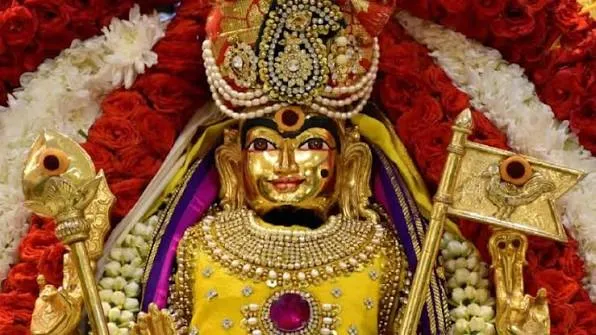
For devotees of Lord Murugan, Skanda Sashti is more than a festival. It is a period of prayer in the celebration of the Lord’s victory over evil. In 2026, the 48-day viratham begins on September 29, followed by the principal six-day Skanda Sashti observance from November 10 to November 15.
The six-day period concludes with Soora Samharam on November 15, commemorating Lord Murugan’s victory over the asura Soorapadman with His divine Vel. The following day, November 16, devotees celebrate Thirukalyanam, the divine wedding of Lord Murugan.
Skanda Sashti 2026: Important Dates
48-day Viratham begins: September 29, 2026
Six-day principal Viratham: November 10–15, 2026
Soora Samharam: November 15, 2026
Thirukalyanam: November 16, 2026
So, what does Skanda Sashti represent?
Skanda Sashti is traditionally associated with Lord Murugan’s battle against Soorapadman and the triumph of dharma over adharma. The story is remembered as a powerful reminder that courage, righteousness and divine grace can overcome darkness and negativity.
For devotees, the viratham is also an opportunity to turn inward to practise discipline, control the senses, strengthen faith and spend more time in prayer.
How can you begin the 48-day Murugan Viratham?
For many devotees, beginning the viratham is a personal spiritual commitment rather than simply a period of fasting. On the first day, devotees may:
- Take a head bath and wear clean clothes
- Light a lamp before Lord Murugan
- Offer prayers and mentally take the 48-day vow
- Recite prayers or mantras dedicated to Murugan
- Listen to or read Kanda Sashti Kavasam, Thiruppugazh or Velmaral
- Some devotees may wear a sacred mala as a symbol of their vow
However, wearing a mala or following a particular ritual is not universal. Devotees can follow the practices prescribed by their family tradition, temple or spiritual guide.
What kind of fasting can devotees observe?
There is no single fasting method followed by everyone. Devotees choose their form of viratham based on their health, age, circumstances and tradition. Some commonly followed forms include:
- Oru Velai Sapadu – one simple vegetarian meal a day
- Paal Viratham – observing the fast with milk
- Paal Pazham Viratham – consuming milk and fruits
- Elaneer Viratham – consuming tender coconut water
- Other forms of simple vegetarian fasting and dietary discipline
More restrictive forms of fasting should not be treated as compulsory, particularly for children, older adults, pregnant women or anyone with a medical condition. Devotion does not require someone to compromise their health. The viratham is not only about food.
Devotees may dedicate time each day to prayer, chanting and reflection. Kanda Sashti Kavasam, Thiruppugazh, Velmaral and the mantra “Om Saravanabhava” are among the devotional practices associated with Lord Murugan.
The six-syllable mantra “Saravanabhava” is traditionally regarded as a powerful Murugan mantra, with devotees chanting it as an expression of faith, surrender and devotion.
One of the most beautiful ways to observe a spiritual vow is by extending compassion to others. During the 48 days, devotees can consider:
- Offering food to those in need
- Supporting an annadhanam
- Helping children with their educationDonating to someone facing hardship
- Helping elderly or vulnerable people
- Performing acts of kindness without expecting anything in return
The essence of a viratham is not simply what we give up, but also what we give to others.
For devotees praying for a child
Some devotees undertake Kandha Sashti viratham with prayers for children and family blessings. Depending on family and temple traditions, devotees may perform special Murugan prayers, light lamps, recite Kanda Sashti Kavasam and chant “Om Saravanabhava” with a specific prayer in mind.
Practices such as drawing or worshipping the six-pointed star and performing particular Thiruppugazh recitations may also be followed in certain traditions.
There is no single ritual that applies to every devotee. Those undertaking the viratham for a specific prayer may follow the guidance of their family purohit, temple priest or spiritual teacher.
Why does Lord Murugan have six faces?
Lord Murugan is often worshipped as Arumugam or Shanmugan, the six-faced form of the deity. The six faces can be understood through different layers of Hindu spiritual symbolism. In Thirumurukatrupadai, poet Nakkirar describes the divine functions associated with Murugan’s six faces, including illuminating the world, blessing devotees, protecting sacred practices, teaching, destroying evil and supporting the divine purpose.
The six faces are therefore not merely a physical representation. They are also understood as symbols of the many dimensions of divine wisdom, protection and grace.
The six Arupadai Veedu and their spiritual significance
Lord Murugan’s six sacred abodes, known as the Arupadai Veedu, hold a special place in Tamil devotional tradition. They are:
1. Thiruparankundram
2. Thiruchendur
3. Palani
4. Swamimalai
5. Thiruthani
6. Pazhamudircholai
In certain spiritual interpretations, these six sacred temples are also associated with the six chakras or stages of spiritual awakening:
- Thiruparankundram – Mooladharam
- Thiruchendur – Swadhishthanam
- Palani – Manipurakam
- Swamimalai – Anahatham
- Thiruthani – Vishuddhi
- Pazhamudircholai – Ajna
For many devotees, the 48-day period is a time to consciously change everyday habits. It can mean eating simply, speaking mindfully, controlling anger, avoiding unnecessary negativity, dedicating more time to prayer and trying to live with greater compassion. The real challenge of a viratham is therefore not simply going without certain foods. It is learning to discipline the mind.
After days of prayer and preparation, devotees reach the most significant moment of Skanda Sashti, Soora Samharam. The symbolic destruction of Soorapadman by Lord Murugan’s Vel represents the triumph of good over evil and wisdom over ignorance.
The following day, Thirukalyanam celebrates Murugan’s divine wedding, bringing the six-day observance to a joyful conclusion. As the 48-day viratham begins on September 29, 2026, devotees can use the period not only to seek Lord Murugan’s blessings. Vel Vel Muruga! Vetri Vel Muruga!
Source : aumsai.wordpress , vikatakavi.in
Image Credit :
You may be interested in

Bollywood Style 1 Pair Of Earrings + 1 Necklace Vintage Jewelry Set Retro Design Inlaid Gemstone Match Daily Outfits Party Accessories
Ethnic Retro Corful Peacock Jhumka Earrings Womens Indian Jewelry Flower Gold Bell Tassel White Pearl Earrings

Indian Wedding Forehead Netti Pattam & Hand Wrist Pattam Gold Plated Traditional Bridal Ceremony Set

Ready stock lotus design indian saree