After nine sacred nights of devotion, prayer and worship during Navaratri, devotees welcome Vijayadashami, the tenth day that symbolises the triumph of good over evil. But beyond the celebrations and rituals, this auspicious day carries a deeper spiritual message: true victory is not merely about conquering external challenges, but also about rising above the qualities that hold us back from inner peace and liberation.
The word Vijayadashami brings together two Sanskrit words, vijaya, meaning victory, and dashami, referring to the tenth day. Also known as Dasara or Dussehra, the festival reminds devotees that no matter how powerful darkness may appear, goodness, truth and righteousness can ultimately prevail.
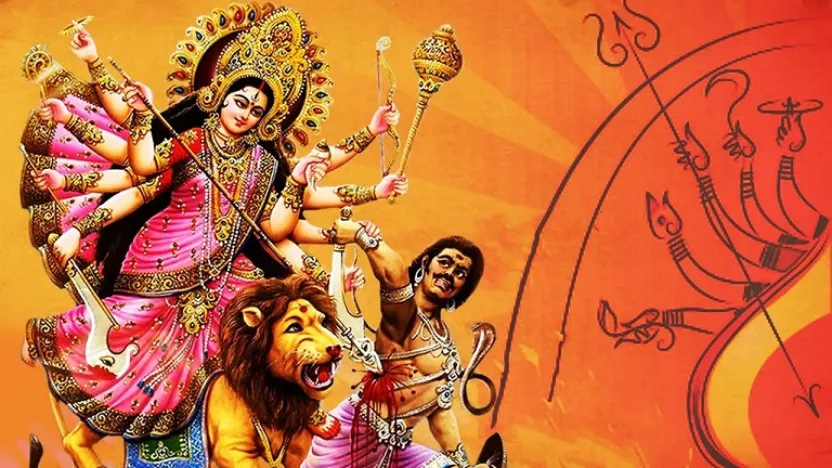
Navaratri has been celebrated for generations as a period of devotion to Devi, the Divine Mother. One of the central stories associated with Vijayadashami is the victory of Goddess Durga over Mahishasura, the buffalo demon.
According to Hindu tradition, Goddess Durga appeared riding a lion and fought Mahishasura to restore righteousness. Her victory represents the triumph of divine power over destructive forces and reminds devotees of the strength that faith, courage and righteousness can bring into their lives.
Vijayadashami is therefore not only a celebration of the Goddess's victory, but also an invitation to reflect on the battles within us. Anger, pride, greed and ignorance can become obstacles on our spiritual journey. Through prayer, self-discipline and devotion, we are reminded to recognise these tendencies and work towards overcoming them.
Vijayadashami is also associated with Lord Rama's victory over the ten-headed demon king Ravana, who had abducted Mother Sita. Rama's triumph is celebrated as the victory of righteousness over evil.
The story carries a timeless lesson: power and knowledge alone do not make a person righteous. What matters is how these qualities are used. Lord Rama's journey reminds devotees of the importance of truth, duty, courage and devotion, even when the path ahead is difficult.
The defeat of Ravana also encourages us to look inward. The external battle may have ended, but the responsibility to overcome our own negative tendencies continues throughout life.
One of the deeper spiritual teachings associated with Navaratri is the understanding of the three gunas, or fundamental qualities of nature: tamas, rajas and sattva.
The nine days of Navaratri are traditionally understood in this spiritual framework, with each group of three days associated with a different quality and aspect of the Divine Mother.
The first three days are associated with tamas and the fierce forms of the Goddess, such as Durga and Kali. The next three days are associated with rajas and Goddess Lakshmi, who represents prosperity, abundance and material well-being. The final three days are associated with sattva and Goddess Saraswati, who represents knowledge, wisdom and enlightenment.
Each quality has a different influence on how we think, act and experience life. Tamas is associated with inertia and darkness, rajas with activity and desire, and sattva with harmony and clarity.
These qualities can shape our lives in different ways. Our spiritual journey, however, is not simply about replacing one quality with another. It is about recognising their influence without becoming entirely controlled by them. The deeper significance of Vijayadashami lies in the idea of going beyond all three qualities.
As one spiritual teaching explains, investing in tamas, rajas or sattva may lead to different forms of strength and achievement. But when we move beyond all three, the goal is no longer simply power or worldly success. It becomes liberation.
After the nine days of Navaratri, Vijayadashami symbolises the victory of rising above these qualities. We learn to recognise and participate in the different aspects of life without allowing any one of them to define or control us.
This does not mean rejecting the world or its responsibilities. Rather, it encourages us to live with awareness, act with integrity and remain grounded in our spiritual values.
The ultimate aspiration is freedom from the attachments and tendencies that keep us bound, moving towards inner peace and liberation from the cycle of birth and death.
The spiritual message of Vijayadashami becomes meaningful when it moves beyond prayer and enters our everyday lives.
The guiding values of Sathya (truth), Dharma (righteousness), Shanti (peace), Prema (love) and Ahimsa (non-violence) encourage us to live with honesty, compassion and respect for others.
Being truthful when it is difficult, choosing kindness instead of anger, practising patience and showing gratitude are small but meaningful ways to put these teachings into action.
The festival also reminds us to approach life with reverence. When we learn to appreciate the people, experiences and opportunities around us, we begin to understand that success is not measured by achievements alone. The way we live, the values we uphold and the peace we cultivate within ourselves matter just as much.
Over the decades, Dasara and Navaratri celebrations at Prasanthi Nilayam have been closely associated with the Veda Purusha Sapthaha Jnana Yagna, a week-long sacrificial ritual conducted in the Divine Presence for the welfare of the world.
The yagna reflects the importance of Vedic traditions, prayer and collective spiritual aspiration. It also serves as a reminder that devotion is not solely a personal practice; it can be offered with the broader intention of peace, harmony and the well-being of all.
Vijayadashami celebrates the victories of Goddess Durga and Lord Rama, but its spiritual significance reaches far beyond the stories themselves. It invites us to examine our own lives, recognise the qualities that influence our actions and move towards a deeper understanding of ourselves.
The true victory may not always be visible to the world. Sometimes, it is the quiet decision to choose truth over convenience, love over resentment, peace over anger and gratitude over entitlement.
Source : Isha , currentaffairs.
You may be interested in

Ready stock lotus design indian saree

Bollywood Style 1 Pair Of Earrings + 1 Necklace Vintage Jewelry Set Retro Design Inlaid Gemstone Match Daily Outfits Party Accessories

Indian Wedding Forehead Netti Pattam & Hand Wrist Pattam Gold Plated Traditional Bridal Ceremony Set
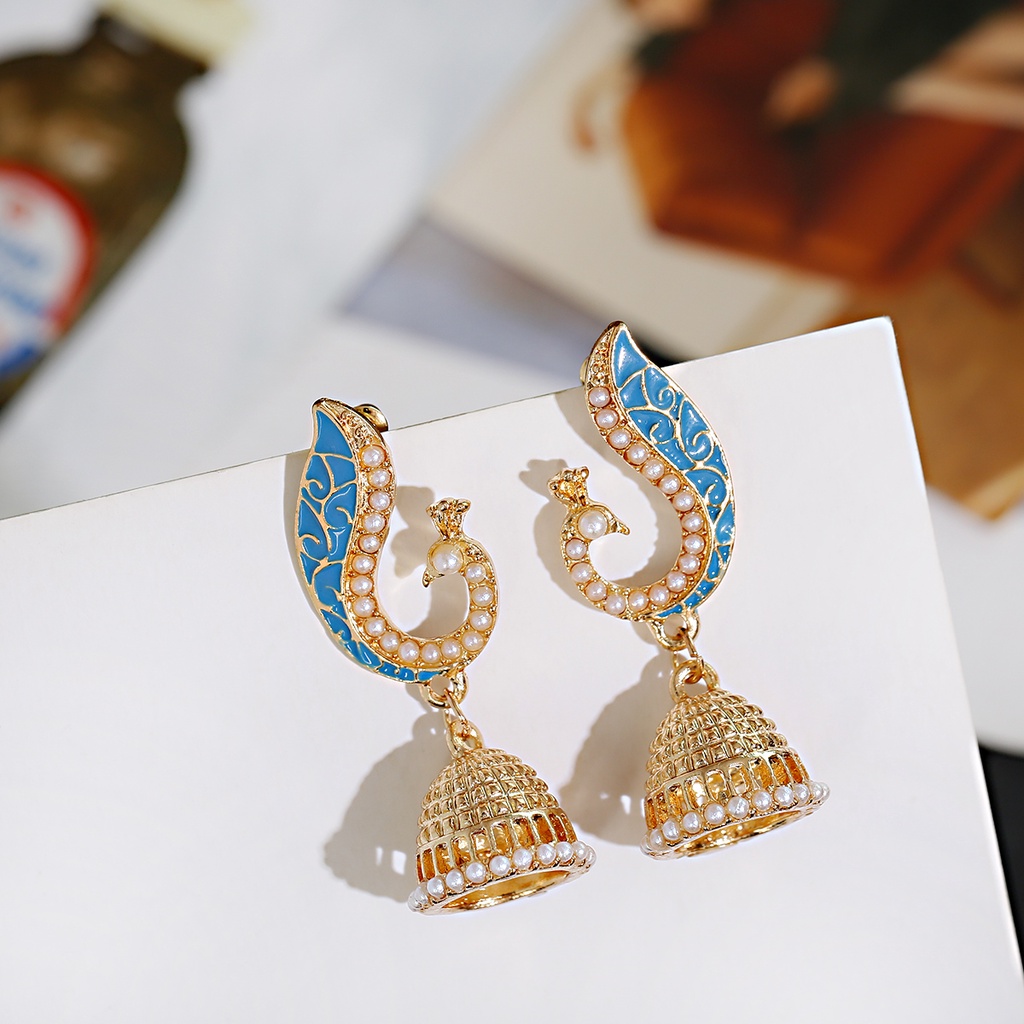
Ethnic Retro Corful Peacock Jhumka Earrings Womens Indian Jewelry Flower Gold Bell Tassel White Pearl Earrings