
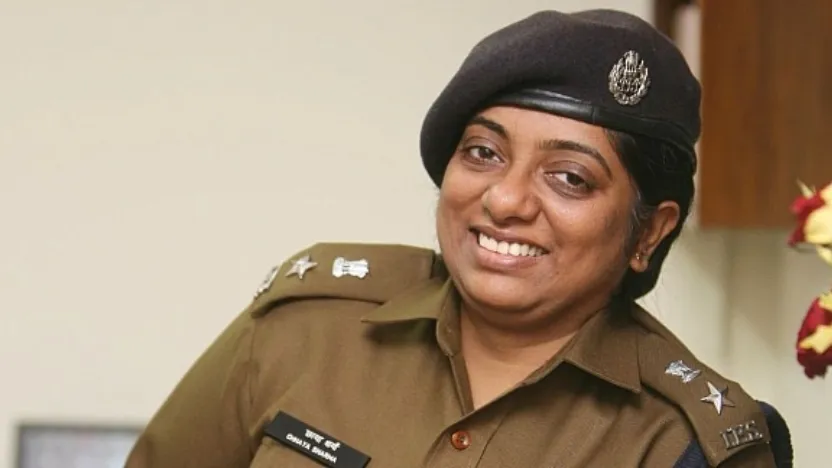
The world remembers Nirbhaya. Few remember the woman who made sure her attackers faced justice.
In December 2012, India was shaken by one of the most horrific crimes in its history. A 23-year-old physiotherapy student was brutally gang-raped and assaulted on a moving bus in Delhi before being left by the roadside. The attack sparked nationwide outrage, ignited protests across the country and became a turning point in India's conversation on women's safety.
While millions mourned the victim and demanded justice, another battle was unfolding behind closed doors.
Leading that battle was Chhaya Sharma, then Deputy Commissioner of Police for South Delhi.
With the entire country watching, the pressure on the investigation was immense. News channels carried round-the-clock coverage, public anger continued to grow and every passing hour without an arrest invited criticism of the police force. But Sharma refused to let the noise distract her team.
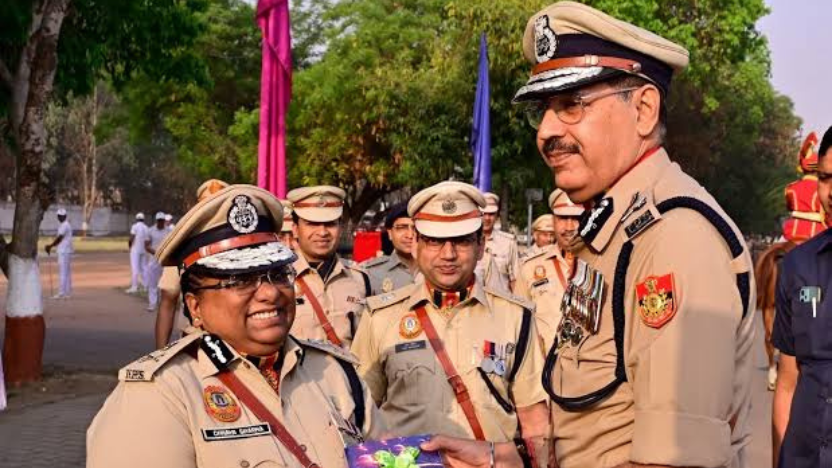
Instead of rushing the investigation to satisfy public pressure, she focused on what mattered most building a case that would withstand every legal challenge.
Over the next six days, her team tracked the accused across five Indian states. Every lead was followed carefully. Every witness statement was documented. Every piece of forensic evidence was handled with precision.
The result was swift. All the accused were arrested within days. Yet Sharma knew that making arrests was only the beginning.
Her team completed the charge sheet in just 18 days, an extraordinary achievement for a case of such complexity. More importantly, it was meticulously prepared, ensuring that every piece of evidence was legally sound.
That painstaking work proved crucial. The prosecution's case held firm through every stage of the judicial process, eventually reaching the Supreme Court of India, where the convictions and maximum punishments were upheld.
For many, justice arrived with the final verdict and for Chhaya Sharma, it was another responsibility fulfilled. She never sought the spotlight.
Instead, she continued serving in some of India's most demanding policing assignments, particularly in the fight against human trafficking. Over the years, she has led numerous operations that rescued children from trafficking networks and helped dismantle organised criminal syndicates exploiting vulnerable lives.
Her dedication eventually gained international recognition. In 2019, Sharma was awarded the International Women of Courage Award by the United States Department of State, joining a distinguished list of women recognised globally for extraordinary leadership, resilience and commitment to public service. Previous recipients have included education activist Malala Yousafzai and other women who have challenged injustice around the world.
Even with international honours, Sharma has remained known for her humility rather than publicity. The Nirbhaya case transformed India's legal landscape, leading to stronger laws on sexual violence, faster judicial processes in certain cases and a renewed national focus on women's safety.
Chhaya Sharma's journey reminds us of that justice rarely happens by chance. It is built through long hours, difficult decisions, teamwork and an unwavering commitment to doing the job properly even when the entire nation is watching.
Her story is not just about solving one of India's most significant criminal cases. It is about quiet leadership, resilience under extraordinary pressure and the belief that public service is measured not by recognition, but by the lives it changes.
Long after the headlines faded, Chhaya Sharma continued doing what she had always done, serving with integrity, courage and an unwavering commitment to justice.
Source / Image Credit : DailyGood , The Better India
You may be interested in
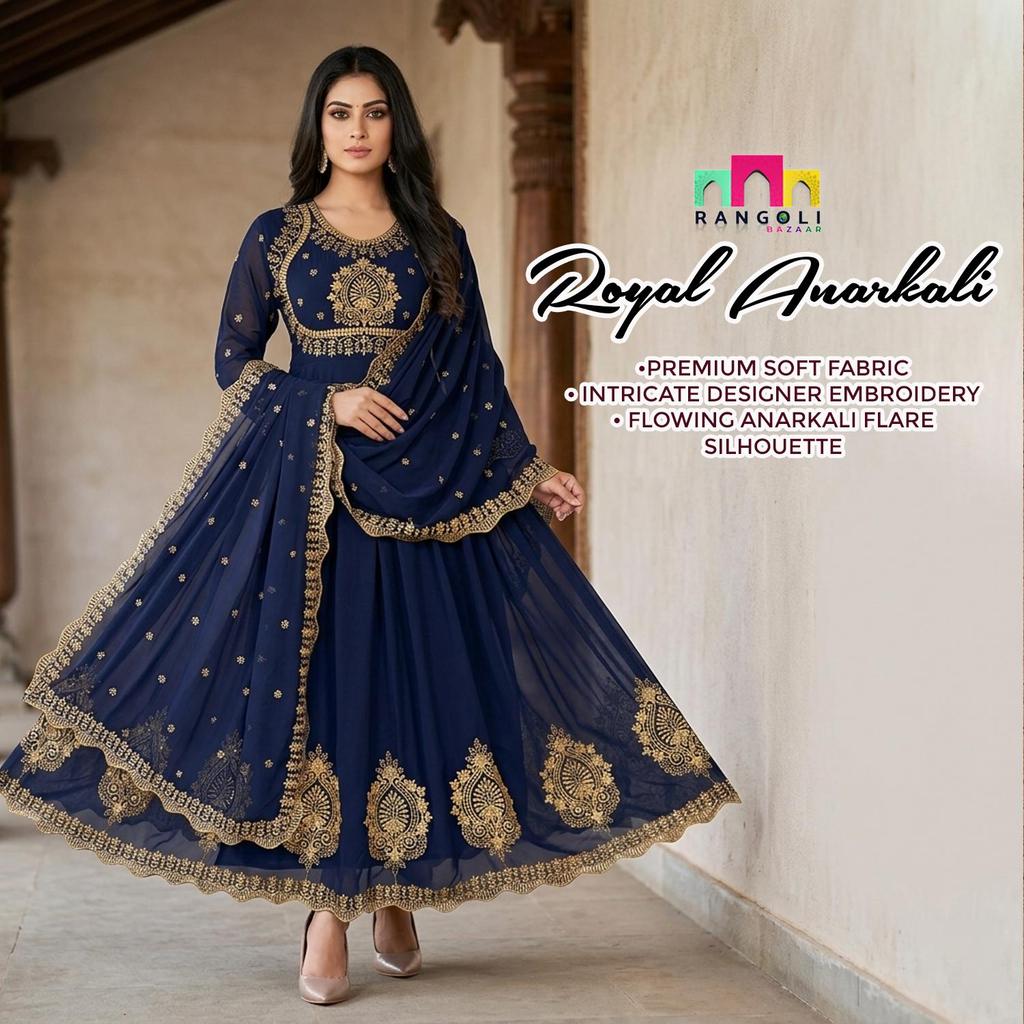
Royal Heritage Embroidered Anarkali Gown for Women | Premium Festive Wear by RANGOLI BAZAAR

Ready stock lotus design indian saree

Indian Wedding Forehead Netti Pattam & Hand Wrist Pattam Gold Plated Traditional Bridal Ceremony Set
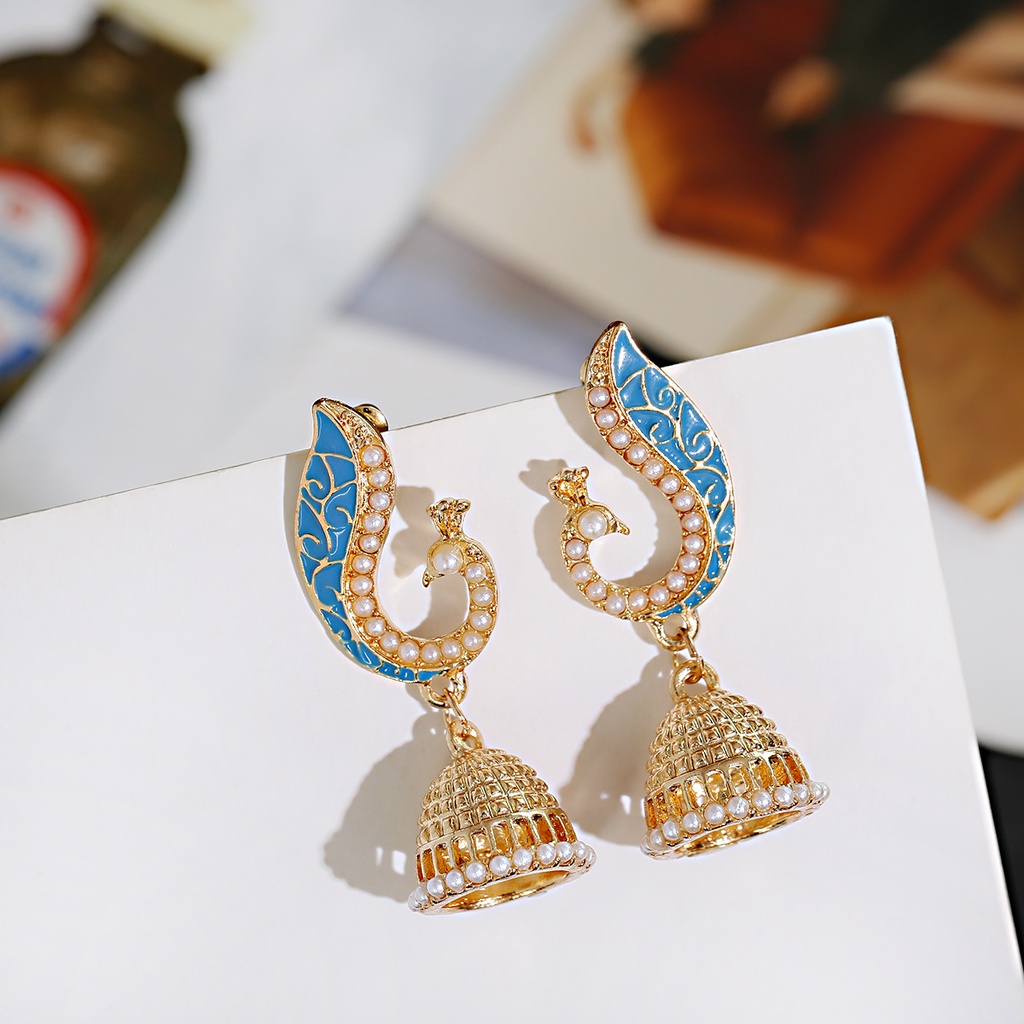
Ethnic Retro Corful Peacock Jhumka Earrings Womens Indian Jewelry Flower Gold Bell Tassel White Pearl Earrings