
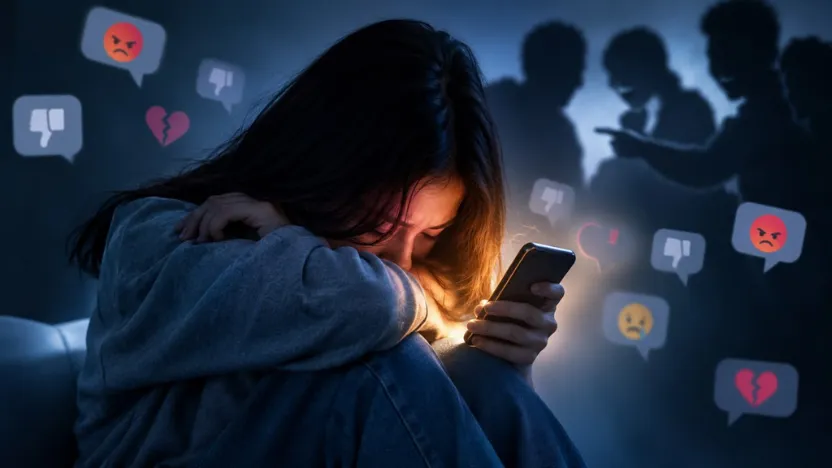
We live in a world where almost everyone has a voice online. With just a few taps, we can share our thoughts, express our opinions, react to someone's pictures or comment on almost anything happening around us.
But somewhere along the way, social media has also become a place where people feel increasingly comfortable being cruel.
A sarcastic remark, a humiliating comment, a screenshot shared without permission or a series of hateful messages might seem insignificant to the person posting them. To the person receiving them, however, the experience can be deeply painful. What some people consider entertainment can become another person's emotional burden.
Cyberbullying is no longer something we should brush aside as harmless online drama. Behind every social media account is a real person with feelings, struggles, insecurities, responsibilities and loved ones. And sometimes, the consequences of online cruelty can be far more serious than we realise.
Cyberbullying takes many forms. It can involve sending threatening messages, spreading rumours, posting humiliating content, making personal attacks, sharing private information or repeatedly targeting someone through social media platforms.
It can also happen through group chats, anonymous accounts, public comment sections and even seemingly harmless jokes that cross the line into humiliation. Unlike traditional bullying, online harassment does not necessarily end when someone leaves school, finishes work or returns home.
A hurtful post can remain online, be shared repeatedly and reach hundreds or thousands of people within minutes. For someone experiencing cyberbullying, there may be no immediate escape from the constant notifications, negative comments and fear of becoming the next subject of public ridicule.
Over time, this can affect a person's confidence, emotional well-being, relationships and ability to go about their daily life. One of the biggest problems with online behaviour is how easily people separate their actions from their consequences. Behind a screen, it becomes easier to say things that many would hesitate to say face-to-face.
Some people participate in online attacks simply because everyone else is doing it. Others leave cruel comments because they find someone's situation amusing or believe that public figures, strangers and even people they personally know should be able to tolerate criticism.
But having access to someone's social media profile does not give anyone permission to humiliate, threaten or emotionally abuse them. We also need to understand that freedom of expression does not mean freedom from responsibility.
There is a difference between offering constructive criticism, disagreeing with someone's opinion and deliberately attacking their appearance, family, personal circumstances or dignity. Not every thought needs to become a public comment, and not every disagreement needs to turn into a personal attack.
Perhaps the most concerning aspect of cyberbullying is its potential impact on mental health. People experiencing prolonged online harassment may struggle with anxiety, emotional distress, depression, social withdrawal, sleep difficulties and feelings of isolation.
Some may begin questioning their self-worth, withdrawing from people they trust or feeling that everyone is judging them. For others, the constant humiliation and emotional pressure may become overwhelming.
There have been tragic cases in which people who experienced bullying and online harassment subsequently died by suicide. While suicide is complex and rarely has a single cause, cyberbullying can intensify existing emotional distress and contribute to a person's sense of hopelessness.
This is why we should never dismiss online harassment simply because it happens behind a screen. We may never know what someone is experiencing privately, how much they have endured or how difficult it has become for them to face another day.
A person who appears happy in photographs or continues posting regularly may still be struggling emotionally. We should never wait until a tragedy happens before taking someone's emotional well-being seriously.
Another troubling behaviour on social media is how quickly a disagreement involving one person can turn into a collective attack. One individual upload a post, another shares it, someone else adds a mocking comment and before long, hundreds of strangers begin participating.
Some may not even understand the original situation. Others simply join in because the post is trending or because they want to be part of the conversation. In such circumstances, a person's mistake, private matter or personal struggle can become public entertainment. Even those who do not create the original hateful content can contribute to the harm by sharing it, laughing at it, encouraging others or repeatedly bringing it back into public discussion.
Before sharing someone else's embarrassing photograph, private conversation or personal information, ask yourself whether it is necessary. Does it educate anyone? Does it help resolve the situation? Or does it simply expose another person to more humiliation? Sometimes, choosing not to share something is the most responsible thing we can do.
What can we do to stop cyberbullying?
Stopping cyberbullying does not always require a major campaign or complicated action. It begins with the way we behave online.
Here are a few things everyone can practise:
1. Think before commenting. Read your words again before posting. If they are intended to humiliate, insult or hurt someone, do not publish them.
2. Stop sharing humiliating content. Do not forward private conversations, embarrassing photographs or videos simply because they are circulating online.
3. Do not encourage online harassment. Avoid liking, laughing at or participating in comment threads that deliberately target someone.
4. Report abusive behaviour. Use social media reporting tools to flag threatening, harassing or harmful content instead of allowing it to spread unchecked.
5. Support the person being targeted. A simple private message asking whether someone is okay can remind them that they are not facing the situation alone.
6. Speak up responsibly. If you witness cyberbullying, do not join the attack. Where safe, challenge the behaviour, preserve relevant evidence and seek help from the appropriate authorities or platform.
7. Be mindful of your own behaviour. Just because a comment is made as a joke does not mean it cannot hurt someone. Learn to recognise when humour crosses the line.
If you are experiencing cyberbullying, you are not alone
For anyone currently experiencing online harassment, remember that you do not have to face it alone. Being targeted does not mean you deserve the treatment you are receiving, and you do not have to prove your worth to people who deliberately want to bring you down.
Consider keeping screenshots and records of abusive messages, blocking or restricting accounts responsible for harassment, reporting harmful content and reaching out to someone you trust. If the situation is affecting your emotional well-being, consider speaking to a mental health professional or counsellor.
If you feel unsafe or are having thoughts of harming yourself, seek immediate support from someone you trust and contact emergency or crisis services. Most importantly, do not allow the cruelty of strangers or the opinions of people online to define your worth.
We often talk about kindness, respect and compassion, but these values should not disappear when we pick up our phones. The person you are mocking could be someone's daughter, son, mother, father, sibling or friend. They may be going through circumstances you know nothing about. You might forget a comment within seconds of posting it, but the person reading it could carry that hurt long after you have moved on.
We cannot control everything people say or do online, but we can take responsibility for our own actions. Before typing something hurtful, ask yourself whether you would say the same words if that person were standing directly in front of you.
Before sharing someone's painful experience, consider whether you are helping them or making their situation worse. And before joining an online attack, remember that popularity, likes and laughter are never worth another person's suffering.
Social media should be a space for connection, expression and meaningful conversations, not a place where people are made to feel worthless. A comment may take only a few seconds to type, but its impact can last much longer. Think before you type. Choose kindness over cruelty. You never truly know what someone is going through behind the screen.
You may be interested in

Indian Wedding Forehead Netti Pattam & Hand Wrist Pattam Gold Plated Traditional Bridal Ceremony Set

Ethnic Retro Corful Peacock Jhumka Earrings Womens Indian Jewelry Flower Gold Bell Tassel White Pearl Earrings

Ready stock lotus design indian saree

Royal Heritage Embroidered Anarkali Gown for Women | Premium Festive Wear by RANGOLI BAZAAR