
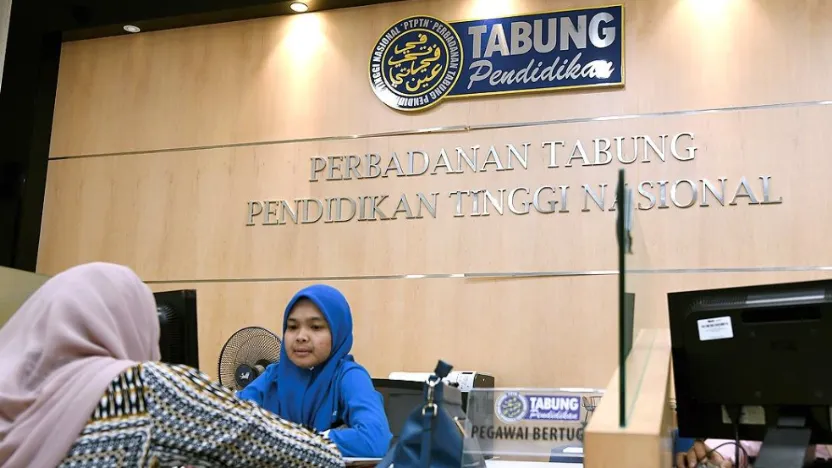
Fresh graduates entering the workforce may get some breathing room when it comes to repaying their study loans, following the introduction of more flexible repayment arrangements under Budget 2027.
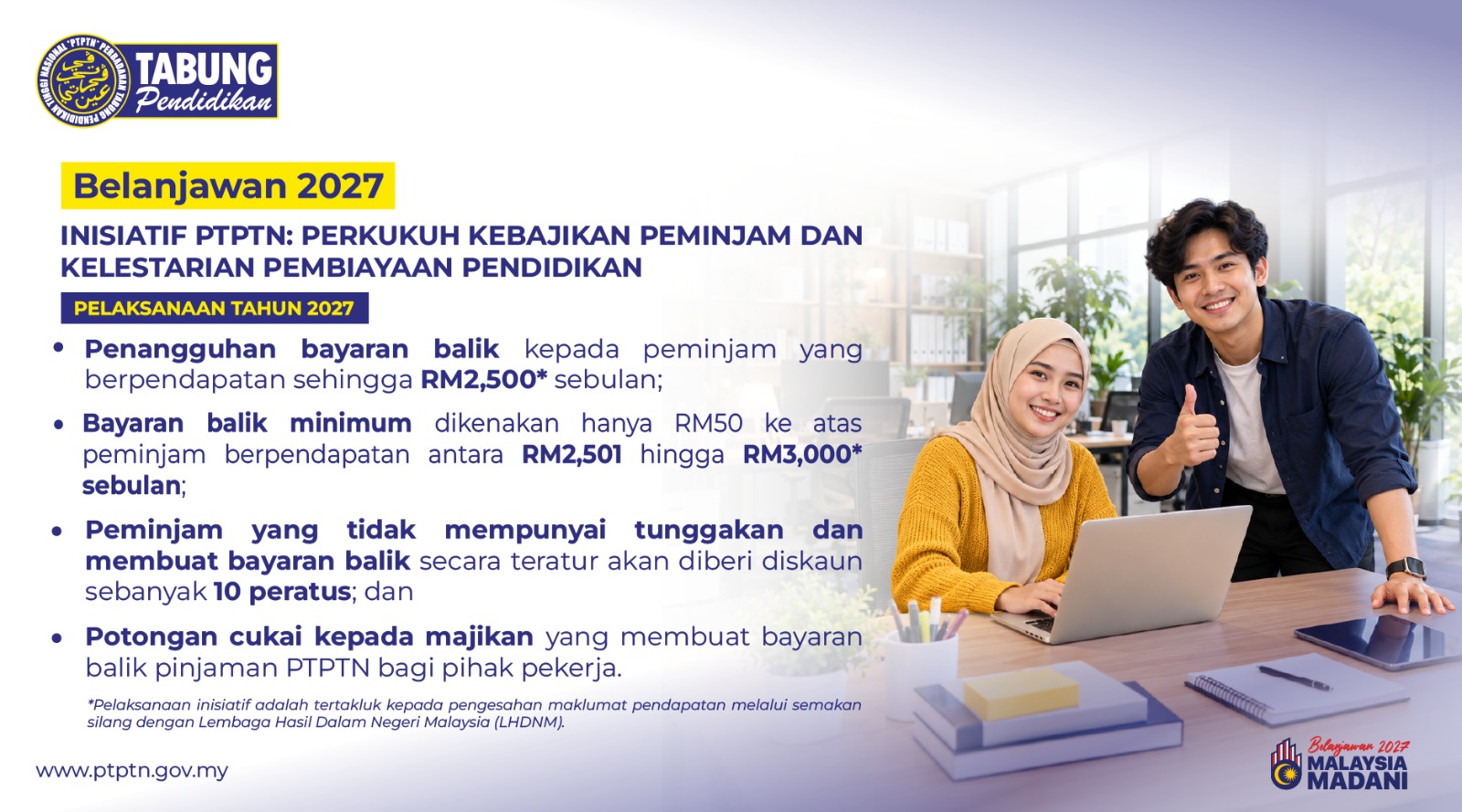
Under the initiative, graduates earning between RM2,501 and RM3,000 a month will only need to make a minimum monthly repayment of RM50 for their National Higher Education Fund Corporation (PTPTN) loans. Those earning below RM2,500 will not be required to begin repayments until their income reaches the stipulated threshold.
Deputy Higher Education Minister Adam Adli Abdul Halim said the initiative is expected to benefit more than 400,000 borrowers, helping ease the financial pressure faced by graduates as they begin their careers and adjust to the cost of living.
In a recent interview with a local radio station, he said the measure addresses a long-standing concern among borrowers who may struggle to balance loan repayments with their everyday expenses. He added that the flexible repayment initiative, which had been discussed for years, could now be implemented through Budget 2027.
Beyond PTPTN repayments, the government is also looking to ease the financial pressures faced by students while they are still pursuing their studies. Adam Adli said the Dapur Siswa Madani initiative, which provides centralised cooking facilities on campuses, will be expanded to polytechnics and teacher education institutes (IPGs) next year.
An allocation of RM20 million has been provided to supply essential food items, including rice, cooking oil, eggs and sardines, to the kitchens. The initiative allows students to prepare their own meals individually or in groups, with arrangements coordinated alongside student associations or kitchen managers. By making basic ingredients available, the programme aims to help students manage their food expenses more effectively.
For students living away from home, access to affordable ingredients and shared cooking facilities could offer a practical way to stretch their monthly budgets.
My50, MyKomuter50 and higher FlySiswa assistance
Transportation support will also continue under the measures outlined by the deputy minister.
The My50 public transport pass will remain available, while MyKomuter50 will be introduced for users of Keretapi Tanah Melayu Berhad (KTMB) commuter services. Students who rely on public transport for their daily journeys could benefit from these arrangements.
Meanwhile, eligible students travelling between Peninsular Malaysia and Sabah or Sarawak for study-related purposes will receive increased assistance under the FlySiswa programme.
The annual assistance will rise from RM400 to RM500 per eligible student to help cover flight tickets.
For students studying far from their families, the increase could help reduce some of the financial burden associated with travelling home or making necessary study-related journeys.
Taken together, the measures outlined by the deputy minister address several challenges faced by students and fresh graduates, from managing education loan repayments to paying for food, transportation and travel.
The proposed PTPTN repayment flexibility could be particularly relevant to graduates starting out on lower salaries, while the expanded campus cooking initiative and transportation assistance aim to ease costs during their studies.
At the same time, the continued emphasis on TVET highlights the importance of equipping young people with skills that match the needs of a changing job market. For students and fresh graduates navigating the transition from education to working life, these initiatives could provide additional support as they work towards greater financial independence.
Image Credit : Bernama
Source : NST
You may be interested in

Indian Wedding Forehead Netti Pattam & Hand Wrist Pattam Gold Plated Traditional Bridal Ceremony Set

Ethnic Retro Corful Peacock Jhumka Earrings Womens Indian Jewelry Flower Gold Bell Tassel White Pearl Earrings

Royal Heritage Embroidered Anarkali Gown for Women | Premium Festive Wear by RANGOLI BAZAAR

Ready stock lotus design indian saree