

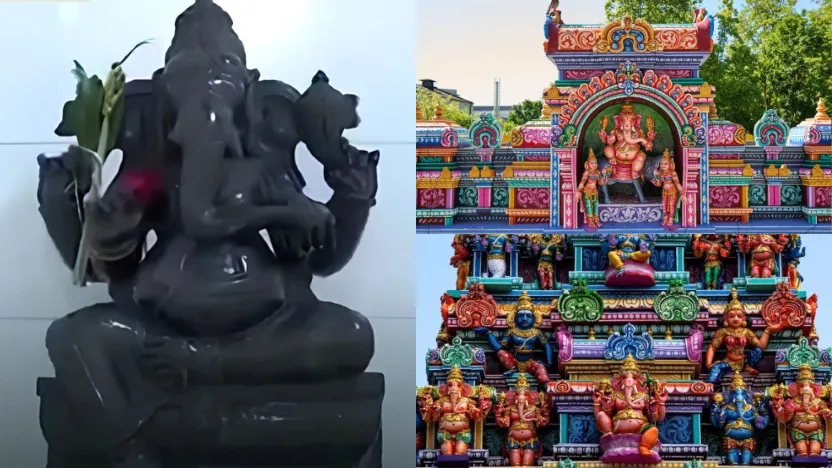
For thousands of Hindus living in Germany, June 7, 2026, was more than just the opening of a temple. It was the fulfilment of a dream that began more than two decades ago.
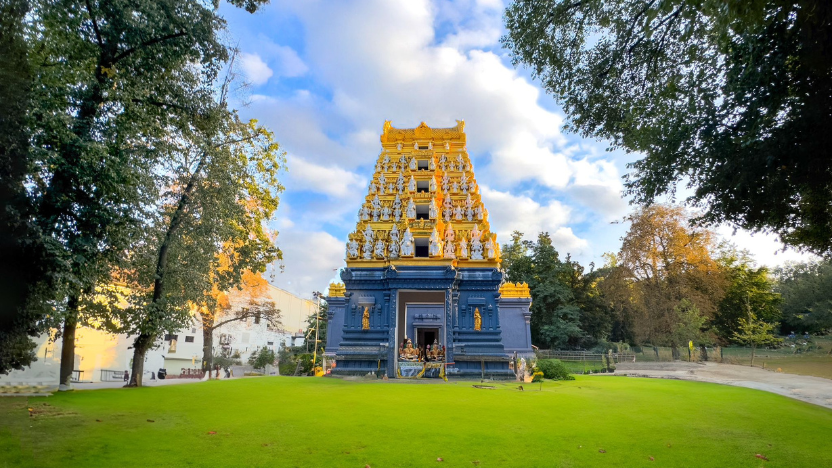
In a historic moment for Berlin’s Hindu community, the Sri Ganesha Temple in Neukolln officially opened its doors following a grand five-day consecration ceremony, emerging as one of the largest Hindu temples in Europe.
Located beside Hasenheide Park, the temple's towering 17-metre vimana now rises above the Berlin skyline, shows not only devotion to Lord Ganesha but also the journey of a community that worked tirelessly to make this vision a reality.
The story of the temple began in September 2005 when its foundation stone was laid. Years later, construction gained momentum, supported by devotees, volunteers and craftsmen determined to create an authentic South Indian temple in the heart of Germany.
Black granite specially imported from Tamil Nadu was hand-carved by traditional Indian stonemasons, ensuring the temple reflected the rich architectural heritage of South India. In 2015, the first gopuram tower appeared above the neighbourhood, offering the community a glimpse of what was to come.
For many members of Berlin’s Tamil Hindu community, including families with roots in India and Sri Lanka, the temple represents much more than a place of worship.
It represents identity, belonging and continuity.
After years of fundraising, planning and construction, the temple's completion became a symbol of how faith can unite people across generations and continents.
The official inauguration was marked by a five-day festival held from June 3 to June 7. Priests from India and various European countries gathered to perform sacred rituals culminating in the Mahakumbhabhishekam, one of the most important ceremonies in Hindu temple tradition.
In a powerful symbolic moment, holy water from the River Ganga and water collected from Berlin were poured over the temple's vimana using a crane, signifying the spiritual connection between ancient Indian traditions and the modern multicultural city of Berlin.
More than 4,000 devotees and visitors attended the celebrations, making it one of the largest Hindu religious gatherings ever witnessed in the German capital.
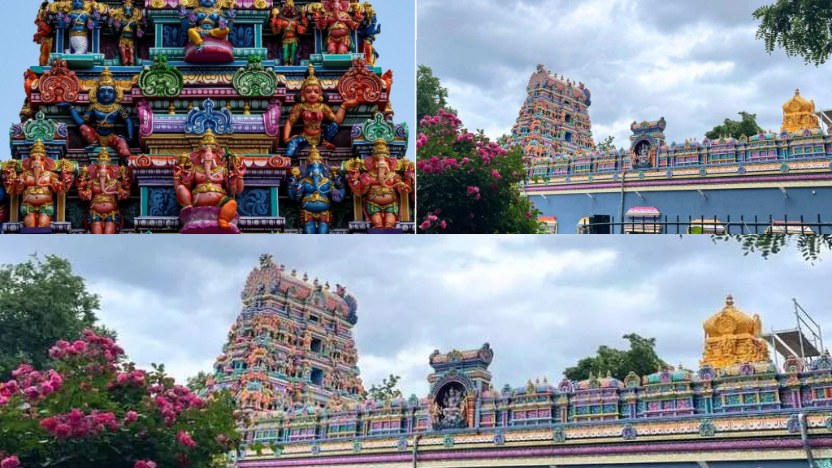
The festivities included devotional music, traditional cultural performances and demonstrations of Mallakhamb, an ancient Indian sport that combines strength, balance and discipline.
Visitors were also served traditional South Indian vegetarian meals, turning the occasion into a vibrant celebration of culture, community and spirituality.
Many attendees described the moment as emotional and deeply meaningful. For newcomers from India, international students, professionals and long-time residents alike, the temple offers a spiritual home away from home.
Others highlighted how the temple also serves as a bridge between cultures, creating opportunities for Germans and people from different backgrounds to learn about Hindu traditions and values.
As devotees gathered beneath the newly consecrated towers, many reflected on the sacrifices and dedication that made the project possible.
What began as a dream shared by a small community has now become a permanent landmark, a place where future generations can pray, celebrate festivals, learn about their heritage and stay connected to their roots.
For Berlin's Hindu community, the opening of Sri Ganesha Temple is not merely the completion of a building.
Source / Image Credit: Organiser.org , hindutempleberlin.de, Historicmilestone , Mid-Day