
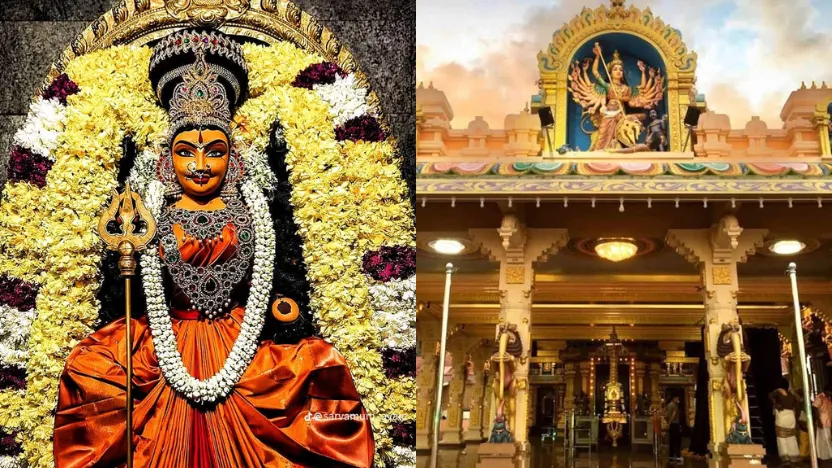
Long before Pangkor Island became a popular tourist destination, it was covered with dense forests and surrounded by the vast sea. Life was far from easy for the small Tamil community who had settled there to work in plantations and earn a living through fishing. With little development and dangerous journeys at sea, every day was filled with uncertainty.
To know more about the temple’s origins, Astro Ulagam contacted the temple’s current chairman, Mr. Dass, who shared interesting insights that helped curate this article.
It was during this time, in 1922, that the story of Sri Pangkor Pathirakaliamman Temple began.
According to the temple's history, a devotee named Mr. Irunappa Nadar received a divine vision in his dream. Goddess Bhadrakali Amman appeared before him and said,
"My son, build a temple for ME by this seashore. From this day onward, MY name shall be heard here. I will protect everyone who ventures into the sea."
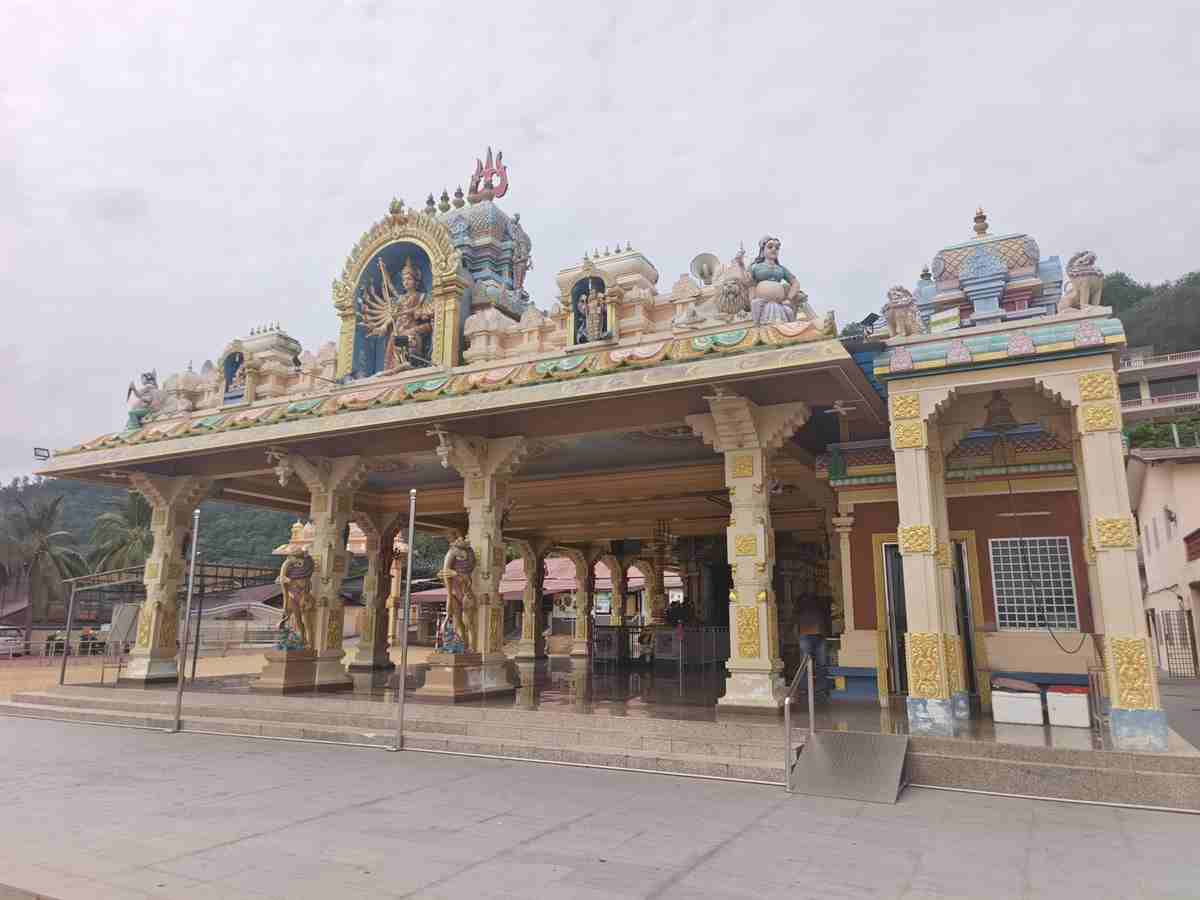
Deeply moved by the vision, he gathered the small Tamil community, and together they built a shrine along the beachfront. A sacred image of Bhadrakali Amman was brought from Tamil Nadu, and the very first poojai was performed.
That simple shrine marked the beginning of a temple that has stood as a symbol of faith for more than a century.
As the years passed, the community around Pangkor Island slowly grew. In 1924, under the leadership of Mr. Sudalaimuthu and Mr. Karthalingam, the temple celebrated its first Kumbabishekam (consecration ceremony).
Temple elders recall that the morning of the ceremony was bright and clear. But as soon as the rituals concluded, rain poured over the village, bringing relief and joy to the people. Many believed it was a sign that Bhadrakali Amman had accepted the temple and blessed the land with Her divine presence.
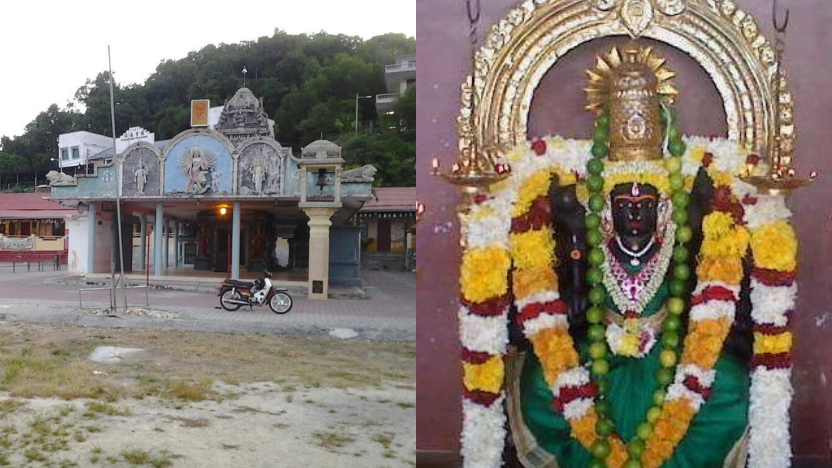
From that day onwards, Friday prayers, monthly poojais and annual festivals became an important part of the temple's spiritual life.
Despite the many challenges that came with the passing decades, the devotion of the community never faded. The temple continued to grow, becoming a place where generations of families gathered to seek the blessings of the Divine Mother.
Speaking about the experiences of devotees, Mr. Dass said many worshippers have returned to share stories of their prayers being answered. Among them were couples who had been married for 10 or 11 years and had long struggled to conceive before finally being blessed with a child. Others shared that they found stable employment after years of difficulty, while some believed they had recovered from illnesses that had not improved despite medical treatment.
According to him, the temple’s divine extends beyond the Indian community, with many Chinese devotees also visiting the temple to offer prayers and return later to fulfil their vows after receiving what they believe to be the Goddess’s blessings.
One of the temple's most significant celebrations is the annual Masi Magam festival.
According to tradition, the Tamil month of Masi is especially sacred to Bhadrakali Amman, and devotees believe it commemorates the Goddess's divine manifestation. Every year, thousands of devotees from across Malaysia, India, Singapore and other countries make their way to Pangkor Island to take part in the grand celebration.
The three-day festival is filled with vibrant spiritual rituals including sea prayers, carrying fire pots (Thee Chatti), Kavadi, Karagam performances and Annadhanam (free community meals).
Many devotees fulfil their vows by undertaking acts of devotion such as carrying Kavadi, balancing Karagam, piercing rituals and carrying fire pots, believing that the Goddess personally blesses those who surrender themselves with faith.
The temple is equally powerful during the month of Aadi, which is considered one of the most auspicious months for the worship of Amman.
Special prayers are conducted every Friday throughout the month. Women offer turmeric, kumkumam and bangles to the Goddess while praying for the well-being of their families. Traditional offerings such as Kool (porridge) and various fulfilments of vows are also observed with deep devotion.
What began as a small shrine built by a handful of devotees beside the sea has today become one of Pangkor Island's most cherished spiritual landmarks.
For many, Sri Pathirakaliamman Pangkor Temple is more than just a place of worship. It stands as a living symbol of the faith, resilience and unity of the early Tamil settlers and fishing communities who believed that the Divine Mother would always protect them.
More than a hundred years later, devotees continue to believe that the promise made by Bhadrakali Amman in 1922 still echoes through the temple grounds:
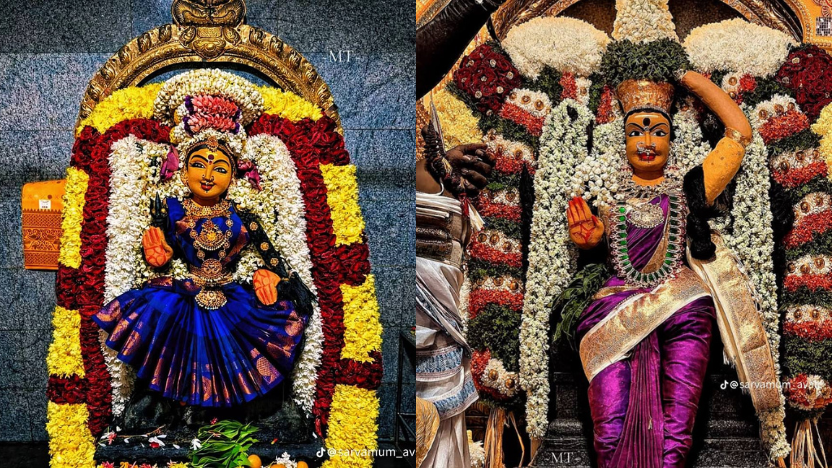
"I am here. I will never abandon you."
Image Credit : மகமாயி துணை
You may be interested in

Indian Wedding Forehead Netti Pattam & Hand Wrist Pattam Gold Plated Traditional Bridal Ceremony Set
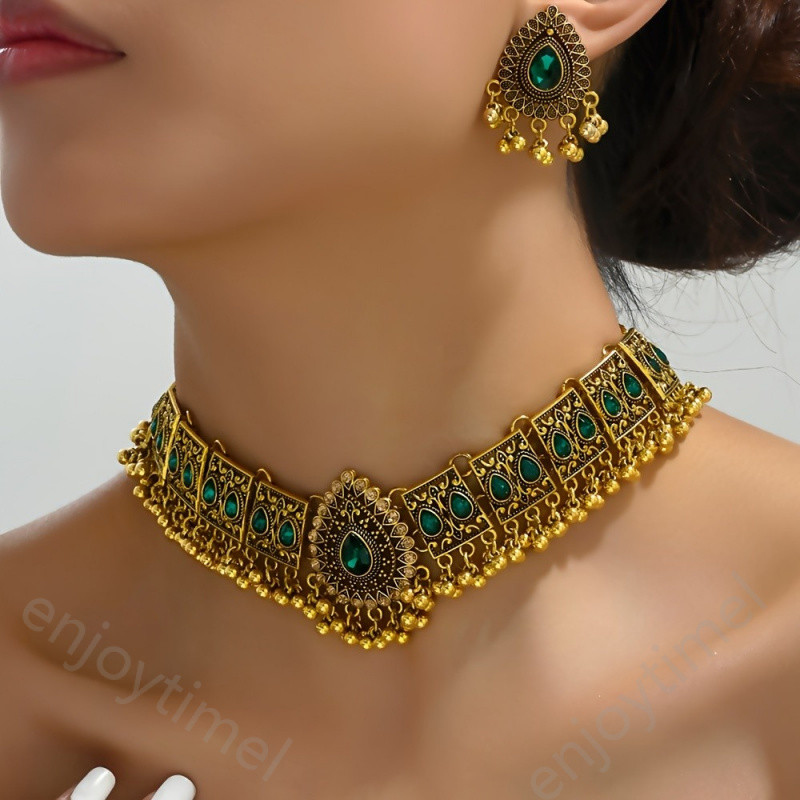
Bollywood Style 1 Pair Of Earrings + 1 Necklace Vintage Jewelry Set Retro Design Inlaid Gemstone Match Daily Outfits Party Accessories
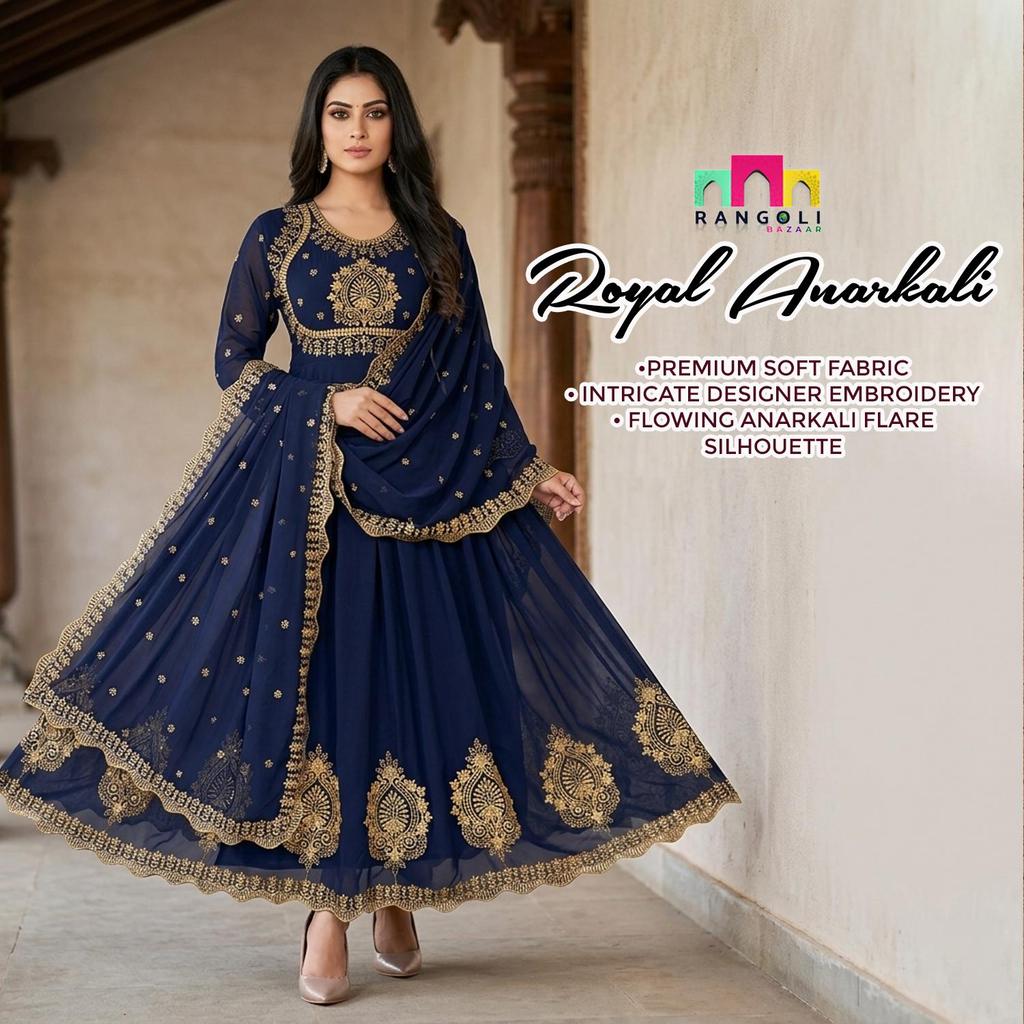
Royal Heritage Embroidered Anarkali Gown for Women | Premium Festive Wear by RANGOLI BAZAAR
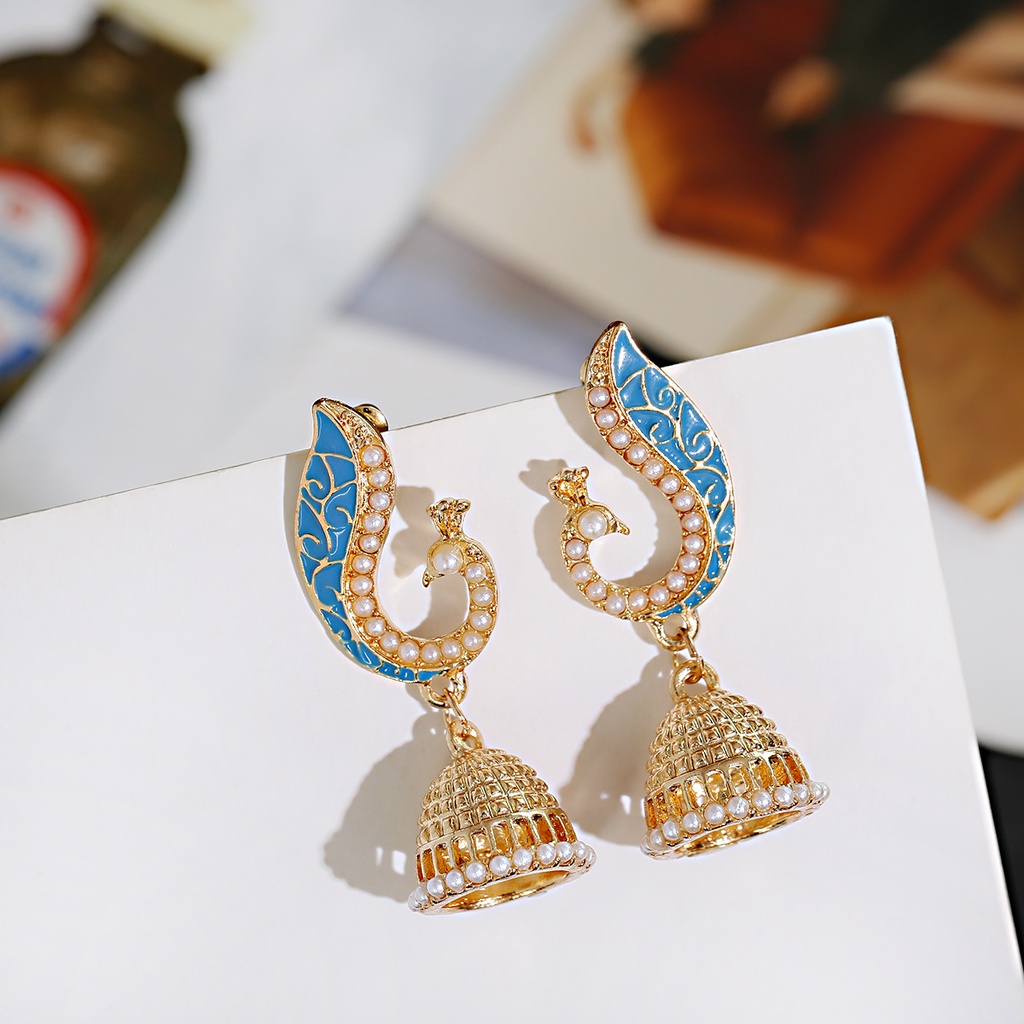
Ethnic Retro Corful Peacock Jhumka Earrings Womens Indian Jewelry Flower Gold Bell Tassel White Pearl Earrings