


Sri Anantha Vel Murugan Alayam in Jinjang, where every corner resonates with the essence of Indian temple traditions.
Guided by this belief, the foundation of this sacred temple was laid in the 1950s to serve the growing Hindu community in Jinjang. What began as a humble wooden hut gradually evolved into a beautifully designed brick-and-mortar temple, built through the unwavering devotion and collective efforts of Lord Muruga’s devotees.
The present idols enshrined in the temple were sculpted in Madurai, South India, and brought with great reverence. Special consecration rituals were performed, including the sacred ceremony to open the eyes of the deities. Before commissioning the idols, the temple committee sought guidance from a renowned South Indian astrologer. According to him, the temple stands on land that was once a hill, believed to be a resting place where Lord Muruga resided in peace with his divine consorts, Valliamma and Deivanai amma.
It is believed that after his victory over the demon Surapadman at Thiruchendur, Lord Muruga first arrived at Batu Caves before proceeding to this sacred site. Here, he chooses to dwell with his consorts in a state of anantham, or divine peace, blessing the land and its people with harmony and grace.
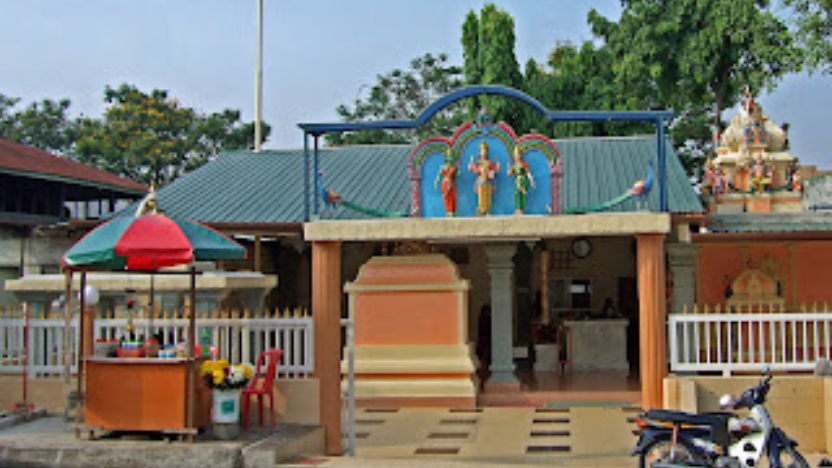
Initially, the temple committee intended to install an idol of Lord Muruga with six faces. However, the astrologer advised against it, explaining that such a form would invoke a fierce and aggressive energy that did not align with the serene nature of the location. To test this, the temple priest placed an image of the six-faced Muruga in the sanctum. Soon after, he encountered repeated obstacles in performing daily poojais. Recognising this as a sign, the image was removed, and tranquility returned to the temple.
Situated within a residential neighbourhood, the temple is often visited by stray animals in search of food. Over time, the milk offerings made to Goddess Nagamman were frequently disturbed, causing distress to the temple priest. In frustration, he once declared that he would no longer offer milk, believing the goddess was not present to receive it. Days later, he discovered a long shed snake skin within the temple grounds. Despite there being no known snakes in the area, the priest understood this as a divine sign from Goddess Nagamman, affirming her presence. From that day onward, the milk offerings continued without hesitation.
Devotees often share that Lord Muruga, seated with Valliamma and Deivanaiamma, radiates a serene and compassionate presence. Many believe that prayers offered here are swiftly answered, for the Lord resides in eternal joy within this peaceful abode.
Source / Image Credit : mysticaltemplesofmalaysia , venalraj1590