


We have come across plenty of Shivan temple around Malaysia and especially KL area but this temple which located at Bangsar is indeed something beautiful with the story of its origin.
Sri Ramalingeswarar Temple – for devotees, the divine presence of Ramalingeswarar is not merely symbolic, but deeply connected with all of us. Many believe that the Lord’s sacred energy gently penetrates the weary layers of the human soul, offering renewal, calmness, and quiet strength to face life’s trials with serenity.
The temple draws its inspiration from the illustrious Ramanathaswamy Temple in Rameswaram, one of the twelve sacred Jyotirlinga shrines of Lord Shiva. Just as Lord Rama is believed to have worshipped Shiva in Rameswaram to absolve the karmic burden of war, the Bangsar Ramalingeswarar Temple has become a spiritual refuge for those seeking inner healing and redemption. Its atmosphere offers solace to the emotionally burdened and mentally fatigued, serving as a sacred space for reflection, prayer, and restoration.
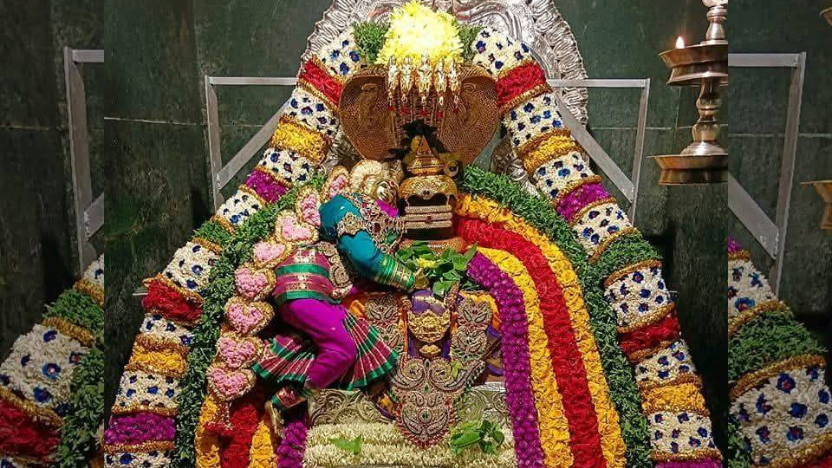
The origins of the temple trace back to 1896, when Indian railway workers employed by Keretapi Tanah Melayu established a modest shrine along Jalan Bangsar. These labourers, who toiled under harsh and dangerous conditions clearing forests and laying railway tracks, sought divine protection before beginning their daily work. In the evenings, after enduring physically exhausting labour, they would gather at the shrine to sing Tamil devotional hymns, chant the Panchakshara mantra, and offer simple prayers to Lord Shiva. Their faith sustained them through hardship, giving them the resilience to return to work each day with renewed courage.
A devoted priest, Ponnusami Gurukkal, cared for the shrine with unwavering dedication. Known for preparing offerings with devotion and love, he considered service to Ramalingeswarar his life’s sacred duty. When the shrine fell into financial difficulty, he selflessly used his personal retirement savings to clear its debts, preserving the sanctity of the temple. His sacrifice remains a shining testament to devotion rooted in faith rather than recognition.
In 1974, the shrine was relocated to its present site in Bangsar. The construction of the new temple followed the sacred principles of Saiva Agama under the spiritual guidance of Swami Haridoss Giri, a distinguished disciple of Swami Gnananda Giri. Swami Haridoss Giri, widely respected for popularising nama sankeerthanam worldwide, closely supervised the temple’s development. His blessings and guidance ensured that the temple was established according to traditional spiritual architecture and ritual discipline. In 1994, the saint attained jal samadhi in Koteswar, but his spiritual influence continues to resonate within the temple’s sacred walls.
One of the temple’s unique architectural features is the separate shrines for Suriyan (Sun) and Chandran (Moon) positioned at the entrance. According to Saiva philosophy, Surya represents the right eye of Lord Shiva and Chandra the left. Devotees offer prayers on Sundays and Mondays during the respective planetary hours, seeking harmony in family relationships, mental peace, and confidence. The temple’s design beautifully reflects cosmic symbolism intertwined with devotional practice.
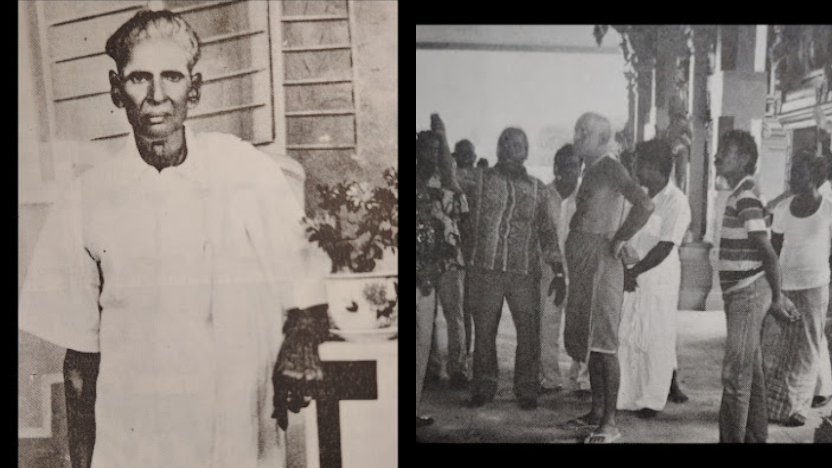
At the entrance stands the Arasamaram Pillayar beneath the sacred peepal tree. Childless couples often circumambulate the tree with deep faith, praying for progeny. Nearby is the shrine of Naga Amman, where devotees seek relief from ancestral or serpent-related afflictions through prayer and ritual offerings.
The temple also houses a powerful shrine for Lord Bhairava, the fierce guardian form of Shiva. Worshippers gather especially on Theipirai Ashtami to light lamps made of pepper or white pumpkin, seeking protection from adversity and unseen obstacles. Devotees share testimonies of answered prayers, attributing healing, protection, and divine intervention to Bhairava’s grace.
Over the decades, countless devotees have narrated experiences that deepen the temple’s spiritual legacy. An elderly woman once journeyed from Ipoh after repeatedly dreaming of a bearded sage who instructed her to worship at the Bangsar Ramalingeswarar Temple in place of visiting Rameswaram in India. Upon arrival, she felt an overwhelming sense of fulfilment, believing her prayers had been divinely guided.
A devoted volunteer who endured personal humiliation and declining health once wept before the temple’s kodimaram, contemplating withdrawal from service. He later recounted encountering a mysterious elderly figure in saffron attire who reassured him softly that all would be well. Renewed in spirit, he continued his service with strengthened faith.
During Navaratri, devotional singing fills the temple with sacred vibrancy. One devotee, distressed by a minor mistake during hymn recitation, dreamt of a divine feminine voice instructing her to continue singing annually as her sacred duty. She awoke revitalised and has since dedicated herself wholeheartedly to devotional music during the festival.
Another devotee praying during a Somavaram puja silently sought blessings for his son’s medical examinations abroad. As he prayed, flowers from the deity fell unexpectedly, which he perceived as a divine affirmation. His son later succeeded with distinction, strengthening the family’s faith in Ramalingeswarar’s grace.
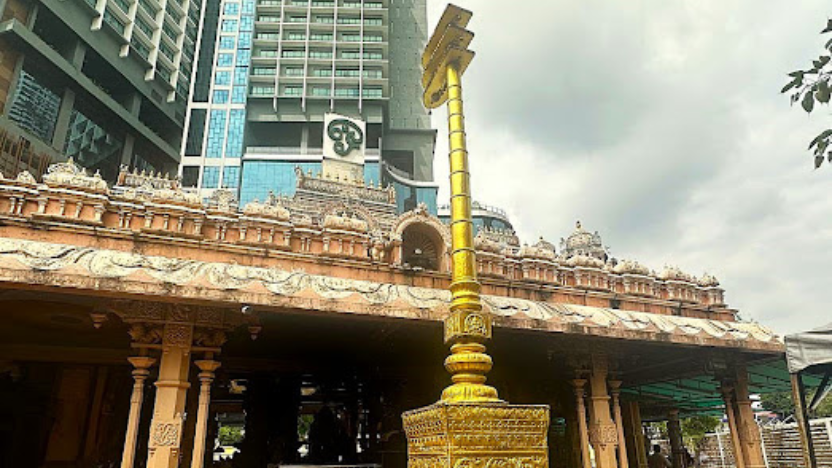
The temple observes Pradosham twice monthly drawing large gatherings of devotees. The presence of bronze statues of the 63 Nayanmars reflects the temple’s strong Saivite heritage. During annual festivals, these saintly figures are taken in procession through Bangsar, accompanied by sacred Thirumurai hymns and traditional musicians, blessing the surrounding community.
Fire rituals such as Ayush Homam, Rudra Homam, and Mritunjaya Homam are conducted regularly, invoking blessings for health, protection, and spiritual liberation. A sacred well located behind the Navagraha shrine provides holy water for daily worship, reminiscent of the famed wells of Ramanathaswamy Temple.
The Sri Ramalingeswarar Temple, built through the sweat of early Indian labourers, preserved by the sacrifice of a devoted priest, and sanctified by the blessings of revered saints, it continues to serve as a beacon of spiritual refuge.
For many, Ramalingeswarar is not distant or abstract. He is the quiet presence felt in moments of despair, the unseen assurance during uncertainty, and the gentle force that restores balance to troubled hearts. In the midst of modern life’s complexities, this temple remains a timeless sanctuary where faith is renewed and souls are uplifted.
Image Credits : Arulmigu Sri Ramalingeswarar Kovil, Bangsar, Kuala Lumpur