

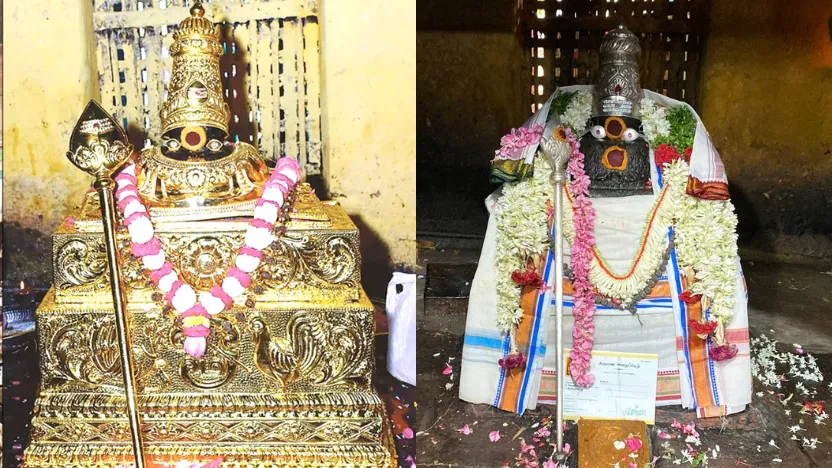
Just two kilometres from Vriddhachalam in Tamil Nadu lies one of the state's most unique and spiritually significant temples, the ancient Kozhinjiyappar Temple in Manavala Nallur.
Believed to be over 3,000 years old, this extraordinary shrine has witnessed centuries of religious transformation, evolving from an ancient place of worship into one of the most revered Murugan temples in the region.
Unlike most Murugan temples, devotees will not find a majestic idol of the deity inside the sanctum. Instead, Lord Murugan is worshipped in the form of a sacred stone, making this temple one of the most unusual places of worship in Tamil Nadu.
According to historians and local traditions, the sacred site has served as a place of worship since the Middle Stone Age.
It later became a centre for Buddhist worship between the 3rd and 4th centuries before gradually evolving into a Shaivite shrine after Buddhism declined in South India.
Despite these transformations over the centuries, devotees believe that the divine energy of the temple has remained unchanged, blessing generations of worshippers who visit with sincere faith.
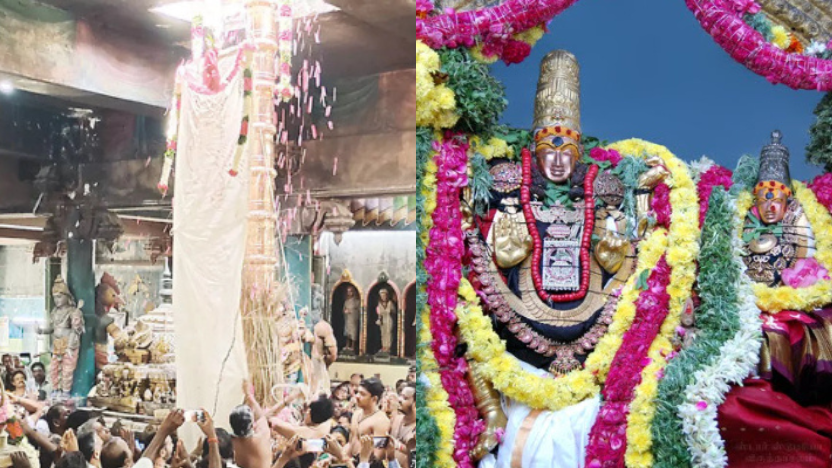
Who is Kozhinjiyappar?
The name "Kozhinjiyappar" is believed to have originated from the Kozhunji plant, a small medicinal herb that blooms with delicate pink flowers during the rainy season.
Ancient sages are believed to have cultivated this herb extensively for its healing properties. Local tradition says that Lord Murugan manifested as a Swayambhu (self-manifested deity) in an area where Kozhunji plants grew abundantly, eventually becoming known as Kozhinjiyappar.
The mystery of the temple with no Murugan idol
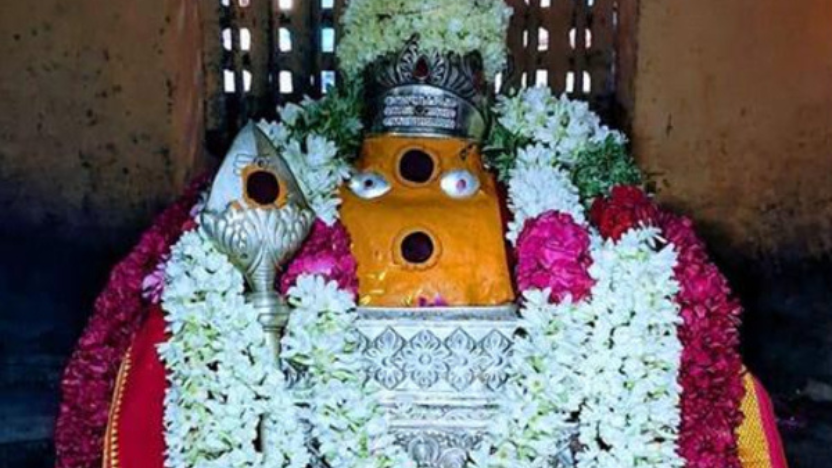
One of the temple's greatest mysteries is that there is no traditional idol of Lord Murugan inside the sanctum. Instead, devotees worship a three-foot-tall sacred stone adorned with a golden crown and silver eyes. Beneath this sacred stone rests, a Sri Chakra engraved with the image of Lord Murugan.
During special rituals, priests place a Vel (Lord Murugan's divine spear) beside the sacred stone before performing abhishekam, symbolising the Lord's divine presence. According to local belief, villagers discovered the sacred stone after repeatedly noticing a cow mysteriously pouring milk over the same spot every day.
Curious, they dug the ground and unearthed the stone, recognising it as a divine manifestation. Since then, it has been worshipped as Kozhinjiyappar. The temple also shares a beautiful connection with Lord Shiva.
According to one popular legend, Sundarar visited the famous Pazhamalainathar Temple in Vriddhachalam but left after offering prayers without singing hymns in praise of Lord Shiva.
Wanting to hear Sundarar's devotional songs, Lord Shiva requested his son, Lord Murugan, to bring the saint back. Murugan disguised himself as a hunter and secretly took Sundarar's belongings.
When Sundarar demanded their return, the mysterious hunter instructed him to return to Thirumudhukundram (Vriddhachalam). Upon returning, Sundarar sang heartfelt hymns in praise of Lord Shiva, after which his belongings were miraculously restored. Another version of the legend says Lord Shiva simply wished to hear more of Sundarar's divine songs, and Murugan lovingly fulfilled his father's request.
One of the temple's most remarkable customs is known as "Pradhu Kattuthal." Devotees facing injustice, family disputes or personal difficulties write their grievances on a piece of paper and submit them before Kozhinjiyappar.
It is believed that the Lord himself delivers justice to the righteous while protecting those who have no one else to turn to. Many devotees believe their prayers are answered within three hours, three days, three weeks or three years, depending on divine will.
Because of this unwavering faith, many worshippers say they first seek justice from Kozhinjiyappar before approaching courts or legal authorities. This centuries-old practice continues to attract devotees from across Tamil Nadu.
Unlike conventional Shaivite temples, Kozhinjiyappar Temple is also home to several guardian deities closely associated with Tamil folk traditions.
Separate shrines can be found for Siddhi Vinayakar, Idumban, Kadamban, Muneeswarar, Veeran and Lord Vinayakar, reflecting the temple's unique blend of folk worship and Agamic traditions.
The temple is also deeply associated with healing. Devotees suffering from illness, insect bites, chronic pain or emotional distress often receive sacred Vibhuti mixed with neem oil after offering prayers.
For generations, people have believed that this sacred combination, together with unwavering faith in Lord Kozhinjiyappar, brings physical healing, mental peace and spiritual strength.
Even today, countless devotees visit the temple seeking relief from life's challenges, believing that no sincere prayer offered here goes unanswered.
Source / Image Credit : alayathuligal , ibcbakthi , x.com