

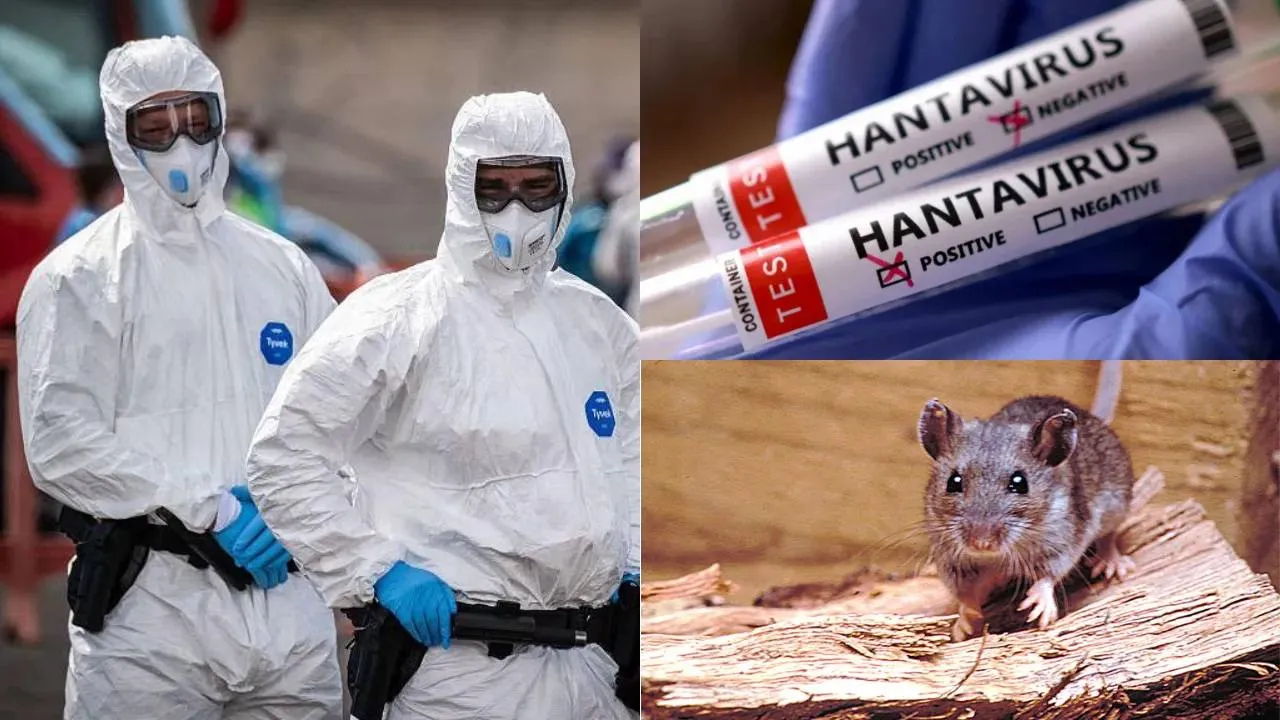
With memories of the Covid-19 pandemic still fresh, reports surrounding the recent Hantavirus cluster linked to the cruise ship MV Hondius have understandably sparked concern among many people worldwide. However, health experts stress that Hantavirus is very different from Covid-19 and is currently not considered a pandemic threat.
What is Hantavirus?
Hantavirus is not a new virus. In fact, it has been studied for decades and is primarily spread by rodents such as rats and mice. Humans can become infected after inhaling airborne particles from dried rodent urine, saliva or droppings.
The virus can cause severe respiratory or kidney-related illnesses in humans, depending on the strain involved.
There are two major syndromes linked to Hantavirus:
- Hantavirus Pulmonary Syndrome (HPS), mostly found in the Americas
- Haemorrhagic Fever with Renal Syndrome (HFRS), commonly found in parts of Europe and Asia
The current concern involves the rare Andes strain (ANDV), which is mainly found in South America. It is currently the only known Hantavirus strain capable of limited person-to-person transmission.
What are the symptoms?
Symptoms usually appear between one to eight weeks after exposure and initially resemble common flu symptoms, including:
- Fever
- Fatigue
- Muscle aches
- Headaches
- Vomiting
In more severe cases, the illness can rapidly progress within several days to:
- Severe shortness of breath
- Persistent cough
- Fluid buildup in the lungs
Health experts warn that early medical attention is important, especially if symptoms worsen rapidly.
The Hantavirus cluster was linked to the MV Hondius cruise ship during a voyage that began in April 2026.
According to reports, Dutch ornithologist Leo Schilperoord, 70, is believed to be the “patient zero” of the outbreak. He had reportedly visited a landfill area near Ushuaia, Argentina, during a birdwatching excursion, where he is believed to have contracted the rare Andes strain.
Schilperoord later died onboard the cruise ship on 11 April. His wife, Mirjam Schilperoord, also became infected and later passed away in Johannesburg on 25 April while attempting to return to the Netherlands.
As of 9 May 2026, authorities have reported:
- Three deaths
- Six confirmed cases
- Two probable cases
Health authorities are currently tracing passengers and close contacts linked to the cruise ship.
Should Malaysia be worried?
At this stage, health experts and international authorities do not believe the outbreak poses the same global threat as Covid-19.
The World Health Organisation (WHO) has stated that the Andes strain spreads only through close and prolonged contact, unlike Covid-19, which spreads easily through casual airborne exposure.
Similarly, the European Centre for Disease Prevention and Control (ECDC) said human-to-human transmission of the Andes strain is limited and usually requires intimate or extended contact in enclosed environments.
For Malaysians, the current risk remains low. There are currently no reported local cases linked to the outbreak, and Hantavirus does not spread as rapidly or easily as Covid-19.
However, experts still advise the public to remain informed and practise proper hygiene, especially when dealing with rodent-infested environments or contaminated spaces.
Is there a treatment?
There is currently no specific antiviral treatment for Hantavirus. However, supportive medical care can significantly improve survival chances when treatment begins early.
Patients with severe symptoms may require:
- Hospitalisation
- Intensive care
- Oxygen or respiratory support
- Hydration and close monitoring
Health experts continue to emphasise that while the outbreak should be monitored carefully, there is currently no evidence suggesting Hantavirus could trigger a worldwide pandemic similar to Covid-19.
Source / Image Credit : The Rakyat Post , Gempak